Some of the riskiest jobs on any site come down to doing a long list of steps in the right order. Isolating equipment before maintenance, starting up a unit after a turnaround, transferring a hazardous chemical and running a permit-to-work task all depend on people getting every step right, including the ones they only perform a few times a year. When one step is missed or done out of sequence, the consequences can be severe.
Why do long procedures break down?
Procedures break down for reasons rooted in how people think and work. It helps to understand them before designing any training.
Memory has limits
Short-term memory holds far less than a long procedure asks of it. A widely cited review of short-term memory capacity by psychologist Nelson Cowan, published in Behavioral and Brain Sciences in 2001, brought together evidence that the capacity limit averages about four chunks of information. A procedure with dozens of steps can't be held in mind at once. People get through it by recognizing where they are and what comes next. Procedure training can build that recognition by teaching the steps in stages.
Lapses happen to skilled people
The UK Health and Safety Executive's guidance on types of human failure classes forgetting to carry out a step in a procedure as a lapse, a type of error that occurs during familiar tasks. HSE is clear that slips and lapses can't be eliminated by training and lists relying on training to tackle them as a common pitfall. Training still matters, but it has to work alongside good procedure design, job aids, supervision and checks that catch a missed step before it causes harm.
Shortcuts creep in
The same HSE guidance describes violations, which include shortcuts and work-arounds, as intentional but usually well-meaning failures to follow a procedure. Steps that seem pointless or awkward are more likely to be skipped. Over time, the way a job is done can drift away from the way it's written, and new starters can learn the drifted version from colleagues. The article on why video-based training reduces procedure deviation looks at this in more detail.
The written procedure doesn't fit the job
For processes covered by OSHA's Process Safety Management standard (29 CFR 1910.119), employers must write operating procedures that give clear instructions for each operating phase, including startup after a turnaround and emergency shutdown, and must certify every year that those procedures are current and accurate. That annual check is a sound habit for any high-risk procedure, covered or not. A procedure written for an auditor, or one that hasn't kept up with equipment changes, is difficult both to train and to follow.
Some tasks are rarely performed
Annual shutdowns, infrequent chemical deliveries, some startups and emergency isolations may come around once or twice a year. Skills that aren't used can fade between occasions, and the person doing the task may be someone who has only done it a handful of times.
Start with the procedure itself
If the written procedure is wrong or out of date, training will teach the wrong method. Before any content is produced, walk the task step by step with the people who perform it, at the equipment if possible. That review can turn up steps that have changed, steps that people do differently across shifts, steps nobody can explain and the reasons behind common shortcuts. Fixing those first means the training teaches the real, current method.
How do you split a long procedure into stages?
Breaking a procedure into stages turns one long list into a few shorter ones that people can learn and check. A practical approach:
Group the steps into stages with a clear start and end, such as preparation, isolation, connection, the main operation, disconnection and close-out.
Explain the purpose of each stage. People are more likely to keep a step they understand the reason for.
Mark the critical steps, where a mistake leads to a release or an injury, and give them extra attention in training and in the written procedure.
Add a check at the end of each stage, so a missed step is caught before the next stage begins.
Teach the stages one at a time, then bring them together into the full sequence.
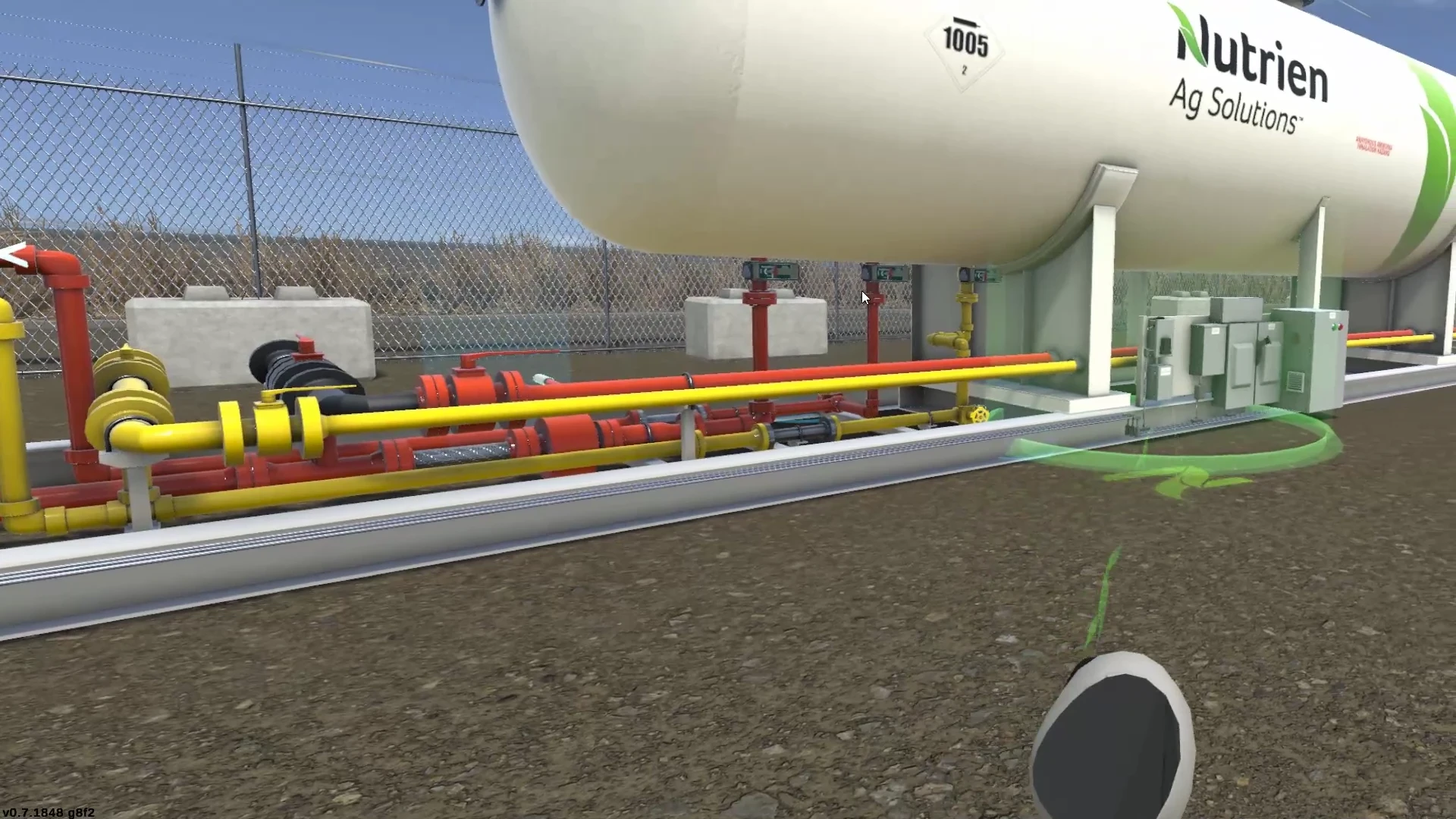
Nutrien's ammonia transfer procedure shows why staging matters. It runs to more than 60 steps, covering the correct PPE, site preparation, connecting equipment, the transfer itself, disconnection and leaving the site. For the Nutrien ammonia transfer training, SHIIFT built a digital twin of the site that users can work through in a VR headset or in a web version with mouse and keyboard controls. Its training mode uses voiced instructions and visual guides, and a separate assessment mode checks whether users can complete the process.

Show the steps visually
Seeing a procedure performed correctly, in the real setting and with the real equipment, gives people a mental model to recall on the job. Close-ups of valves, gauges, hoses and connection points show the detail of each step. Visual walkthroughs also make it easier to show what a mistake looks like and what follows from it.
However the walkthrough is produced, the steps and their numbering should match the written procedure exactly, so people aren't trained on one version and handed another. It also helps to show the stage checks being done, since a check that never appears in training is easy to treat as optional on the job.

{caption}Still taken from Nutrien's ammonia transfer training
Put job aids at the point of work
Because lapses can't be trained out, a long procedure needs support at the workplace as well. A procedure doesn't have to live only in a binder. Useful job aids include:
checklists that are completed during the task, with sign-off for critical steps;
laminated stage cards kept at the equipment;
labels and tags that match the names used in the procedure and the training;
QR codes that open a short clip of a tricky step;
diagrams showing isolation points or line-ups.
Training should teach people how to use these aids, so they become part of the job and aren't seen as something for beginners.
How do you assess competence on a multi-step procedure?
A multiple-choice quiz can test whether someone knows why a step matters. It can't show whether they can perform the full sequence. Good assessment of a complex procedure looks at:
whether every step is completed, with particular attention to critical steps;
whether steps are done in the right order;
whether the person can complete the sequence without prompts;
how they respond when something isn't as expected, such as a gauge reading that's out of range;
whether they use the job aids correctly.
Observed assessment on the job, with a competent assessor, remains the reference point. Digital assessment can add a record of each attempt and let people try the full sequence before they do it for real. SHIIFT's lockout tagout training course, for example, includes a test module in which users have to complete all eight steps of the LOTO procedure the course teaches, without guidance. Our guide to the eight steps of lockout, tagout, tryout (LOTOTO) covers the procedure itself. Digital results can be sent to an LMS through SCORM, or tracked through a simpler web deployment.
Keep skills current with refreshers
A complex procedure learned once won't stay sharp without use. For covered processes, the PSM standard's training requirements call for refresher training at least every three years, and more often if necessary. Refreshers matter most for tasks that are performed rarely, so it makes sense to time them just before a planned shutdown or delivery, when the task is about to come around again. Other triggers for a refresher include:
a change to the procedure or the equipment;
an incident or near miss involving the task;
observations showing that the job is drifting from the written method;
a person returning after a long absence or moving from another site.
Refreshers don't need to repeat the full course. A short walkthrough of the critical steps and the most common errors, followed by an assessment, can be enough. The article on refresher training and why it's necessary covers how to plan them.
Mistakes to avoid in procedure training
Each of these mistakes is avoidable:
Training from the document instead of the job. If nobody has walked the task, the training can faithfully teach a method that no longer matches the equipment.
Giving every step equal weight. A 60-step procedure taught at an even pace buries the handful of steps where a mistake causes a release or an injury.
Relying on memory alone. Training that never mentions the checklist teaches people to work without it.
Assessing with a quiz only. Knowing why a step matters isn't the same as doing the full sequence in order.
Training once and moving on. Skills on infrequent tasks fade, and procedures change after the training was built.
What good procedure training looks like
Use this as a checklist when reviewing training for any long, high-risk procedure:
The written procedure has been walked with the people who do the job and matches the current equipment.
The procedure is split into stages, with the critical steps marked and a check at the end of each stage.
Training, job aids, labels and tags all use the same step names and numbers.
People learn the purpose of each stage along with the steps.
Job aids are used during the task and are part of the training.
Competence is assessed on the full sequence without prompts, and the result is recorded.
Refreshers are timed to when the task comes around again and are triggered by changes, incidents, near misses and drift.
Solutions
Safety Training
Hazard recognition
Spot risks before incidents
/solutions/hazard-recognition-training
Solutions
Safety Training
Life-Saving Rules
Critical rules as decisions
/solutions/life-saving-rules-training
Solutions
Safety Training
Behavioral safety
Stop work authority, used
/solutions/behavioral-safety-training
Solutions
Safety Training
Hand safety
Fewer hand injuries
/solutions/hand-safety-training
Solutions
Safety Training
PPE selection & use
The right kit, worn right
/solutions/ppe-training
Solutions
Safety Training
H2S & gas awareness
The invisible hazard, visible
/solutions/h2s-gas-awareness-training
Solutions
Safety Training
Fire & emergency response
Beyond the routine drill
/solutions/fire-safety-emergency-response-training
Solutions
Safety Training
Toolbox talks
Five strong minutes weekly
/solutions/toolbox-talk-content
Solutions
Safety Training
Permit to work
PTW judgment scenarios
/solutions/permit-to-work-training
Solutions
Safety Training
Isolation & LOTO
Safe energy isolation
/solutions/isolation-lockout-tagout-training
Solutions
Safety Training
Confined space entry
Entries and rescue response
/solutions/confined-space-entry-training
Solutions
Safety Training
Working at height
Falls and dropped objects
/solutions/working-at-height-training
Solutions
Safety Training
Lifting & rigging
Safer critical lifts
/solutions/lifting-rigging-training
Solutions
Safety Training
Hot work
Sparks under control
/solutions/hot-work-training
Solutions
Safety Training
Line of fire
See the energy path
/solutions/line-of-fire-training
Solutions
Safety Training
Driver safety
Safer driving and journeys
/solutions/driver-safety-training
Solutions
Safety Training
Electrical safety
Safe isolation, arc flash aware
/solutions/electrical-safety-training
Solutions
Safety Training
Excavation work
Trenches and buried services
/solutions/excavation-safety-training
Solutions
Safety Training
Ergonomics
Strain prevention that sticks
/solutions/ergonomics-training
Solutions
Safety Training
Situational awareness
Noticing change on site
/solutions/situational-awareness-training
Solutions
Onboarding & People
Site orientation
Inductions before day one
/solutions/site-orientation-onboarding
Solutions
Onboarding & People
Expatriate workforce
Localized multilingual training
/solutions/expatriate-workforce-training
Solutions
Onboarding & People
Visitor inductions
Pre-arrival essentials
/solutions/visitor-induction-training
Solutions
Onboarding & People
Leadership training
Judgment, developed
/solutions/leadership-training
Solutions
Onboarding & People
Soft skills
Conversations that work
/solutions/soft-skills-training
Solutions
Onboarding & People
Safety leadership
Frontline supervisor skills
/solutions/safety-leadership-training
Solutions
Onboarding & People
Human factors
Error traps and defenses
/solutions/human-factors-training
Solutions
Operations & Technical
Process & procedures
Step-by-step competence
/solutions/process-procedure-training
Solutions
Operations & Technical
Operational readiness
Ready before start-up
/solutions/operational-readiness
Solutions
Operations & Technical
Technical training
Complex systems explained
/solutions/technical-training
Solutions
Operations & Technical
Control room & DCS
Alarms and upset response
/solutions/control-room-training
Solutions
Operations & Technical
Crane operation
Operators, banksmen, supervisors
/solutions/crane-operation-training
Solutions
Operations & Technical
Forklift operation
Operators, pedestrians, supervisors
/solutions/forklift-operation-training
Solutions
Operations & Technical
Maintenance & turnarounds
Outage preparation
/solutions/maintenance-turnaround-training
Solutions
Operations & Technical
Process safety
Barriers made visible
/solutions/process-safety-training
Solutions
Compliance & Modernization
Lessons learned (LFI)
Incidents into training
/solutions/lessons-learned-training
Solutions
Compliance & Modernization
Spill response
Environmental first response
/solutions/spill-response-training
Solutions
Compliance & Modernization
Hazardous materials
Storage, handling, transport
/solutions/hazardous-materials-training
Solutions
Compliance & Modernization
Security awareness
Physical and cyber vigilance
/solutions/security-awareness-training
Services
Content Production
Training Videos
Filmed through our global crew network
/services/workplace-safety-training-videos
A safety orientation film produced for Milestone Environmental Services.

Services
Content Production
2D & 3D Animation
Engineering-accurate visuals
/services/2d-3d-animation
From a 3D animation built to supplement an ADNOC e-learning module.

Services
Content Production
Safety Campaigns
Sustained behavior change
/services/safety-campaigns
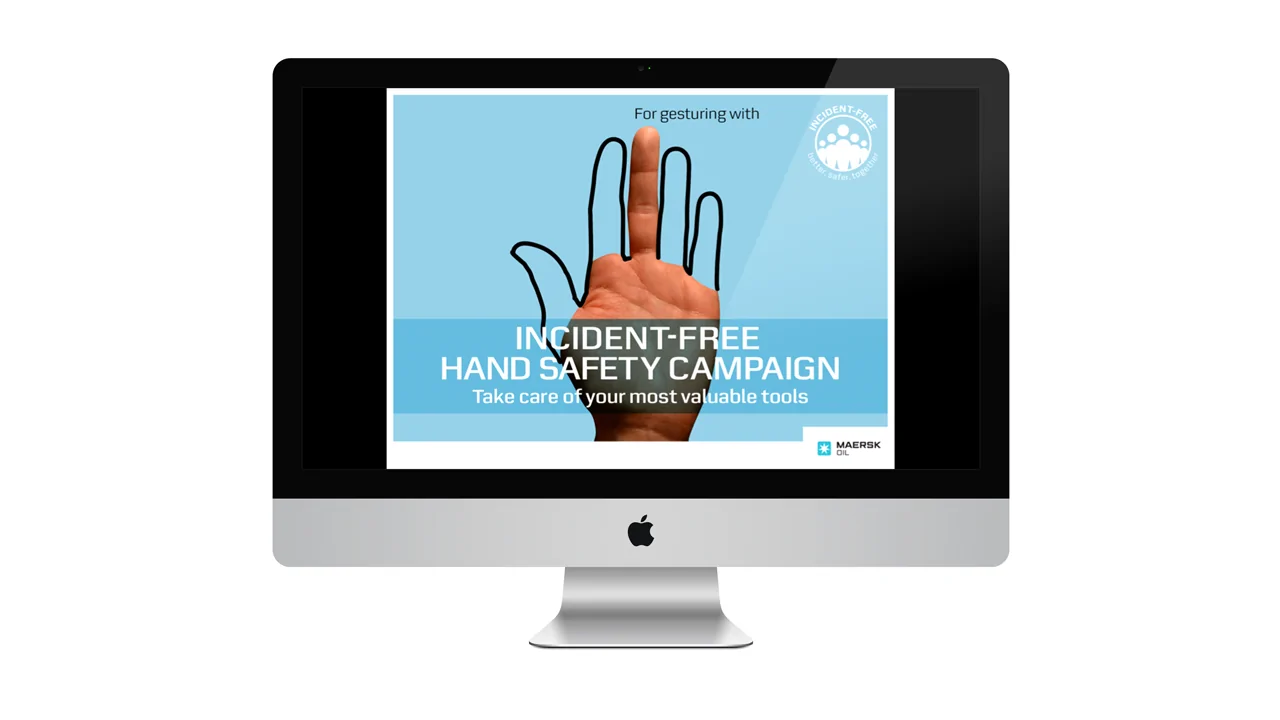
The award-recognized Maersk hand safety campaign.
Services
Content Production
Training posters & print
Site-specific print & visual aids
/services/training-posters
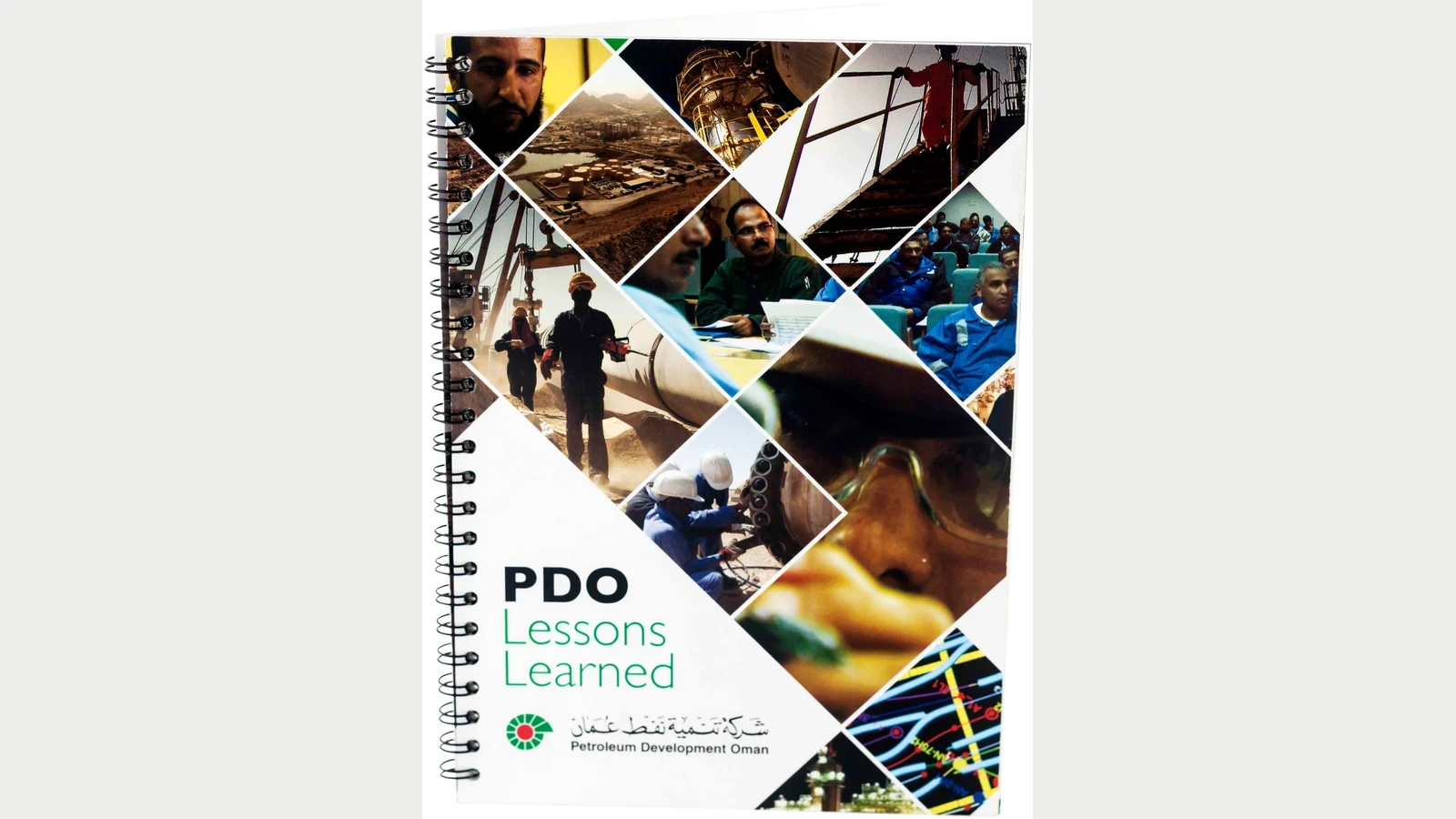
A printed lessons learned handbook produced for Petroleum Development Oman.
Services
Content Production
PowerPoint Materials
Trainer-led deck rebuilds
/services/powerpoint-training-materials
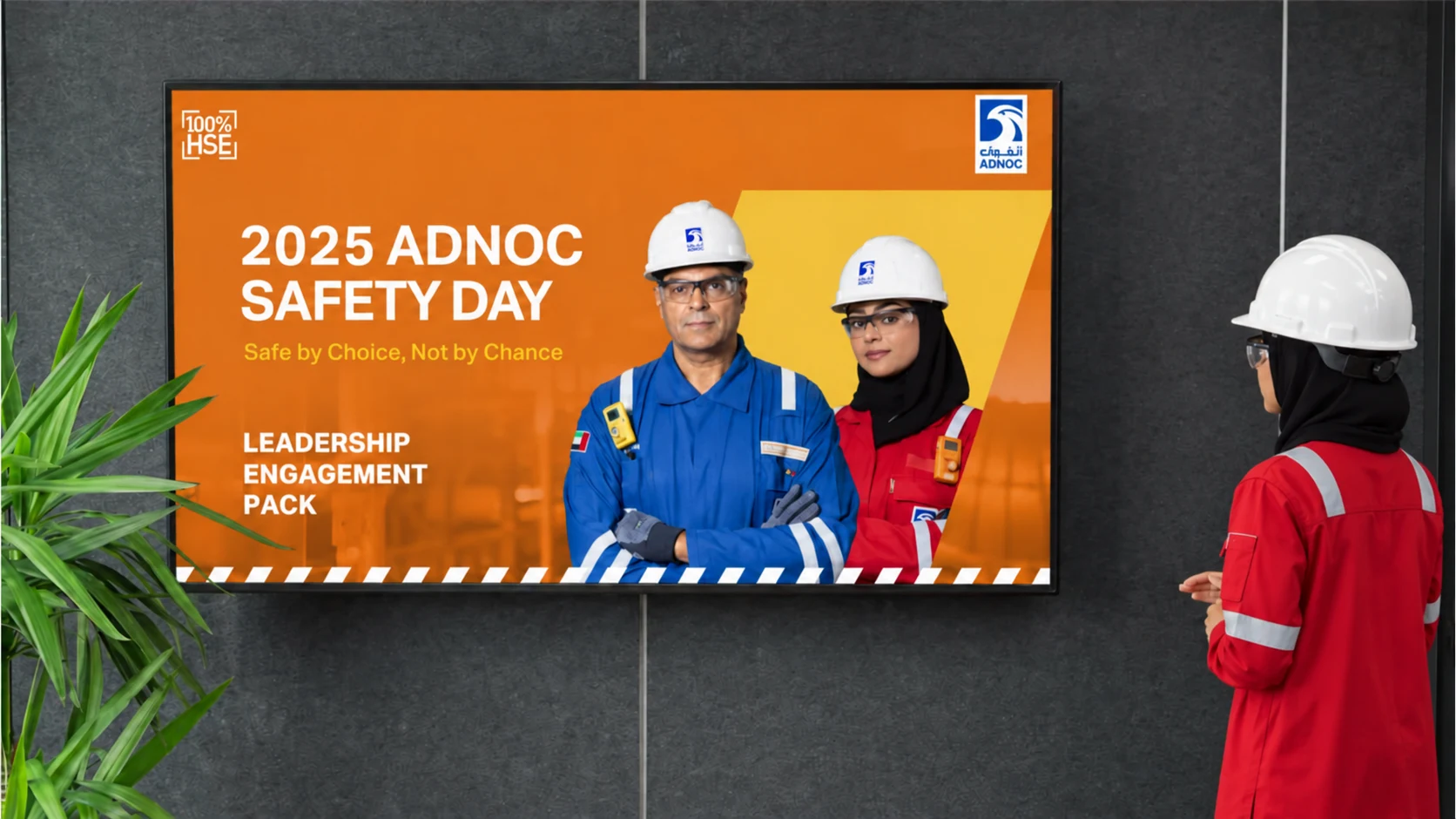
Presenting an ADNOC Safety Day engagement deck.
Services
Interactive Training
E-Learning
SCORM online modules
/services/e-learning
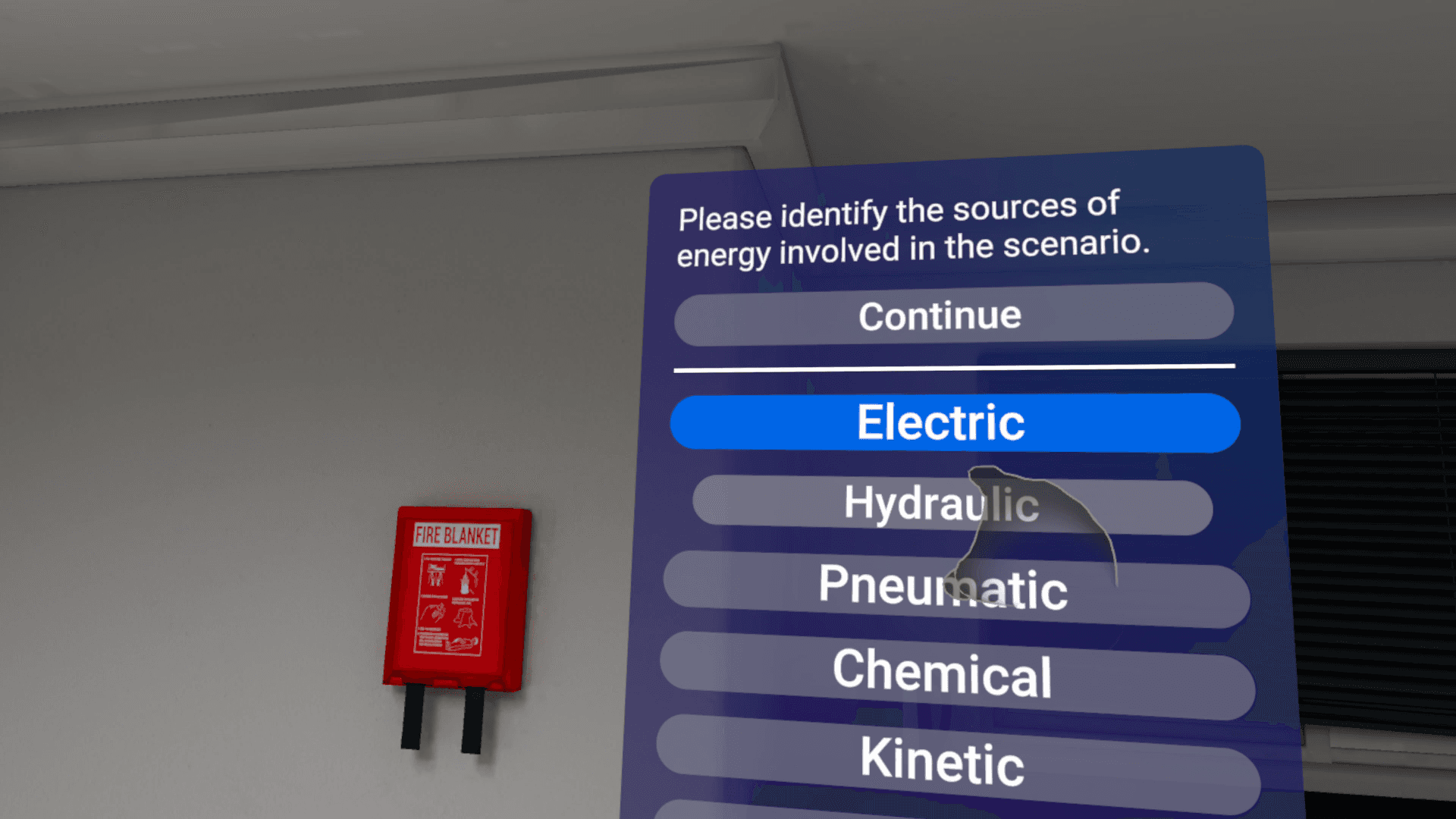
Scenario questions inside a client e-learning module.

Services
Interactive Training
Virtual Reality (VR)
Immersive headset training
/services/virtual-reality-vr-training
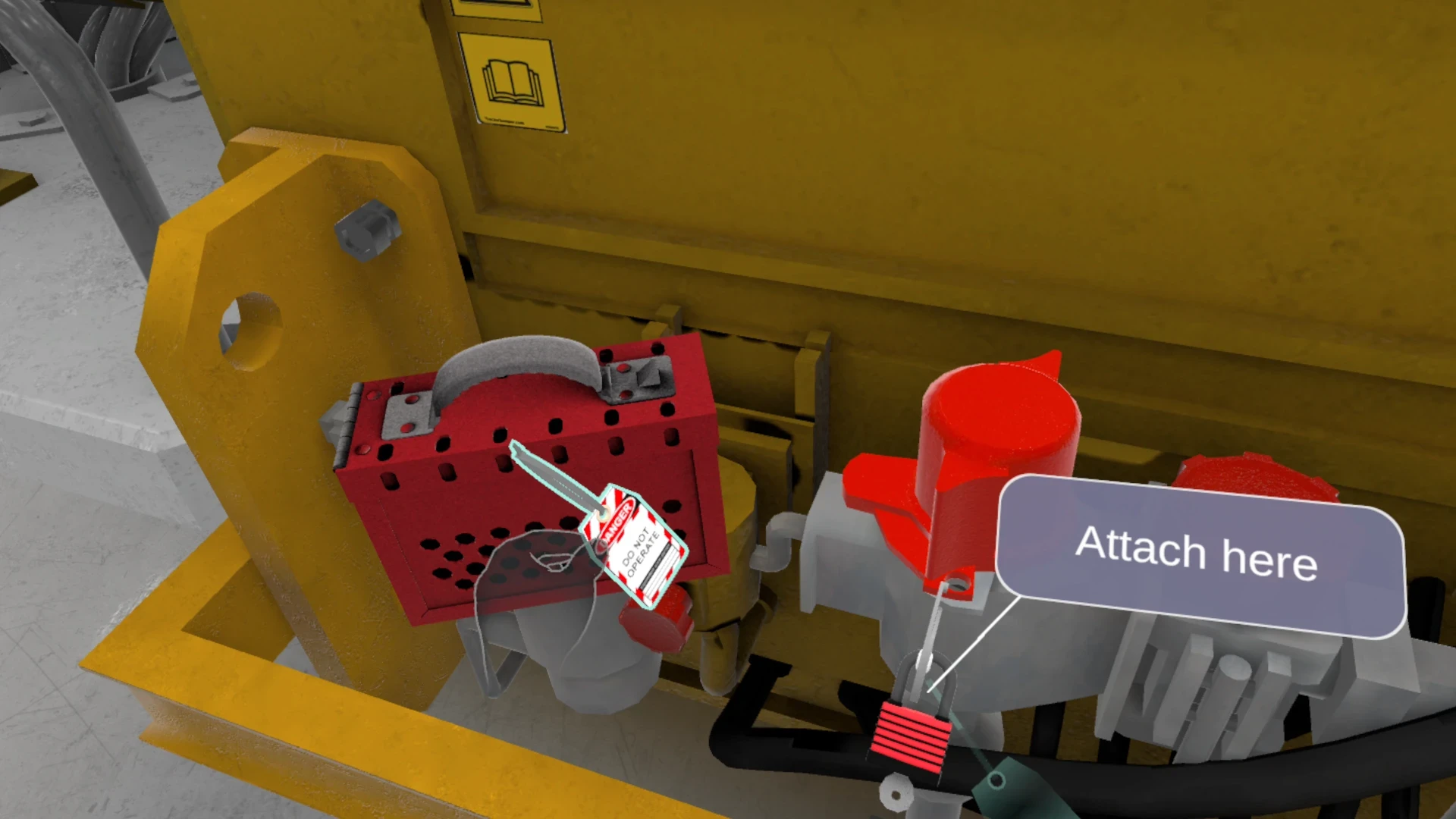
Lockout tagout training with full hand tracking in VR.
Services
Interactive Training
Flat-Screen Simulations
Desktop, web & mobile simulations
/services/flat-screen-simulation-training
SHIIFT simulations running on laptops and mobile devices.

Services
Interactive Training
Digital Twins
Navigable sites & equipment
/services/digital-twins
A navigable 3D replica of Nutrien's ammonia transfer plant.
Approach
How We Work
Our approach
Analysis, design, delivery, validation
/approach
Approach
How We Work
SCORM & LMS Integration
Tracking in your systems
/services/scorm-lms-integration
Approach
How We Work
Scenario-Based Assessments
Competency you can prove
/services/scenario-based-assessments