
Introduction
Safety training doesn’t end once an employee’s finished their initial course. Over time, knowledge fades, habits slip, and procedures can change. That’s where refresher courses become essential. By revisiting key safety practices on a regular basis, organisations make sure workers stay confident, competent, and compliant with industry standards.
Refresher training is focused on reinforcing what’s already been learned, preventing complacency, and cutting the risk of avoidable incidents.
What Is Refresher Training?
Refresher training is structured learning designed to revisit and strengthen previously learned material. In safety contexts, it ensures workers remain competent and compliant, especially where regulations and workplace hazards evolve over time.
What is another word for refresher training
? Other terms often used include retraining, skills reinforcement, continuing education, or competency updates. While the language may differ, the purpose is always the same: keeping knowledge active and reliable.
What Does Refresher Training Do?
Refresher training updates and reinforces the knowledge employees already have, ensuring that safety processes and skills remain sharp. By giving employees the opportunity to brush-up their knowledge on a topic, it helps to prevent complacency and reminds staff of critical procedures, or sometimes even adapts their existing skills to new risks or updated standards.
What’s the difference between regular training and refresher training?
Initial training: Introduces employees to procedures, safety rules, and expectations.
Refresher training: Reinforces existing knowledge, correcting bad habits that may have developed and updating staff on new safety guidance, regulations, or risks.
How to Conduct Refresher Training
The training should be short, targeted, and practical.
Effective approaches include:
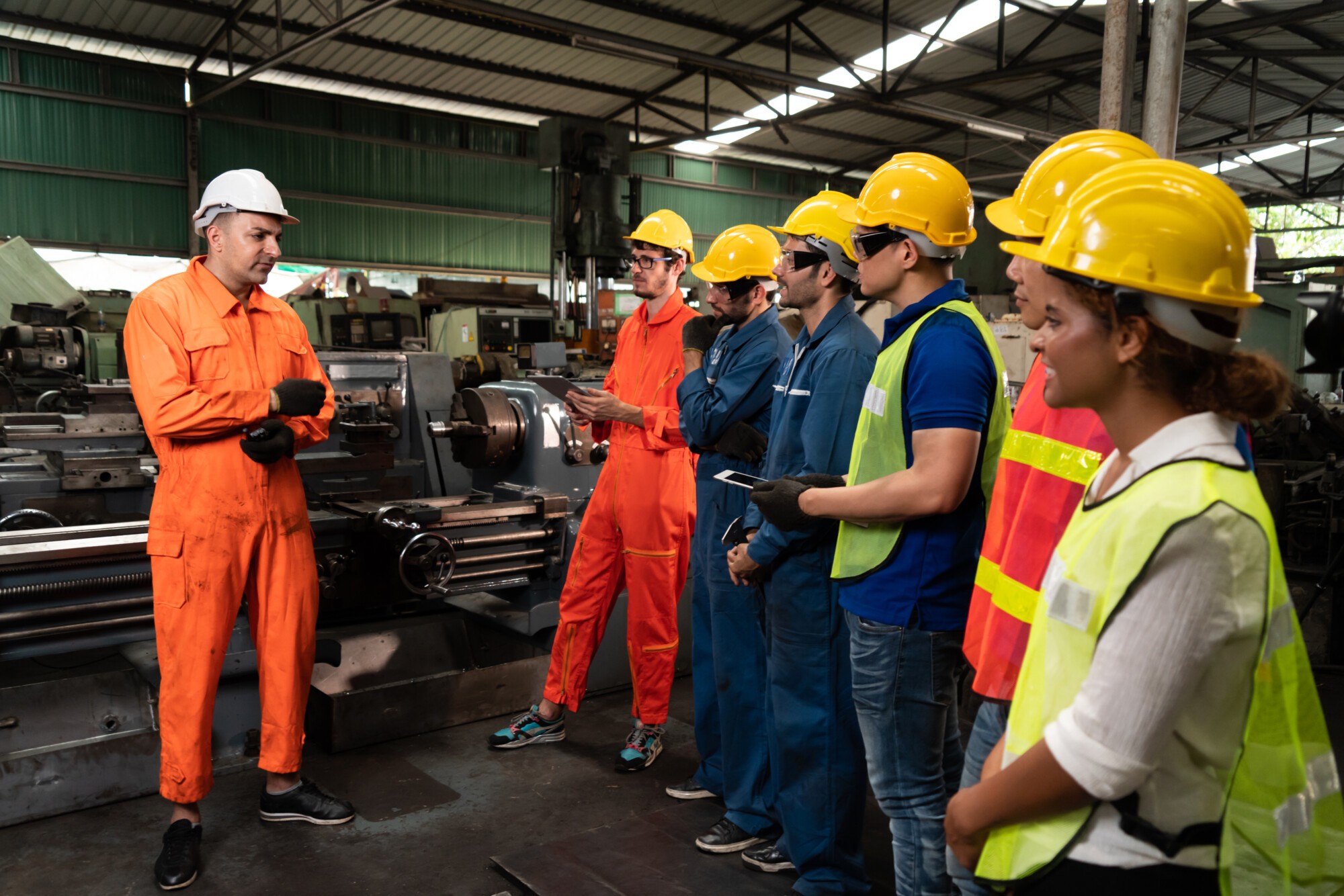
Toolbox talks and safety briefings.
Scenario-based exercises or drills.
Short courses focused on high-risk activities.
Interactive quizzes or group discussions to test retention.
Focus on real incidents and lessons learned.
Tailor sessions by role, ensuring relevance for day-to-day tasks.
Most crucially, always understand the importance of longer annual or bi-annual courses where all relevant employees are required to complete the training with formal assessments and performance tracking.
Methods of Refresher Training Delivery
For organised refresher training courses, it’s important to schedule training at a set frequency based on compliance requirements or when learning from past accidents.
eLearning
eLearning is a digital method of delivering training content through online platforms, often accessible from any device. When integrated into a Learning Management System (LMS), eLearning becomes a structured and trackable solution for refresher training.
Employers can set clear requirements, such as mandating employees to complete specific safety modules annually or every six months. Progress and completion rates can be monitored automatically, ensuring accountability. This approach is especially effective for reinforcing general safety knowledge, policies, and compliance standards while also reducing administrative workload.
Video-Based Training
Video-based training remains one of the most accessible and effective ways to deliver refresher content. Companies can organize group safety sessions where employees watch a short safety video together, followed by a guided discussion to reinforce key lessons. This group format not only refreshes knowledge but also encourages employees to share their own experiences and insights, making the session more interactive. The discussion element ensures that employees are not just passively consuming information but actively thinking about how it applies to their work environment and daily responsibilities.
Alternative Methods: Simulations
An alternative to traditional delivery is the use of simulations, whether through VR using true hands-on practical learning, or via mouse-and-keyboard controlled PC-based simulation training.
Simulations are particularly valuable for refresher training in high-risk or process-driven tasks because they go beyond passive learning. Instead of simply recalling information, employees must actively perform the correct actions in a realistic environment.
For example, rather than answering quiz questions about a procedure, workers must physically follow the process step by step, with mistakes clearly highlighted. This immersive, hands-on approach ensures that recurrent training tests actual competency rather than just theoretical understanding.
How Often to Conduct Refresher Training
The frequency needed for refresher training depends on:
Past incident rates: If workplace accidents or near-misses rise, training may need to be repeated more often.
Regulatory requirements: Many HSE standards mandate refresher intervals (e.g., annually or bi-annually).
Risk environment: High-risk industries like construction, energy, or manufacturing may require shorter intervals.
A best practice is to plan based on both requirement frequency (e.g., every 12 months) and reactive needs (after new risks, equipment changes, or recorded safety issues).
Benefits of Regular Refresher Training
Reduces accidents through strengthened awareness of hazards.
Improves compliance with health, safety, and regulatory requirements.
Reinforces a strong safety-first workplace culture.
Refreshes employee confidence in handling emergency procedures.
Prevents skills fade and addresses forgotten or outdated practices.
Increased productivity by reducing downtime caused by accidents or mistakes.
So Why is Refresher Training Necessary?
So we’ve answered “What is refresher training?” and explored all the reasons it exists and the benefits it serves, but why is it training actually necessary for workplace safety?
Let’s start by imagining a classic scenario that typically happens without regular training, following the story of ‘Bob’.
“Bob had been working at a manufacturing facility for over a year and hadn’t received a refresher on critical safety procedures. During routine maintenance on a piece of heavy equipment, he skipped an essential lockout step. As he was performing his task, he reached his hand into a crevice of the machine to physically examine a section of it and begin maintenance
. As he reached his hand in the crevice, the machine started again, vibrating and moving parts in the crevice completely crushed Bob’s hand resulting in a severe hand injury. His coworkers were shocked, operations were immediately halted, and a full investigation was launched. This incident could have been prevented if some form of retraining had reinforced the proper safety steps
.” Video of Bob’s experience From this example we can clearly see the situation that has massive consequences that could be avoided with regular retraining. Here are all the points of why refresher training is necessary.
Knowledge naturally decays over time
Bob forgot a critical safety step because his knowledge had faded since his initial training.
Even experienced employees can make dangerous mistakes if their memory of procedures isn’t reinforced.
Prevents complacency
Bob assumed he knew the procedure perfectly and skipped the lockout step.
This overconfidence directly contributed to the accident.
Ensures compliance with current regulations
The accident showed that outdated knowledge can lead to non-compliance with safety standards.
Regular training would have ensured Bob followed the correct steps.
Mitigates risk from human error
Even trained employees like Bob can make mistakes under pressure.
More regular training would have reminded him of the correct sequence of steps.
Responds to changes in equipment, procedures, or hazards
Bob hadn’t accounted for any recent changes in machinery operation because he hadn’t been retrained.
Refresher sessions keep employees aware of updated hazards and procedures.
Reduces incident recurrence
Similar accidents can happen when past lessons aren’t reinforced.
Bob’s accident highlights why refresher training is needed to prevent repetition.
Maintains operational safety standards
The accident disrupted workflow and safety consistency across the team.
Retraining reinforces a standard approach for all employees.
Protects the company from liability
The company faced legal and operational consequences due to the accident.
Training ensures employees follow protocols, reducing risk of penalties.
Ensures preparedness for emergencies
Emergency response was needed to treat Bob, showing the importance of preparedness.
Retraining helps employees know how to respond when incidents occur.
Prevents skill degradation in infrequent tasks
Maintenance tasks like the one Bob was performing are high-risk and low-frequency.
Regular retraining keeps these critical skills current and safe.
So the reason why refresher training is necessary, is we don’t want situations like Bob had in the hypothetical scenario above.
Conclusion
Refresher training’s a critical part of maintaining workplace safety and compliance. It reinforces existing knowledge, keeps employees up to date with changes, and prevents skill decay that can cause costly mistakes or accidents.
Whether it’s done through eLearning, video sessions, or simulations, the goal’s the same: to strengthen safe work habits and keep teams prepared for risks. By scheduling the training based on incident history, regulatory requirements, and workplace needs, organisations can build a culture of continuous safety awareness. Regular reinforcement makes sure safety’s never taken for granted.
Solutions
Safety Training
Hazard recognition
Spot risks before incidents
/solutions/hazard-recognition-training
Solutions
Safety Training
Life-Saving Rules
Critical rules as decisions
/solutions/life-saving-rules-training
Solutions
Safety Training
Behavioral safety
Stop work authority, used
/solutions/behavioral-safety-training
Solutions
Safety Training
Hand safety
Fewer hand injuries
/solutions/hand-safety-training
Solutions
Safety Training
PPE selection & use
The right kit, worn right
/solutions/ppe-training
Solutions
Safety Training
H2S & gas awareness
The invisible hazard, visible
/solutions/h2s-gas-awareness-training
Solutions
Safety Training
Fire & emergency response
Beyond the routine drill
/solutions/fire-safety-emergency-response-training
Solutions
Safety Training
Toolbox talks
Five strong minutes weekly
/solutions/toolbox-talk-content
Solutions
Safety Training
Permit to work
PTW judgment scenarios
/solutions/permit-to-work-training
Solutions
Safety Training
Isolation & LOTO
Safe energy isolation
/solutions/isolation-lockout-tagout-training
Solutions
Safety Training
Confined space entry
Entries and rescue response
/solutions/confined-space-entry-training
Solutions
Safety Training
Working at height
Falls and dropped objects
/solutions/working-at-height-training
Solutions
Safety Training
Lifting & rigging
Safer critical lifts
/solutions/lifting-rigging-training
Solutions
Safety Training
Hot work
Sparks under control
/solutions/hot-work-training
Solutions
Safety Training
Line of fire
See the energy path
/solutions/line-of-fire-training
Solutions
Safety Training
Driver safety
Safer driving and journeys
/solutions/driver-safety-training
Solutions
Safety Training
Electrical safety
Safe isolation, arc flash aware
/solutions/electrical-safety-training
Solutions
Safety Training
Excavation work
Trenches and buried services
/solutions/excavation-safety-training
Solutions
Safety Training
Ergonomics
Strain prevention that sticks
/solutions/ergonomics-training
Solutions
Safety Training
Situational awareness
Noticing change on site
/solutions/situational-awareness-training
Solutions
Onboarding & People
Site orientation
Inductions before day one
/solutions/site-orientation-onboarding
Solutions
Onboarding & People
Expatriate workforce
Localized multilingual training
/solutions/expatriate-workforce-training
Solutions
Onboarding & People
Visitor inductions
Pre-arrival essentials
/solutions/visitor-induction-training
Solutions
Onboarding & People
Leadership training
Judgment, developed
/solutions/leadership-training
Solutions
Onboarding & People
Soft skills
Conversations that work
/solutions/soft-skills-training
Solutions
Onboarding & People
Safety leadership
Frontline supervisor skills
/solutions/safety-leadership-training
Solutions
Onboarding & People
Human factors
Error traps and defenses
/solutions/human-factors-training
Solutions
Operations & Technical
Process & procedures
Step-by-step competence
/solutions/process-procedure-training
Solutions
Operations & Technical
Operational readiness
Ready before start-up
/solutions/operational-readiness
Solutions
Operations & Technical
Technical training
Complex systems explained
/solutions/technical-training
Solutions
Operations & Technical
Control room & DCS
Alarms and upset response
/solutions/control-room-training
Solutions
Operations & Technical
Crane operation
Operators, banksmen, supervisors
/solutions/crane-operation-training
Solutions
Operations & Technical
Forklift operation
Operators, pedestrians, supervisors
/solutions/forklift-operation-training
Solutions
Operations & Technical
Maintenance & turnarounds
Outage preparation
/solutions/maintenance-turnaround-training
Solutions
Operations & Technical
Process safety
Barriers made visible
/solutions/process-safety-training
Solutions
Compliance & Modernization
Lessons learned (LFI)
Incidents into training
/solutions/lessons-learned-training
Solutions
Compliance & Modernization
Spill response
Environmental first response
/solutions/spill-response-training
Solutions
Compliance & Modernization
Hazardous materials
Storage, handling, transport
/solutions/hazardous-materials-training
Solutions
Compliance & Modernization
Security awareness
Physical and cyber vigilance
/solutions/security-awareness-training
Services
Content Production
Training Videos
Filmed through our global crew network
/services/workplace-safety-training-videos
A safety orientation film produced for Milestone Environmental Services.

Services
Content Production
2D & 3D Animation
Engineering-accurate visuals
/services/2d-3d-animation
From a 3D animation built to supplement an ADNOC e-learning module.

Services
Content Production
Safety Campaigns
Sustained behavior change
/services/safety-campaigns
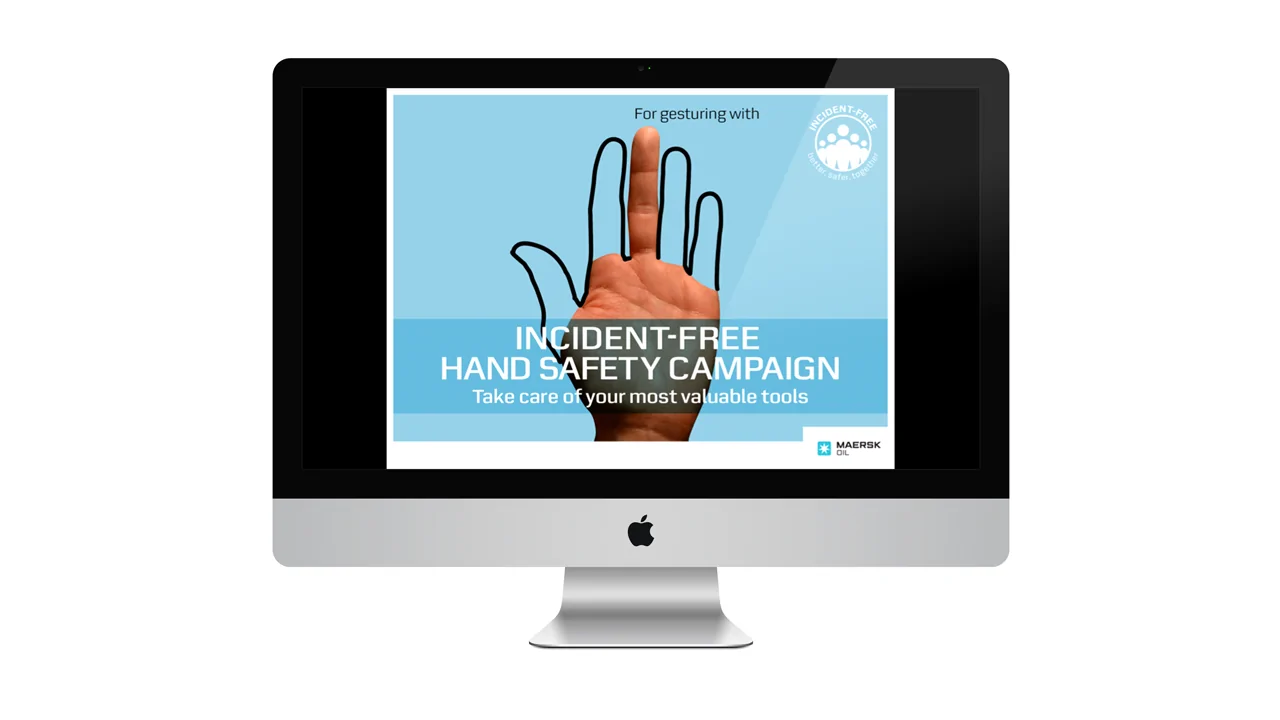
The award-recognized Maersk hand safety campaign.
Services
Content Production
Training posters & print
Site-specific print & visual aids
/services/training-posters
A printed lessons learned handbook produced for Petroleum Development Oman.

Services
Content Production
PowerPoint Materials
Trainer-led deck rebuilds
/services/powerpoint-training-materials
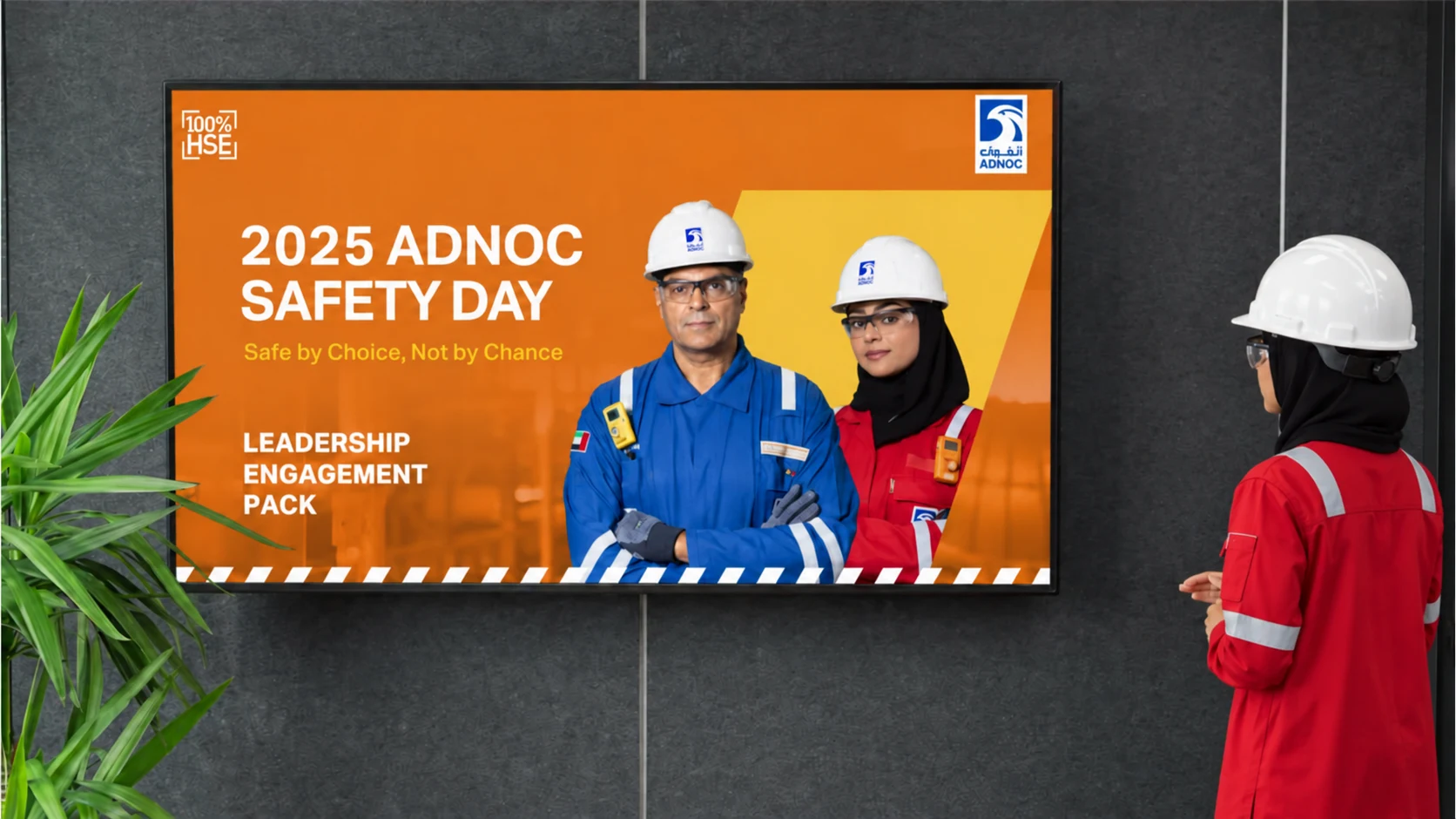
Presenting an ADNOC Safety Day engagement deck.
Services
Interactive Training
E-Learning
SCORM online modules
/services/e-learning
Scenario questions inside a client e-learning module.

Services
Interactive Training
Virtual Reality (VR)
Immersive headset training
/services/virtual-reality-vr-training
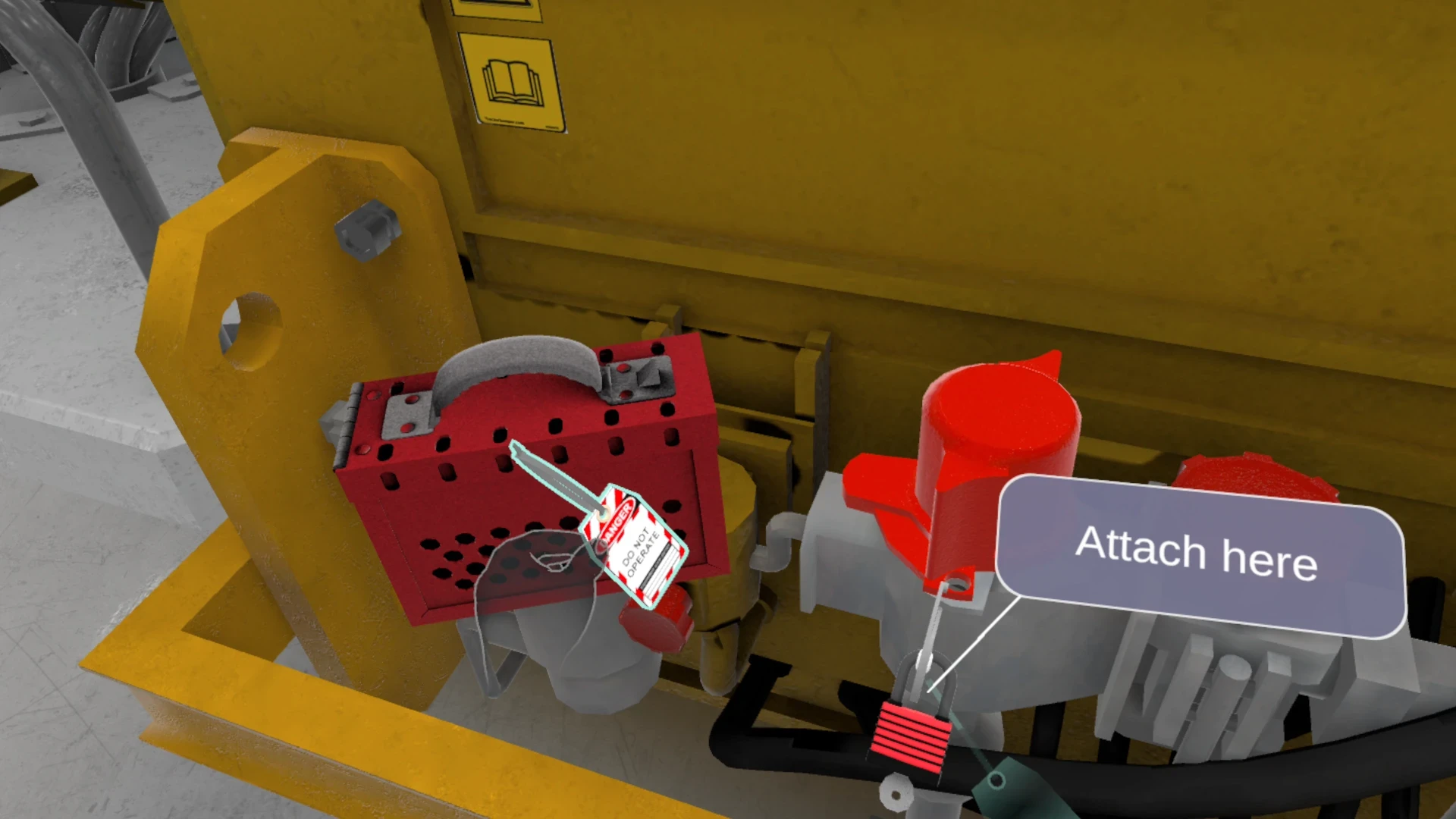
Lockout tagout training with full hand tracking in VR.
Services
Interactive Training
Flat-Screen Simulations
Desktop, web & mobile simulations
/services/flat-screen-simulation-training
SHIIFT simulations running on laptops and mobile devices.

Services
Interactive Training
Digital Twins
Navigable sites & equipment
/services/digital-twins
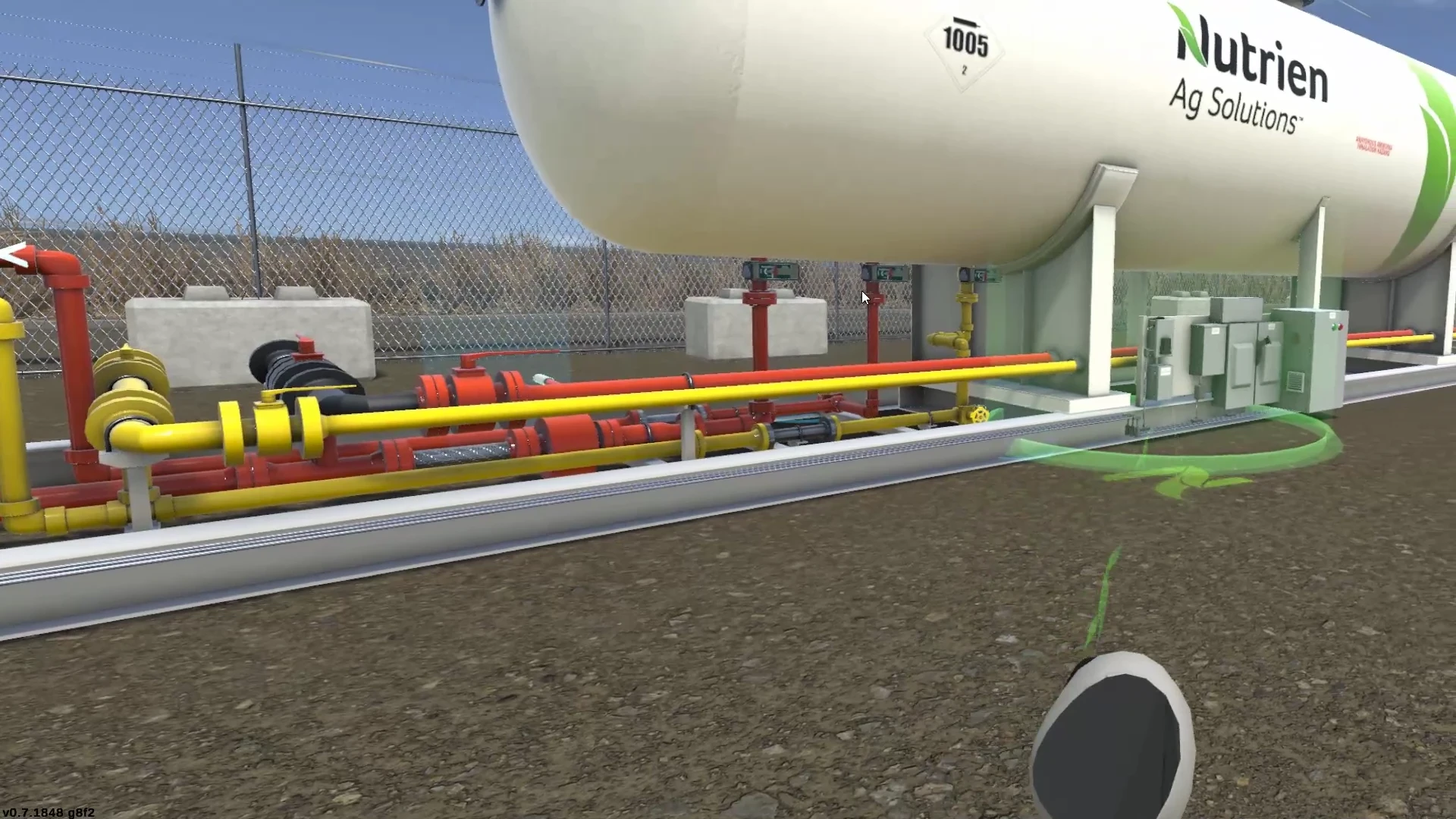
A navigable 3D replica of Nutrien's ammonia transfer plant.
Approach
How We Work
Our approach
Analysis, design, delivery, validation
/approach
Approach
How We Work
SCORM & LMS Integration
Tracking in your systems
/services/scorm-lms-integration
Approach
How We Work
Scenario-Based Assessments
Competency you can prove
/services/scenario-based-assessments