
Safety training only works if workers understand the language and vocabulary it uses. On sites where crews speak many first languages and reading levels vary widely, a gap in understanding can go unnoticed for a long time.
What do regulators expect from multilingual safety training?
In the US, the OSHA training standards policy statement (2010) says employers must instruct employees in a language and vocabulary they can understand, and that where a worker's vocabulary is limited, the training must account for that. The same memo directs compliance officers to verify that training was provided in a format the workers could understand. A signed attendance sheet for a course delivered in a language the worker doesn't speak won't meet that test.
The stakes are visible in US fatality data. According to the BLS Census of Fatal Occupational Injuries for 2024, the fatal work injury rate for Hispanic or Latino workers was 4.3 per 100,000 full-time equivalent workers, against 3.3 for all workers, and 842 of the 1,229 Hispanic or Latino workers who died were foreign-born. The figures don't explain why the rates differ, but they're a reason to check that training reaches every group on site.
Why is literacy a separate problem from language?
Translating a course doesn't help a worker who can't read it comfortably in any language. OSHA's Resource for Development and Delivery of Training to Workers notes that workers may be fluent in a language other than English and may have low literacy in both English and their primary language. Low literacy isn't confined to migrant workers either. NCES results from the 2023 international adult skills survey show 28 percent of US adults scoring at Level 1 or below in literacy, up from 19 percent in 2017.
The OSHA training policy memo states that telling workers to read training materials won't satisfy the training obligation where literacy is limited. OSHA's worker training resource recommends methods that need fewer literacy skills, including photos, pictures, short role-plays, case studies, demonstrations and small group activities.
How do visuals help a multilingual workforce?
A clear image of a correct action can be understood by a worker whatever their first language or reading level. For safety content, that means:
Showing the correct action and the hazard, instead of describing them in on-screen text
Using the same icons and colors throughout a program, so they become familiar
Matching what's on screen to what workers see on site, including PPE, signage, vehicles and equipment
Keeping on-screen text to short labels that are easy to translate
Showing consequences visually, so the reason behind a rule is clear without explanation
Some content can be made with no language at all. A sequence that shows a mistake and its result, then the correct method, can carry a single rule or behavior across every nationality on site. When Al Hosn Gas needed safety films for a workforce of many nationalities, the Al Hosn health and safety animations used no language at all. Each of the six films followed a single character through a hazard, covering topics that included working at heights, confined spaces, excavations and lifting operations, all based on the company's Golden Safety Rules.
Language-free content has limits. A multi-step procedure with decision points and numbers needs words, and that's where voiceover and translation come in. A sound program decides topic by topic which approach fits.
What's the difference between translation and localization?
Translation converts the words. Localization adapts the whole piece so it makes sense to the people watching it. That can mean changing examples, names, units of measurement, signage shown on screen, gestures and references that don't carry across cultures.
OSHA's guide to developing and delivering worker training warns that simply translating English safety and health materials into another language isn't necessarily adequate for the target population to understand them. It recommends testing translated materials with a focus group drawn from the target population and using a translator with trusted credentials. It also advises against using one worker as a translator for the others. Some practical additions:
Write the source script in short, plain sentences before anything is translated
Build a glossary of site terms and agree on how each one is translated
Have a native speaker who knows the work review each version
Plan screen layouts with room for languages that run longer or read right to left
Keep every language version under the same version control, so updates reach all of them
Should you use voiceover or subtitles?
Subtitles are faster and cheaper to add, and they let one video serve several languages. They also depend on reading speed and literacy, and they pull the viewer's eyes away from the action. Voiceover in the worker's language removes the reading barrier and keeps attention on the picture, at a higher cost for each language. A program can use both, with voiceover in the main languages on site and subtitles for smaller groups.
When Nass Corporation in Bahrain needed one HSE induction for a construction workforce of many nationalities, the Nass Corporation HSE induction was made in five languages (English, Arabic, Hindi, Urdu and Bengali), each with professional voiceover, so every worker received the same message in their own language. The article on custom induction videos covers how inductions like this are planned.
How do you make training culturally relevant?
OSHA's worker training resource asks trainers to check whether learning activities are sensitive to cultural differences among participants. On screen, characters should look like the workforce and wear the same PPE in settings that resemble the real site. Humor and idioms can fail in translation and are best left out.
Hierarchy matters too. A rule that workers should stop the job and challenge a supervisor can land differently in different workplace cultures, and training may need to show it happening, with a supervisor responding well, before workers believe it's expected. Senior leaders endorsing the rule on screen can help.
How do you check comprehension across languages?
The OSHA training policy memo tells compliance officers to look past paperwork and check whether workers could understand the training. Employers can apply the same test to themselves:
Give assessments in the same language as the training, with voiceover where literacy is a concern
Use image-based questions, such as picking the correct action from several pictures
Avoid trick wording and double negatives, which fail in translation
Compare results by language group, since a low score in one language can point to a weak translation
Ask workers to explain or demonstrate the procedure in their own words
Follow up with observation on the job
What do multilingual programs get wrong?
A completed training record can hide the following mistakes:
Translating a text-heavy course word for word and treating the job as done, when literacy was the bigger barrier
Asking a bilingual worker to interpret for the group, which OSHA's worker training guidance advises against
Translating the training but leaving the assessment in English
Updating the English version after a procedure change and letting the other languages fall behind
Reading a high pass rate as proof of understanding without comparing results by language group
The articles on instructional design and designing safety training for engagement cover the wider design process and holding attention once the language barrier is solved.
Questions to settle before you start
A profile of the workforce shapes every later decision, including script length and which languages get voiceover. Before production begins, settle these:
Which languages are spoken on site, and how many workers speak each one?
What reading levels are you working with, in English and in each first language?
Which topics can be taught without words, and which need voiceover or text?
Who will review each language version, and who will test it with a focus group from the workforce?
How will assessments work for workers with low literacy?
How will updates reach every language version at the same time?
Solutions
Safety Training
Hazard recognition
Spot risks before incidents
/solutions/hazard-recognition-training
Solutions
Safety Training
Life-Saving Rules
Critical rules as decisions
/solutions/life-saving-rules-training
Solutions
Safety Training
Behavioral safety
Stop work authority, used
/solutions/behavioral-safety-training
Solutions
Safety Training
Hand safety
Fewer hand injuries
/solutions/hand-safety-training
Solutions
Safety Training
PPE selection & use
The right kit, worn right
/solutions/ppe-training
Solutions
Safety Training
H2S & gas awareness
The invisible hazard, visible
/solutions/h2s-gas-awareness-training
Solutions
Safety Training
Fire & emergency response
Beyond the routine drill
/solutions/fire-safety-emergency-response-training
Solutions
Safety Training
Toolbox talks
Five strong minutes weekly
/solutions/toolbox-talk-content
Solutions
Safety Training
Permit to work
PTW judgment scenarios
/solutions/permit-to-work-training
Solutions
Safety Training
Isolation & LOTO
Safe energy isolation
/solutions/isolation-lockout-tagout-training
Solutions
Safety Training
Confined space entry
Entries and rescue response
/solutions/confined-space-entry-training
Solutions
Safety Training
Working at height
Falls and dropped objects
/solutions/working-at-height-training
Solutions
Safety Training
Lifting & rigging
Safer critical lifts
/solutions/lifting-rigging-training
Solutions
Safety Training
Hot work
Sparks under control
/solutions/hot-work-training
Solutions
Safety Training
Line of fire
See the energy path
/solutions/line-of-fire-training
Solutions
Safety Training
Driver safety
Safer driving and journeys
/solutions/driver-safety-training
Solutions
Safety Training
Electrical safety
Safe isolation, arc flash aware
/solutions/electrical-safety-training
Solutions
Safety Training
Excavation work
Trenches and buried services
/solutions/excavation-safety-training
Solutions
Safety Training
Ergonomics
Strain prevention that sticks
/solutions/ergonomics-training
Solutions
Safety Training
Situational awareness
Noticing change on site
/solutions/situational-awareness-training
Solutions
Onboarding & People
Site orientation
Inductions before day one
/solutions/site-orientation-onboarding
Solutions
Onboarding & People
Expatriate workforce
Localized multilingual training
/solutions/expatriate-workforce-training
Solutions
Onboarding & People
Visitor inductions
Pre-arrival essentials
/solutions/visitor-induction-training
Solutions
Onboarding & People
Leadership training
Judgment, developed
/solutions/leadership-training
Solutions
Onboarding & People
Soft skills
Conversations that work
/solutions/soft-skills-training
Solutions
Onboarding & People
Safety leadership
Frontline supervisor skills
/solutions/safety-leadership-training
Solutions
Onboarding & People
Human factors
Error traps and defenses
/solutions/human-factors-training
Solutions
Operations & Technical
Process & procedures
Step-by-step competence
/solutions/process-procedure-training
Solutions
Operations & Technical
Operational readiness
Ready before start-up
/solutions/operational-readiness
Solutions
Operations & Technical
Technical training
Complex systems explained
/solutions/technical-training
Solutions
Operations & Technical
Control room & DCS
Alarms and upset response
/solutions/control-room-training
Solutions
Operations & Technical
Crane operation
Operators, banksmen, supervisors
/solutions/crane-operation-training
Solutions
Operations & Technical
Forklift operation
Operators, pedestrians, supervisors
/solutions/forklift-operation-training
Solutions
Operations & Technical
Maintenance & turnarounds
Outage preparation
/solutions/maintenance-turnaround-training
Solutions
Operations & Technical
Process safety
Barriers made visible
/solutions/process-safety-training
Solutions
Compliance & Modernization
Lessons learned (LFI)
Incidents into training
/solutions/lessons-learned-training
Solutions
Compliance & Modernization
Spill response
Environmental first response
/solutions/spill-response-training
Solutions
Compliance & Modernization
Hazardous materials
Storage, handling, transport
/solutions/hazardous-materials-training
Solutions
Compliance & Modernization
Security awareness
Physical and cyber vigilance
/solutions/security-awareness-training
Services
Content Production
Training Videos
Filmed through our global crew network
/services/workplace-safety-training-videos
A safety orientation film produced for Milestone Environmental Services.

Services
Content Production
2D & 3D Animation
Engineering-accurate visuals
/services/2d-3d-animation
From a 3D animation built to supplement an ADNOC e-learning module.

Services
Content Production
Safety Campaigns
Sustained behavior change
/services/safety-campaigns
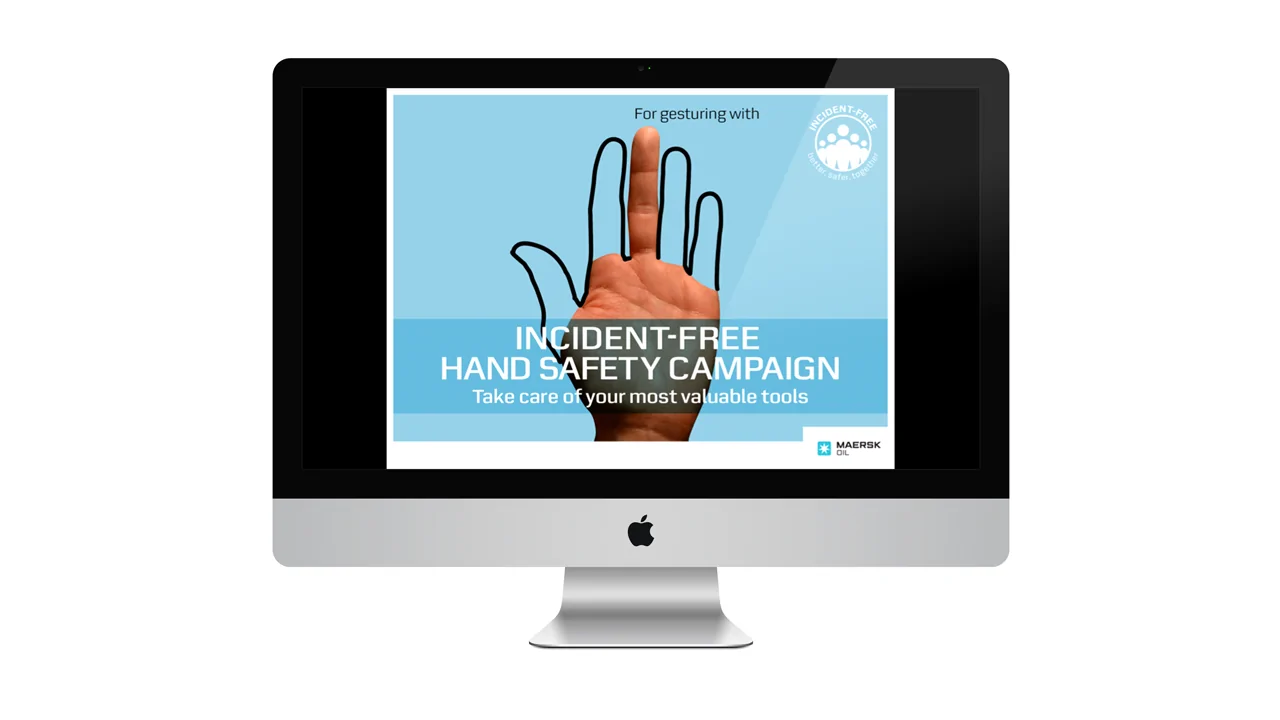
The award-recognized Maersk hand safety campaign.
Services
Content Production
Training posters & print
Site-specific print & visual aids
/services/training-posters
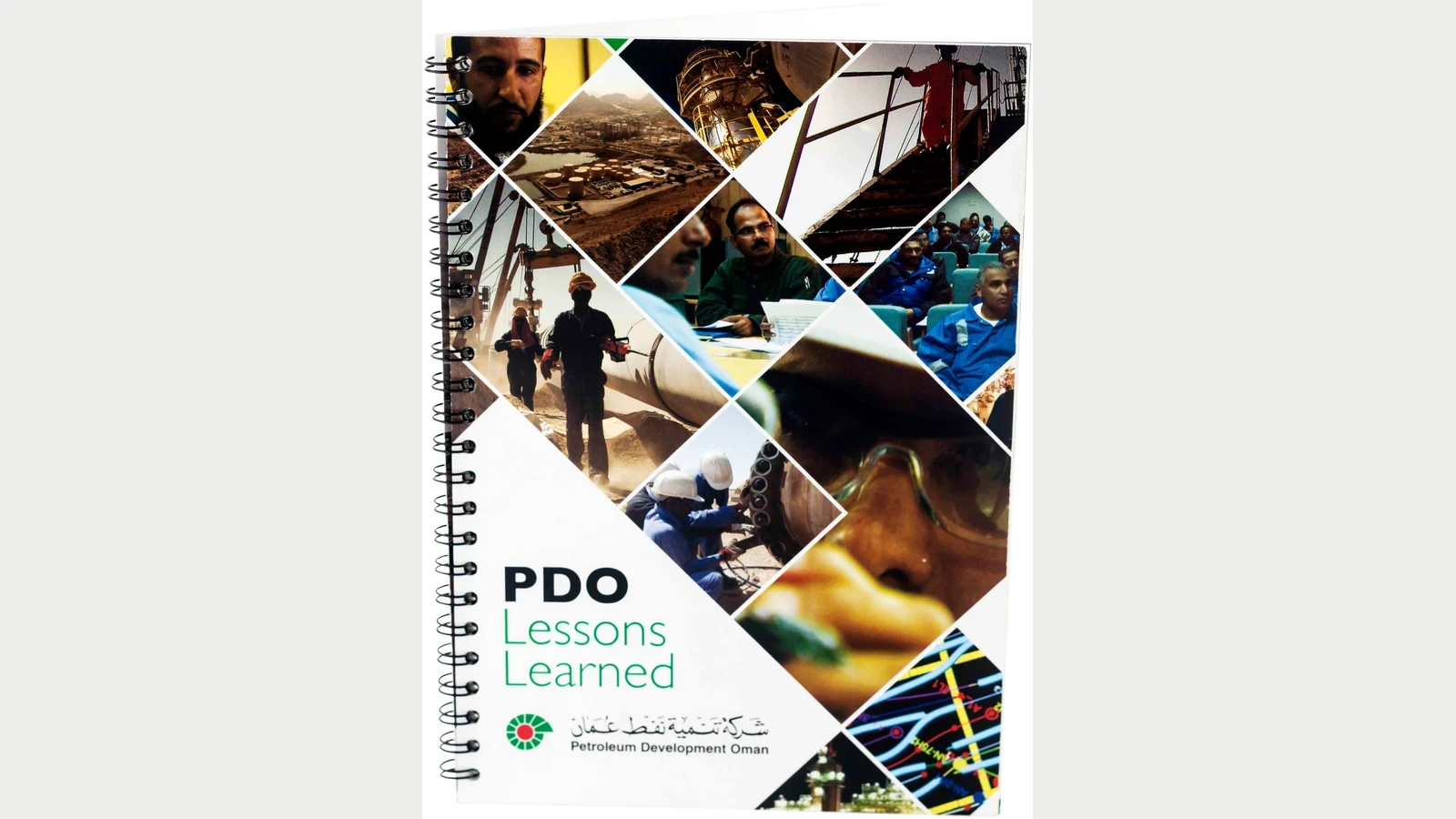
A printed lessons learned handbook produced for Petroleum Development Oman.
Services
Content Production
PowerPoint Materials
Trainer-led deck rebuilds
/services/powerpoint-training-materials
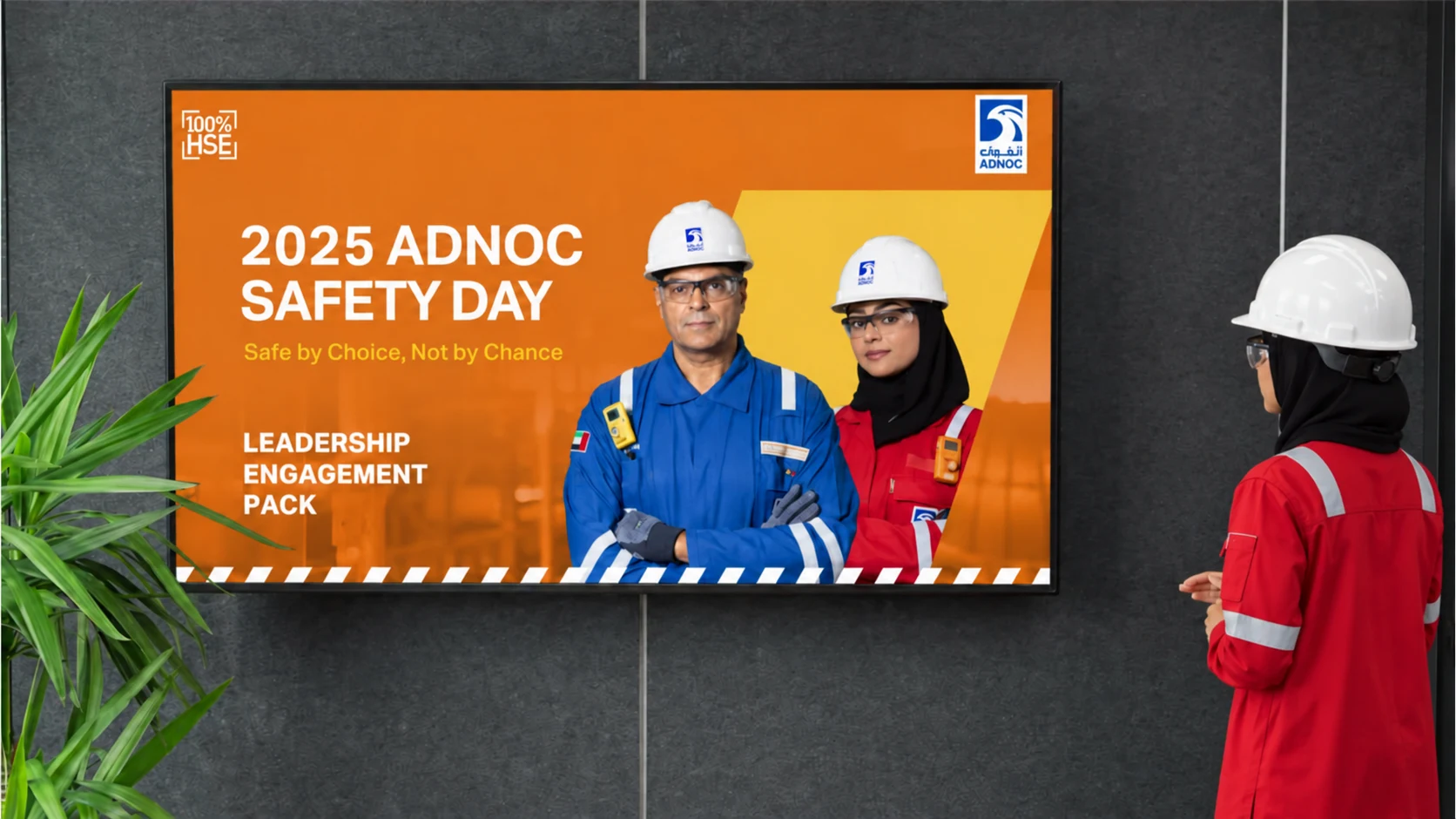
Presenting an ADNOC Safety Day engagement deck.
Services
Interactive Training
E-Learning
SCORM online modules
/services/e-learning
Scenario questions inside a client e-learning module.

Services
Interactive Training
Virtual Reality (VR)
Immersive headset training
/services/virtual-reality-vr-training
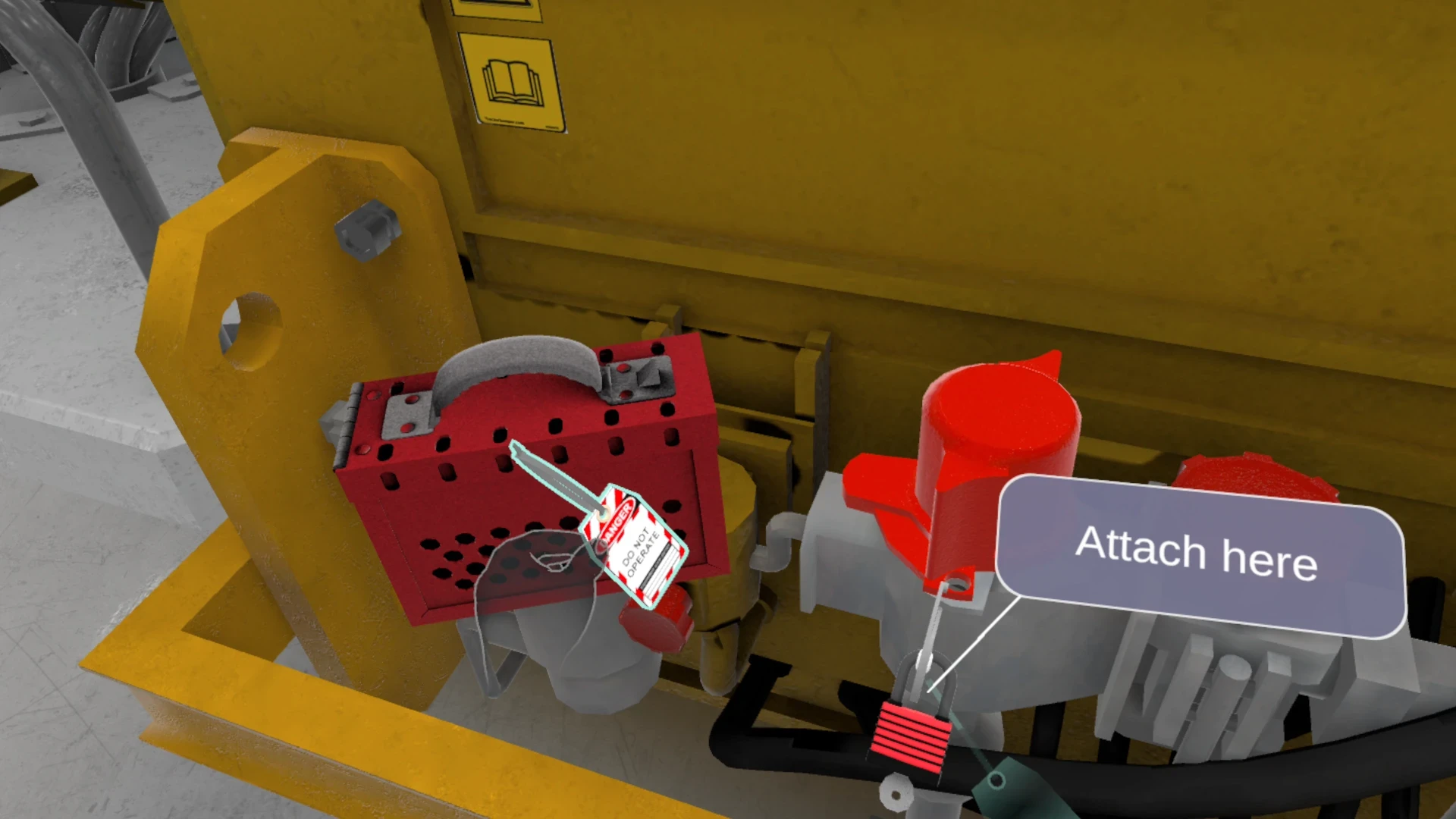
Lockout tagout training with full hand tracking in VR.
Services
Interactive Training
Flat-Screen Simulations
Desktop, web & mobile simulations
/services/flat-screen-simulation-training
SHIIFT simulations running on laptops and mobile devices.

Services
Interactive Training
Digital Twins
Navigable sites & equipment
/services/digital-twins
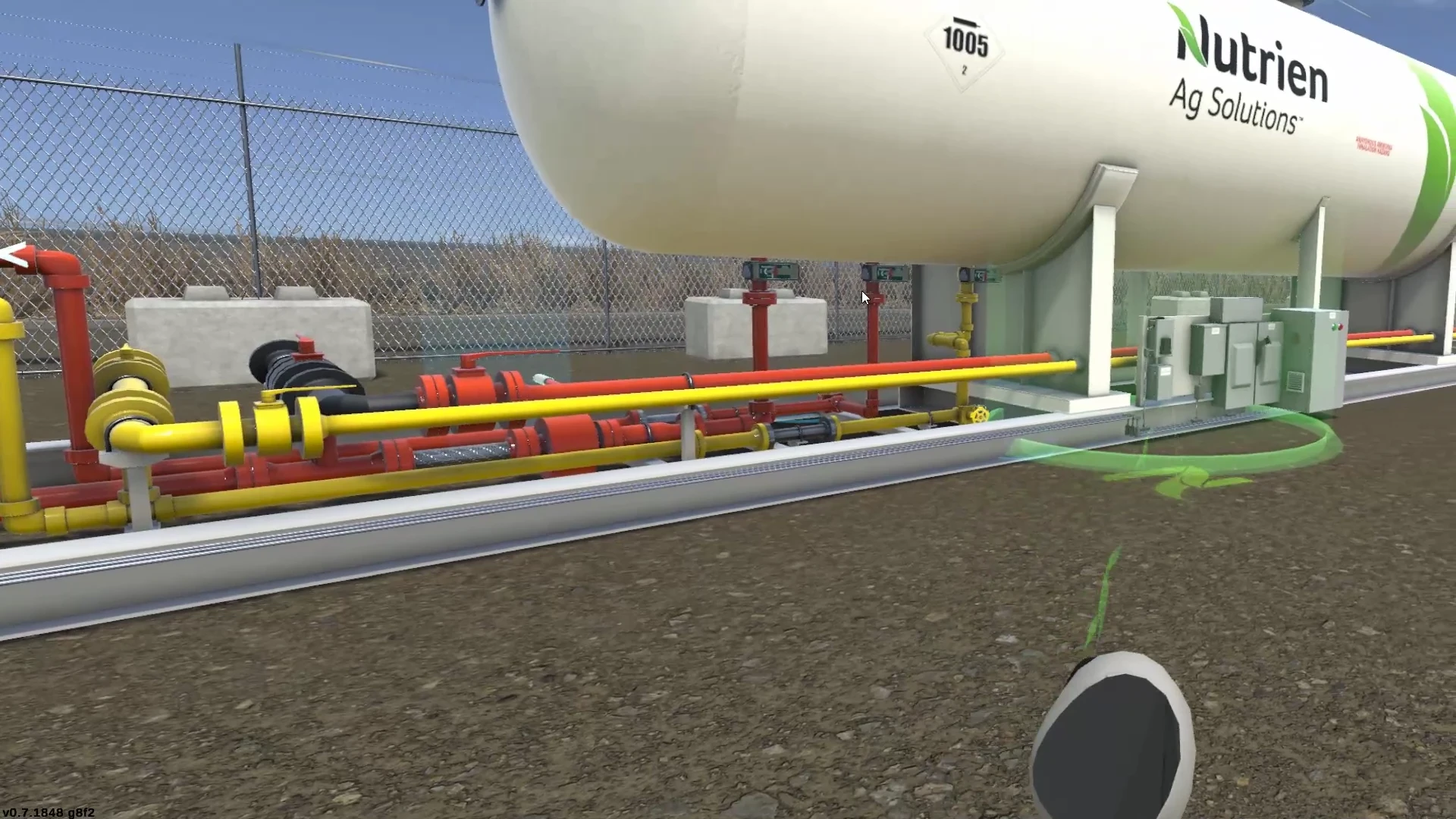
A navigable 3D replica of Nutrien's ammonia transfer plant.
Approach
How We Work
Our approach
Analysis, design, delivery, validation
/approach
Approach
How We Work
SCORM & LMS Integration
Tracking in your systems
/services/scorm-lms-integration
Approach
How We Work
Scenario-Based Assessments
Competency you can prove
/services/scenario-based-assessments