
Anyone who has run a toolbox talk will recognize the moment when a familiar slide appears and attention drops. The briefing happens and the sign-in sheet goes around, but less of the message gets through. The term for this is safety fatigue, and it's a predictable human response to hearing the same message in the same way many times over. It can affect careful, experienced people too.
What is safety fatigue?
Safety fatigue, sometimes called safety message fatigue, is the drop in attention and response that follows repeated exposure to the same safety content. Workers still hear the message but process less of it. A poster that once caught the eye becomes part of the wall, and a briefing that once prompted questions becomes something to sit through.
Research on warnings shows how quickly this can happen. A Brigham Young University study of habituation to repeated warnings, published in MIS Quarterly in 2018, used brain scanning and eye tracking to measure how people responded to the same computer security warnings over a working week. Attention fell across the week and recovered partly between workdays. When the warnings changed their appearance each time, the decline was much smaller. In a three-week field study, people kept following the varied warnings at a higher rate than the standard ones.
Those studies looked at software warnings. The mechanism they measured, habituation, is a general feature of how people respond to repeated signals, which is why the findings are relevant to anyone planning safety communication. They also suggest that changing how a message is delivered, and how often, can slow the drop in attention.
What causes safety fatigue?
Safety fatigue builds from several sources at once. The common ones include:
Repetition of identical content. The same film, slide deck, toolbox script or poster runs again unchanged, and people stop expecting to learn anything from it.
Sameness of delivery. Even new content can feel old when it arrives from the same presenter in the same time slot every week.
Perceived immunity. Psychologists call this optimistic bias, the mistaken belief that your own chance of a negative event is lower than your peers'. The National Cancer Institute's summary of optimistic bias research traces it to work by Neil Weinstein in 1980. On site it sounds like "that happens to other people."
Content that doesn't match the job. Generic material showing a different industry or different equipment tells people it wasn't made for them.
Volume. When many topics are labeled urgent at once, it's hard to tell which ones need action first. Workers who receive a steady stream of briefings and alerts have to filter, and safety messages get filtered along with everything else.
No visible follow-through. If workers report a hazard and nothing changes, the next message about speaking up carries less weight.
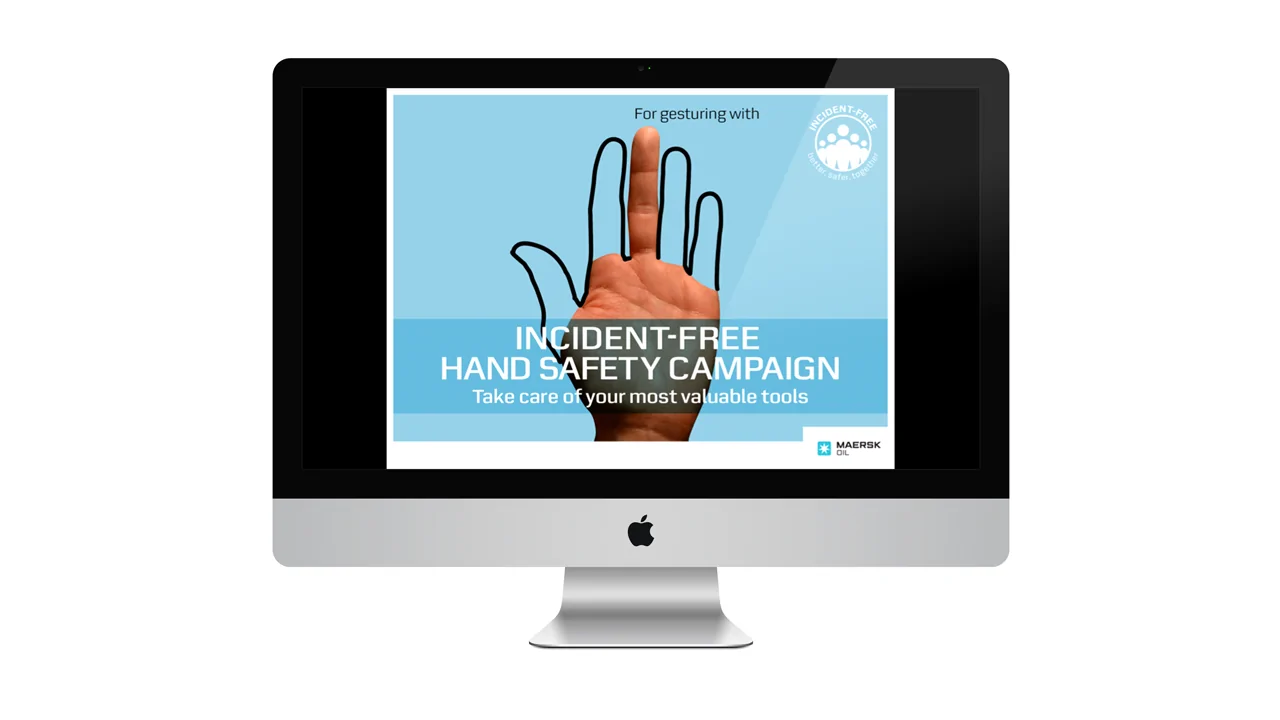
These causes can show up in organizations with a strong safety culture. When Maersk Oil set out to reduce hand injuries, the brief for its Maersk Oil hand safety campaign described a safety message repeated so insistently that some people had come to feel immune to accidents, and noted that many switched into a passive, receive-only mode during briefings.
What are the signs of safety fatigue?
Safety fatigue is hard to measure directly, but there are signs worth watching for:
Briefings that end with no questions, or with the same questions every time.
Signed attendance sheets, but people who can't recall the main point of a briefing an hour later.
Observation cards and near-miss reports that drop off or start to read the same.
Posters and signs that nobody can describe when asked.
Comments like "we've heard this before" about familiar topics.
Observations showing familiar steps being shortened on routine tasks.
Repeat incidents on topics that have been covered many times.
Treat them as prompts to review how messages are delivered and how often.
Where do responses to safety fatigue go wrong?
The instinctive responses to a disengaged audience can make the problem worse. These are the ones worth avoiding:
Blaming the audience. Telling people they're complacent can reinforce the sense that the message is aimed at someone else, which is the optimistic bias the message is trying to overcome.
Turning up the volume. Adding extra briefings to a crowded week adds to the noise that caused the filtering in the first place.
Relying on shock. Realistic consequences can make a message real, and the Maersk brief included the view that realistic images were more likely to hit home. Used every time, graphic content becomes one more thing people get used to. The article on fear appeal in safety training looks at where emotion helps and where it stops working.
Changing the rule to make it feel new. The habituation research suggests the opposite approach: keep the core standard stable and change the way it's presented.
Measuring attendance as success. A sign-in sheet records attendance but doesn't show whether people understood the message.
How do you get workers to pay attention to safety again?
The habituation research points to the first answer: change slows the drop in attention.
Find a fresh angle on a familiar topic
Hand safety, dropped objects, slips and manual handling are topics that sites return to year after year. The rule can stay the same while the way into it changes. A campaign can come at a familiar hazard through its consequences at home, a personal story, a question for the audience or a comparison from outside work.
The Maersk Oil campaign took the first route. The brief called for a presentation that Maersk's safety coaches could tailor to each audience: offshore workers, onshore staff, office workers and contractors. It focused on what a serious hand injury would mean for home life as well as work. One proposed strapline simply asked, "What are you missing?"
A comparison from outside work can do the same job. The Predictable Performance safety film for Gulf Coast Growth Ventures had professional athletes and performers, including a former NFL quarterback, a boxing champion, a pro soccer player and a race car driver, talk about the focus their work demands. The film then connected that mindset to high-risk construction work on what was then the world's biggest petrochemical plant build.
Use peer voices
A supervisor describing a near miss on the same unit, in their own words, can be harder to dismiss than a narrator reading a script. Interviews, worker-led safety moments, crew members on posters and dramatized reconstructions of real events all put peers at the center. The article on safety dramas and storytelling in training covers how to do this well.
Break the pattern of delivery
In the warnings research, the same message in a changing form held attention better. The equivalent on site is to vary who delivers a message and the setting it's delivered in. A briefing held at the equipment it's about, led by an operator, lands in a different way from the same content on a screen in the break room. Rotating presenters and moving the time slot are low-cost changes worth trying before anything is produced.
Involve workers in the message
OSHA's recommended practices on worker participation point out that workers often know the most about the hazards associated with their jobs. Research backs up the value of taking part. A meta-analysis of 95 studies on worker safety training methods, published in the American Journal of Public Health in 2006, found that as training methods became more engaging, requiring trainees' active participation, workers showed greater knowledge gains and reductions in negative safety and health outcomes.
On site, involvement can mean:
asking crews to lead safety moments on hazards they've seen;
having workers review a draft script or storyboard before production;
asking the workforce which hazards the next campaign should tackle;
using scenarios where people have to spot the error or decide what happens next;
featuring real crew members on screen or on posters.
Space it out and refresh it
In the habituation studies, attention recovered partly between workdays. Spacing short, varied touchpoints through the year applies the same idea. A safety moment at the start of a shift, a new poster set each quarter, a short scenario between campaigns and refresher training timed around seasonal risks or procedure changes all keep the topic alive without wearing it out.
Show what changed
When workers raise a hazard, tell them what happened next. Closing the loop on reports and suggestions gives the next safety message more credibility, because people can see that speaking up has an effect.
Questions to ask before your next safety campaign
Before producing anything new on a topic people have heard many times, it's worth settling these points:
What has the workforce already received on this topic, and in what form?
Which part of the message is the rule that must stay fixed, and which parts can change?
Whose voice will the audience trust on this subject?
Does the content show your own sites and equipment?
How will workers be involved before and during the campaign?
How will the message be spaced across the year?
What will you measure beyond attendance to know whether it landed?
Solutions
Safety Training
Hazard recognition
Spot risks before incidents
/solutions/hazard-recognition-training
Solutions
Safety Training
Life-Saving Rules
Critical rules as decisions
/solutions/life-saving-rules-training
Solutions
Safety Training
Behavioral safety
Stop work authority, used
/solutions/behavioral-safety-training
Solutions
Safety Training
Hand safety
Fewer hand injuries
/solutions/hand-safety-training
Solutions
Safety Training
PPE selection & use
The right kit, worn right
/solutions/ppe-training
Solutions
Safety Training
H2S & gas awareness
The invisible hazard, visible
/solutions/h2s-gas-awareness-training
Solutions
Safety Training
Fire & emergency response
Beyond the routine drill
/solutions/fire-safety-emergency-response-training
Solutions
Safety Training
Toolbox talks
Five strong minutes weekly
/solutions/toolbox-talk-content
Solutions
Safety Training
Permit to work
PTW judgment scenarios
/solutions/permit-to-work-training
Solutions
Safety Training
Isolation & LOTO
Safe energy isolation
/solutions/isolation-lockout-tagout-training
Solutions
Safety Training
Confined space entry
Entries and rescue response
/solutions/confined-space-entry-training
Solutions
Safety Training
Working at height
Falls and dropped objects
/solutions/working-at-height-training
Solutions
Safety Training
Lifting & rigging
Safer critical lifts
/solutions/lifting-rigging-training
Solutions
Safety Training
Hot work
Sparks under control
/solutions/hot-work-training
Solutions
Safety Training
Line of fire
See the energy path
/solutions/line-of-fire-training
Solutions
Safety Training
Driver safety
Safer driving and journeys
/solutions/driver-safety-training
Solutions
Safety Training
Electrical safety
Safe isolation, arc flash aware
/solutions/electrical-safety-training
Solutions
Safety Training
Excavation work
Trenches and buried services
/solutions/excavation-safety-training
Solutions
Safety Training
Ergonomics
Strain prevention that sticks
/solutions/ergonomics-training
Solutions
Safety Training
Situational awareness
Noticing change on site
/solutions/situational-awareness-training
Solutions
Onboarding & People
Site orientation
Inductions before day one
/solutions/site-orientation-onboarding
Solutions
Onboarding & People
Expatriate workforce
Localized multilingual training
/solutions/expatriate-workforce-training
Solutions
Onboarding & People
Visitor inductions
Pre-arrival essentials
/solutions/visitor-induction-training
Solutions
Onboarding & People
Leadership training
Judgment, developed
/solutions/leadership-training
Solutions
Onboarding & People
Soft skills
Conversations that work
/solutions/soft-skills-training
Solutions
Onboarding & People
Safety leadership
Frontline supervisor skills
/solutions/safety-leadership-training
Solutions
Onboarding & People
Human factors
Error traps and defenses
/solutions/human-factors-training
Solutions
Operations & Technical
Process & procedures
Step-by-step competence
/solutions/process-procedure-training
Solutions
Operations & Technical
Operational readiness
Ready before start-up
/solutions/operational-readiness
Solutions
Operations & Technical
Technical training
Complex systems explained
/solutions/technical-training
Solutions
Operations & Technical
Control room & DCS
Alarms and upset response
/solutions/control-room-training
Solutions
Operations & Technical
Crane operation
Operators, banksmen, supervisors
/solutions/crane-operation-training
Solutions
Operations & Technical
Forklift operation
Operators, pedestrians, supervisors
/solutions/forklift-operation-training
Solutions
Operations & Technical
Maintenance & turnarounds
Outage preparation
/solutions/maintenance-turnaround-training
Solutions
Operations & Technical
Process safety
Barriers made visible
/solutions/process-safety-training
Solutions
Compliance & Modernization
Lessons learned (LFI)
Incidents into training
/solutions/lessons-learned-training
Solutions
Compliance & Modernization
Spill response
Environmental first response
/solutions/spill-response-training
Solutions
Compliance & Modernization
Hazardous materials
Storage, handling, transport
/solutions/hazardous-materials-training
Solutions
Compliance & Modernization
Security awareness
Physical and cyber vigilance
/solutions/security-awareness-training
Services
Content Production
Training Videos
Filmed through our global crew network
/services/workplace-safety-training-videos
A safety orientation film produced for Milestone Environmental Services.

Services
Content Production
2D & 3D Animation
Engineering-accurate visuals
/services/2d-3d-animation
From a 3D animation built to supplement an ADNOC e-learning module.

Services
Content Production
Safety Campaigns
Sustained behavior change
/services/safety-campaigns
The award-recognized Maersk hand safety campaign.
Services
Content Production
Training posters & print
Site-specific print & visual aids
/services/training-posters
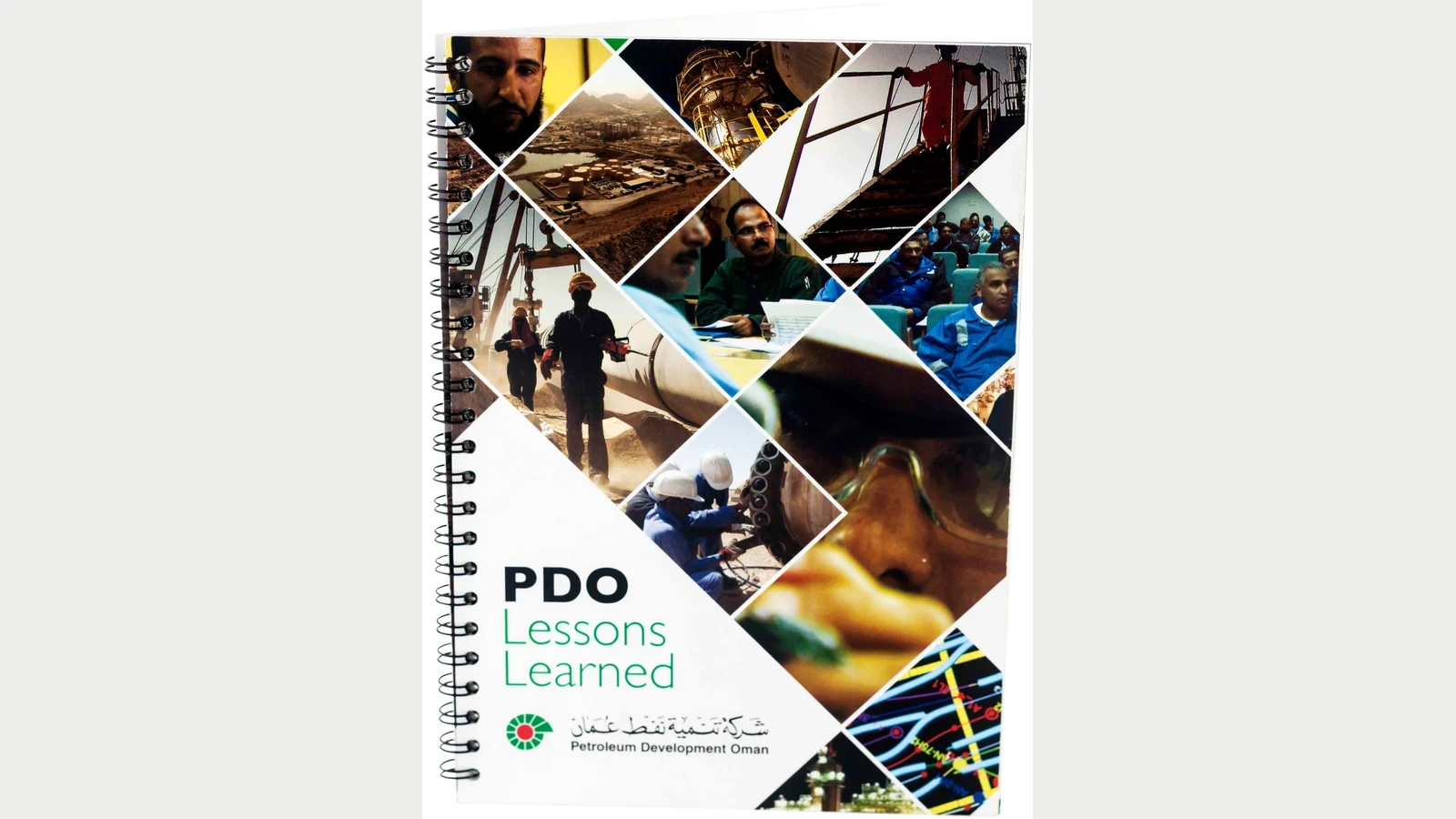
A printed lessons learned handbook produced for Petroleum Development Oman.
Services
Content Production
PowerPoint Materials
Trainer-led deck rebuilds
/services/powerpoint-training-materials
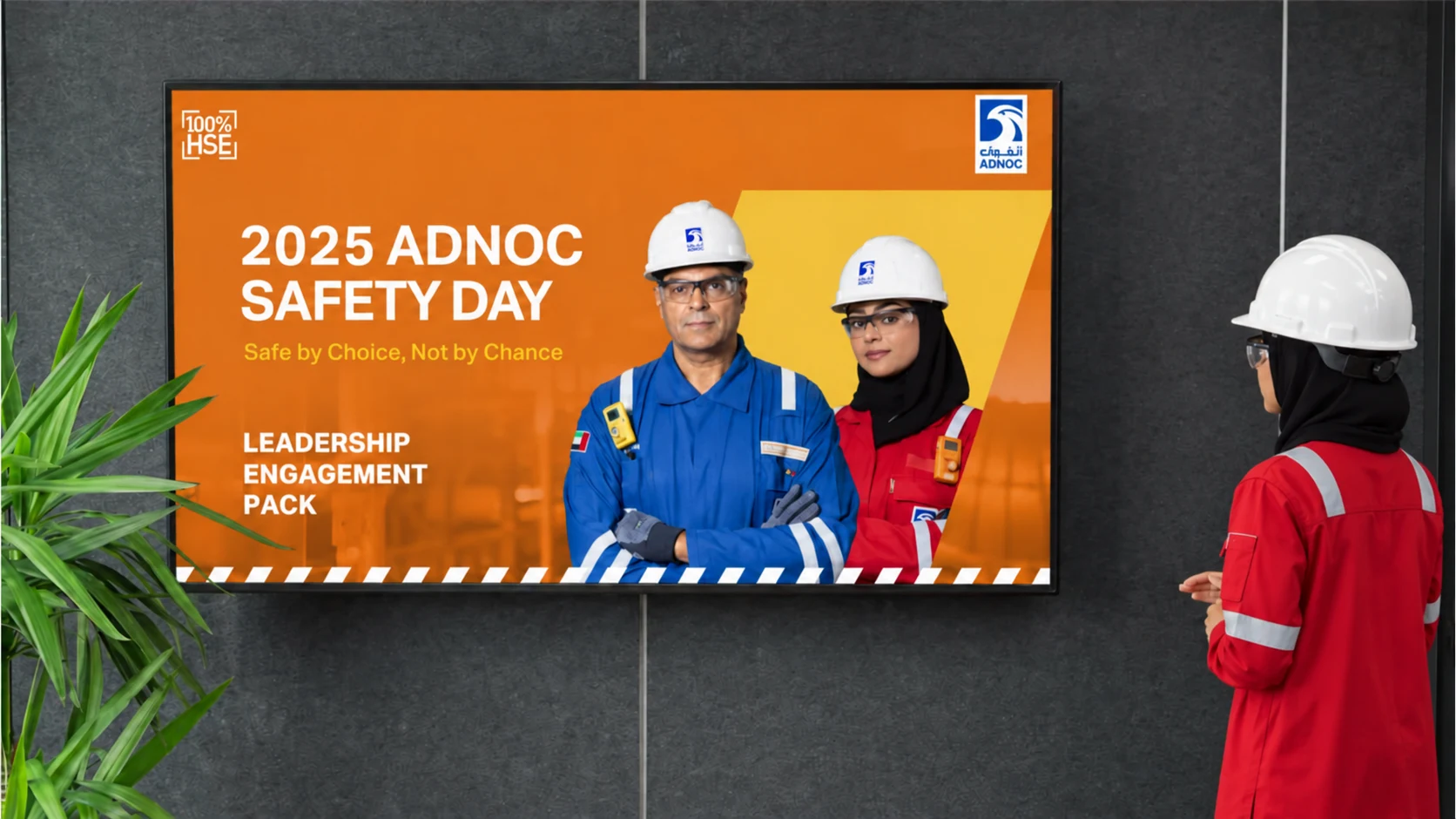
Presenting an ADNOC Safety Day engagement deck.
Services
Interactive Training
E-Learning
SCORM online modules
/services/e-learning
Scenario questions inside a client e-learning module.

Services
Interactive Training
Virtual Reality (VR)
Immersive headset training
/services/virtual-reality-vr-training
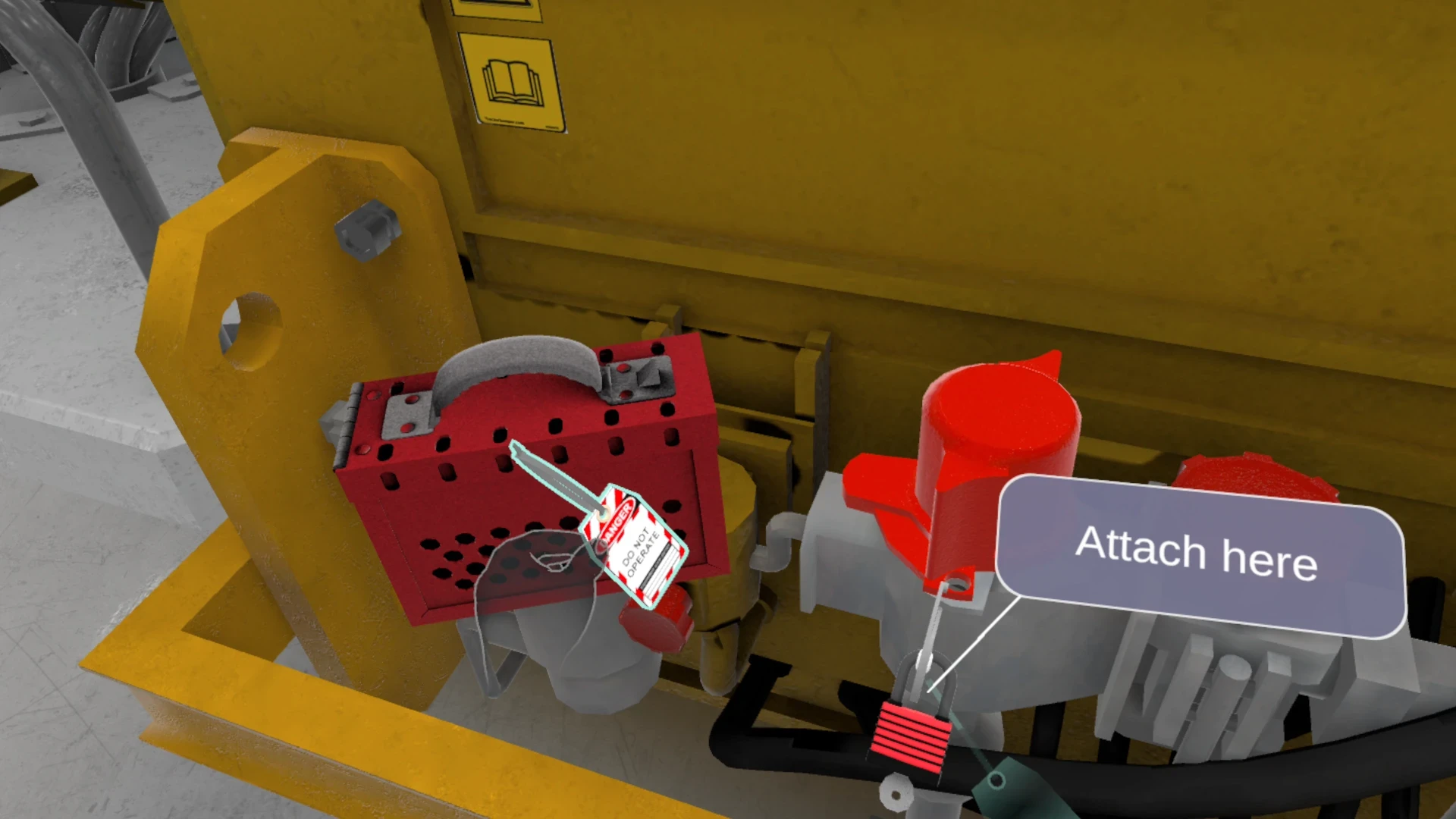
Lockout tagout training with full hand tracking in VR.
Services
Interactive Training
Flat-Screen Simulations
Desktop, web & mobile simulations
/services/flat-screen-simulation-training
SHIIFT simulations running on laptops and mobile devices.

Services
Interactive Training
Digital Twins
Navigable sites & equipment
/services/digital-twins
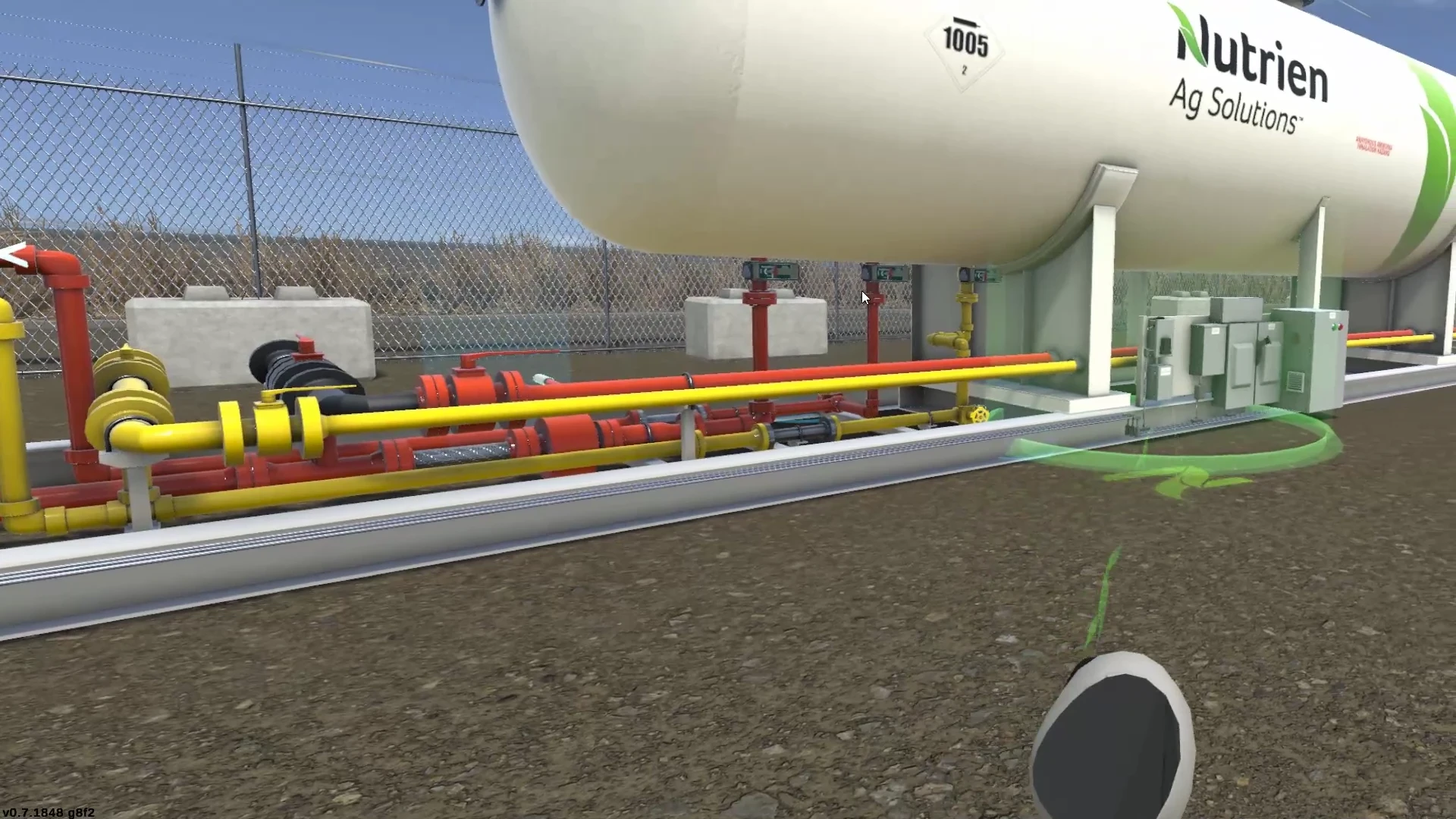
A navigable 3D replica of Nutrien's ammonia transfer plant.
Approach
How We Work
Our approach
Analysis, design, delivery, validation
/approach
Approach
How We Work
SCORM & LMS Integration
Tracking in your systems
/services/scorm-lms-integration
Approach
How We Work
Scenario-Based Assessments
Competency you can prove
/services/scenario-based-assessments