←
All articles
Article
Fatigue in shift work and driving: causes, data, controls and training
·

Fatigue is a hazard that work schedules and life outside work can both create. A plant operator on the fourth night of a run, a technician driving home after a 14-hour turnaround shift, a lineworker called out overnight after a storm and a truck driver pushing to finish a route can all be fully trained and still be impaired. OSHA's guidance on the hazards of worker fatigue lists effects including sleepiness, reduced alertness, impaired decision making and poor concentration and memory.
The consequences can be catastrophic. In its investigation of the 2005 BP Texas City refinery explosion, which killed 15 people and injured 180, the U.S. Chemical Safety Board found that the unit's operators were likely fatigued from working 12-hour shifts for 29 or more consecutive days.
Training can't fix fatigue on its own. The schedule is the first control, and awareness alone can't make the 29th straight day of 12-hour shifts safe.
What causes fatigue at work?
Fatigue builds when people sleep too little or sleep at the wrong time of day, and work schedules affect both. According to OSHA's overview of long work hours and irregular shifts, almost 15 million Americans work full time on evening, night, rotating or other irregular shifts. The causes can stack on top of each other:
Night shifts, which ask people to work when the body clock is pushing them to sleep and to sleep during the day.
Rotating shifts and quick changeovers, which leave the body clock out of step with the hours being worked.
Long shifts and overtime, including extra hours picked up through shift swaps.
Runs of consecutive shifts without enough recovery days between them.
Early starts, which cut into the last hours of sleep.
Commuting, which adds time awake at both ends of the shift and puts a tired worker behind the wheel.
On-call work and callouts that break up sleep.
Demanding work. NIOSH guidance on safe work schedules notes that fatigue risk rises with tasks that are highly cognitive or emotionally intense, involve physical exertion, take place in extreme environments or carry other health and safety hazards.
Life outside work adds to the load: second jobs, young children, sleep disorders and long drives home on the last day of a rotation. An employer can't control these, but training can help people recognize them and know how to report when they aren't fit for duty.
How do shift length and night work affect injury risk?
The research summarized in OSHA's worker fatigue hazards page puts numbers on the risk. Accident and injury rates are 18% higher during evening shifts and 30% higher during night shifts compared with day shifts. Working 12 hours a day is associated with a 37% increased risk of injury.
These figures matter when someone proposes moving a crew from 8-hour to 12-hour shifts, or adding a night shift to catch up on a backlog. Both changes can be the right call for the business, but they change the risk, and the fatigue controls and training need to change with them.

How big is the drowsy driving problem?
Driving is one of the places where fatigue can turn into a fatal outcome far from the work site. NHTSA's drowsy driving data estimates that in 2017, 91,000 police-reported crashes in the US involved drowsy drivers, leading to an estimated 50,000 injuries and nearly 800 deaths, and NHTSA acknowledges these figures underestimate the problem.
Studies using other methods put the toll higher. The AAA Foundation study of drowsy driving in fatal crashes estimated that 17.6% of fatal crashes in the US between 2017 and 2021 involved a drowsy driver, and that 29,834 people were killed in those crashes over the five years.
The effect on a driver is comparable to alcohol. NIOSH training on fatigue and impairment states that being awake for 17 hours is similar to having a blood alcohol concentration of 0.05%, and being awake for 24 hours is similar to 0.10%. Someone who wakes at 5 a.m. for an early shift and then stays on for overtime reaches 17 hours awake at 10 p.m., which can fall on the drive home. The commute is a real exposure: research summarized in OSHA's guidance on extended shifts and commute crashes found that each extended shift scheduled in a month raised medical residents' monthly risk of a crash on the drive home by 16.2%.
When James Hardie ran a driver awareness program for its 5,000-strong workforce during the company's Safety Week, fatigued driving was one of the behaviors covered in its VR distracted driving experiences, alongside distractions such as phone use. Each session ended with a statement of understanding, so participants identified the risks and committed to safer driving.
What are the hours of service rules for truck drivers?
In the US, the FMCSA hours of service rules for property-carrying drivers (49 CFR 395.3) set these limits:
A driver can't drive without first taking 10 consecutive hours off duty.
Driving is limited to 11 hours within a 14-hour window that starts when the driver comes on duty.
Once 8 hours of driving time have passed, the driver needs an interruption of at least 30 consecutive minutes before driving again.
A driver can't drive after 60 hours on duty in 7 consecutive days, or 70 hours in 8 consecutive days if the carrier operates every day of the week.
An off-duty period of 34 or more consecutive hours can restart the 7- or 8-day count.
These limits are maximums, and a driver can stay inside every rule and still be impaired after a poor day's sleep. The rules also don't cover a worker's commute home after a night shift.
Outside transportation, federal hour limits are the exception. OSHA's page on limitations on work hours points to the agencies that set them for specific groups: the FAA for flight crews, FMCSA for commercial drivers, the FRA for railroad employees and the NRC for workers at nuclear facilities. For a refinery operator or a construction crew, the limits are whatever the employer sets.
How does fatigue show up on the job?
Training should teach the signs well enough for people to check themselves and their colleagues:
Microsleeps, which are brief lapses of a few seconds.
Missed steps in routine procedures and pre-use checks.
Slow responses to alarms and changing process conditions.
Patchy communication at shift handover.
Drifting out of lane or having no memory of the last few miles of a drive.
Heavy eyelids and repeated yawning.
Fatigue also wears down situational awareness, and it sits alongside distracted driving as a cause of lapses on the road, so the topics connect well in one program.
What is a fatigue risk management system?
A fatigue risk management system (FRMS) treats fatigue like any other workplace hazard. The organization identifies where fatigue arises, assesses the risk, puts controls in place and checks that the controls work. OSHA's fatigue prevention guidance suggests employers consider a fatigue risk management plan. In refining and petrochemicals, API RP 755 on fatigue risk management systems grew out of a CSB recommendation made after the BP Texas City explosion.
The elements of an FRMS can include:
A policy that sets limits on working hours, overtime, on-call work and shift swapping.
Schedules that allow rest. NIOSH's scheduling guidance for responders on long shifts calls for at least 10 consecutive hours of protected time off-duty per day and suggests considering two rest days after three consecutive 12-hour shifts.
Frequent, brief rest breaks during demanding work. NIOSH guidance on rest breaks during long shifts suggests breaks every 1 to 2 hours.
Staffing reviews that look at workload, work hours, understaffing and worker absences, as OSHA's fatigue prevention guidance recommends.
Records of hours actually worked, including overtime, on-call work, callouts and shift swaps, checked against the policy.
Journey management for driving after long or night shifts, including alternatives such as rest facilities or arranged transport.
A way for people to report fatigue without being penalized.
Fatigue considered as a possible factor in every incident investigation.
What should fatigue training cover for workers?
OSHA's fatigue prevention guidance says worker training should address the hazards of worker fatigue, along with symptoms, health effects, sleep, diet, exercise and stress management. In practical terms, fatigue training for shift workers and drivers can cover:
How sleep and the body clock work, and why day sleep after a night shift is harder to get.
Planning sleep around a rotation, including the switch between days and nights.
The warning signs of fatigue in themselves and in colleagues.
The company's limits on hours and how to report fatigue.
The comparison between hours awake and blood alcohol, so the risk of driving tired is clear.
Planning breaks on long drives and deciding not to drive when impaired.
Planning the commute after night shifts and callouts.
Health factors such as sleep disorders, and where to get help.
What do supervisors need to know about fatigue?
Supervisors decide who works overtime and who takes the callout, so their training carries as much weight as the workforce's. It can cover:
Spotting fatigue during toolbox talks and shift handovers.
Responding to a fatigue report by reassigning tasks, adding a second person, arranging transport or stopping the job.
Planning overtime and callouts against the hours limits in the policy, and approving shift swaps with those limits in mind.
Treating fatigue reports consistently, so that people who raise them aren't seen as weak or uncommitted.
Recording fatigue as a possible factor during incident investigations.
A short safety moment on fatigue at the start of a night shift or before a shutdown gives supervisors a regular way to raise the subject, and planned refresher training before a new roster or an extended-hours shutdown keeps the message current.
Fatigue program checklist
Before rolling out fatigue training, check that the system around it is in place:
Is there a written limit on daily and weekly hours, including overtime and callouts?
Do schedules leave room for a full sleep between shifts and recovery days after long runs?
Are actual hours recorded and reviewed, and does anyone act when the limits are exceeded?
Is there a safe option for workers too tired to drive home?
Can workers report fatigue without penalty, and do supervisors know how to respond?
Do incident investigations ask about hours worked and sleep in the days before the event?
Solutions
Safety Training
Hazard recognition
Spot risks before incidents
/solutions/hazard-recognition-training
Solutions
Safety Training
Life-Saving Rules
Critical rules as decisions
/solutions/life-saving-rules-training
Solutions
Safety Training
Behavioral safety
Stop work authority, used
/solutions/behavioral-safety-training
Solutions
Safety Training
Hand safety
Fewer hand injuries
/solutions/hand-safety-training
Solutions
Safety Training
PPE selection & use
The right kit, worn right
/solutions/ppe-training
Solutions
Safety Training
H2S & gas awareness
The invisible hazard, visible
/solutions/h2s-gas-awareness-training
Solutions
Safety Training
Fire & emergency response
Beyond the routine drill
/solutions/fire-safety-emergency-response-training
Solutions
Safety Training
Toolbox talks
Five strong minutes weekly
/solutions/toolbox-talk-content
Solutions
Safety Training
Permit to work
PTW judgment scenarios
/solutions/permit-to-work-training
Solutions
Safety Training
Isolation & LOTO
Safe energy isolation
/solutions/isolation-lockout-tagout-training
Solutions
Safety Training
Confined space entry
Entries and rescue response
/solutions/confined-space-entry-training
Solutions
Safety Training
Working at height
Falls and dropped objects
/solutions/working-at-height-training
Solutions
Safety Training
Lifting & rigging
Safer critical lifts
/solutions/lifting-rigging-training
Solutions
Safety Training
Hot work
Sparks under control
/solutions/hot-work-training
Solutions
Safety Training
Line of fire
See the energy path
/solutions/line-of-fire-training
Solutions
Safety Training
Driver safety
Safer driving and journeys
/solutions/driver-safety-training
Solutions
Safety Training
Electrical safety
Safe isolation, arc flash aware
/solutions/electrical-safety-training
Solutions
Safety Training
Excavation work
Trenches and buried services
/solutions/excavation-safety-training
Solutions
Safety Training
Ergonomics
Strain prevention that sticks
/solutions/ergonomics-training
Solutions
Safety Training
Situational awareness
Noticing change on site
/solutions/situational-awareness-training
Solutions
Onboarding & People
Site orientation
Inductions before day one
/solutions/site-orientation-onboarding
Solutions
Onboarding & People
Expatriate workforce
Localized multilingual training
/solutions/expatriate-workforce-training
Solutions
Onboarding & People
Visitor inductions
Pre-arrival essentials
/solutions/visitor-induction-training
Solutions
Onboarding & People
Leadership training
Judgment, developed
/solutions/leadership-training
Solutions
Onboarding & People
Soft skills
Conversations that work
/solutions/soft-skills-training
Solutions
Onboarding & People
Safety leadership
Frontline supervisor skills
/solutions/safety-leadership-training
Solutions
Onboarding & People
Human factors
Error traps and defenses
/solutions/human-factors-training
Solutions
Operations & Technical
Process & procedures
Step-by-step competence
/solutions/process-procedure-training
Solutions
Operations & Technical
Operational readiness
Ready before start-up
/solutions/operational-readiness
Solutions
Operations & Technical
Technical training
Complex systems explained
/solutions/technical-training
Solutions
Operations & Technical
Control room & DCS
Alarms and upset response
/solutions/control-room-training
Solutions
Operations & Technical
Crane operation
Operators, banksmen, supervisors
/solutions/crane-operation-training
Solutions
Operations & Technical
Forklift operation
Operators, pedestrians, supervisors
/solutions/forklift-operation-training
Solutions
Operations & Technical
Maintenance & turnarounds
Outage preparation
/solutions/maintenance-turnaround-training
Solutions
Operations & Technical
Process safety
Barriers made visible
/solutions/process-safety-training
Solutions
Compliance & Modernization
Lessons learned (LFI)
Incidents into training
/solutions/lessons-learned-training
Solutions
Compliance & Modernization
Spill response
Environmental first response
/solutions/spill-response-training
Solutions
Compliance & Modernization
Hazardous materials
Storage, handling, transport
/solutions/hazardous-materials-training
Solutions
Compliance & Modernization
Security awareness
Physical and cyber vigilance
/solutions/security-awareness-training
Services
Content Production
Training Videos
Filmed through our global crew network
/services/workplace-safety-training-videos
A safety orientation film produced for Milestone Environmental Services.

Services
Content Production
2D & 3D Animation
Engineering-accurate visuals
/services/2d-3d-animation
From a 3D animation built to supplement an ADNOC e-learning module.

Services
Content Production
Safety Campaigns
Sustained behavior change
/services/safety-campaigns
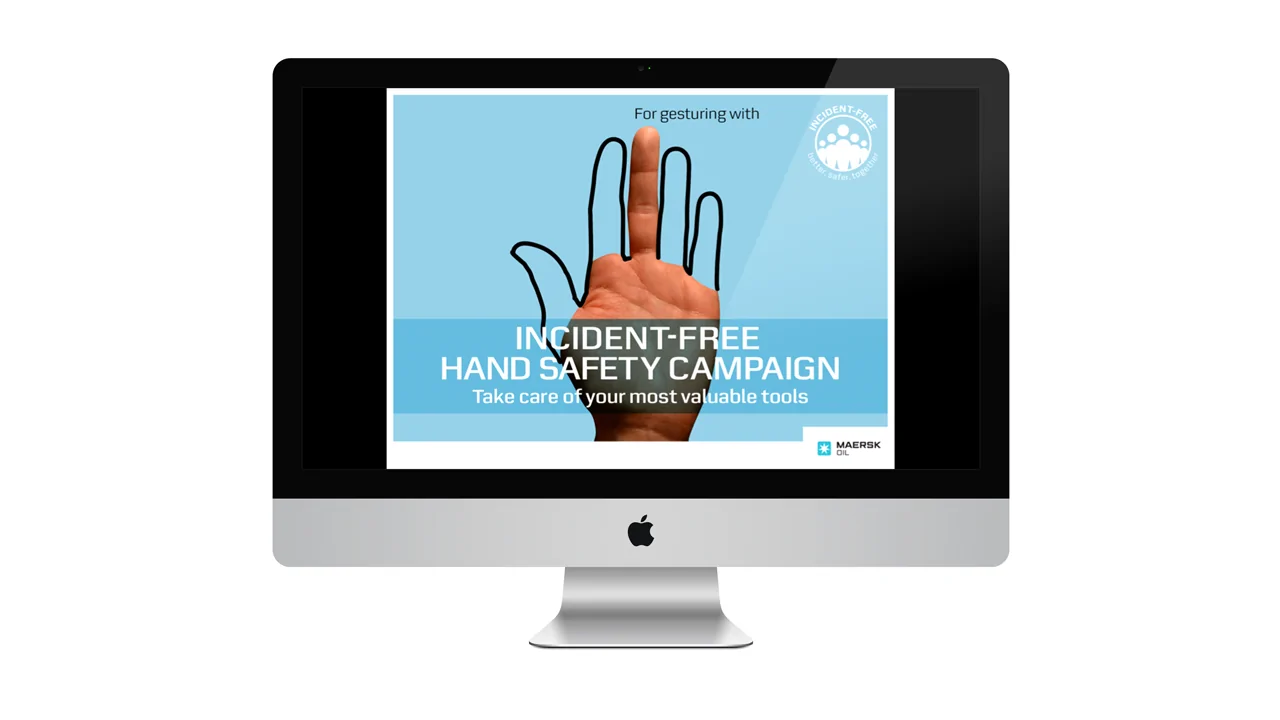
The award-recognized Maersk hand safety campaign.
Services
Content Production
Training posters & print
Site-specific print & visual aids
/services/training-posters
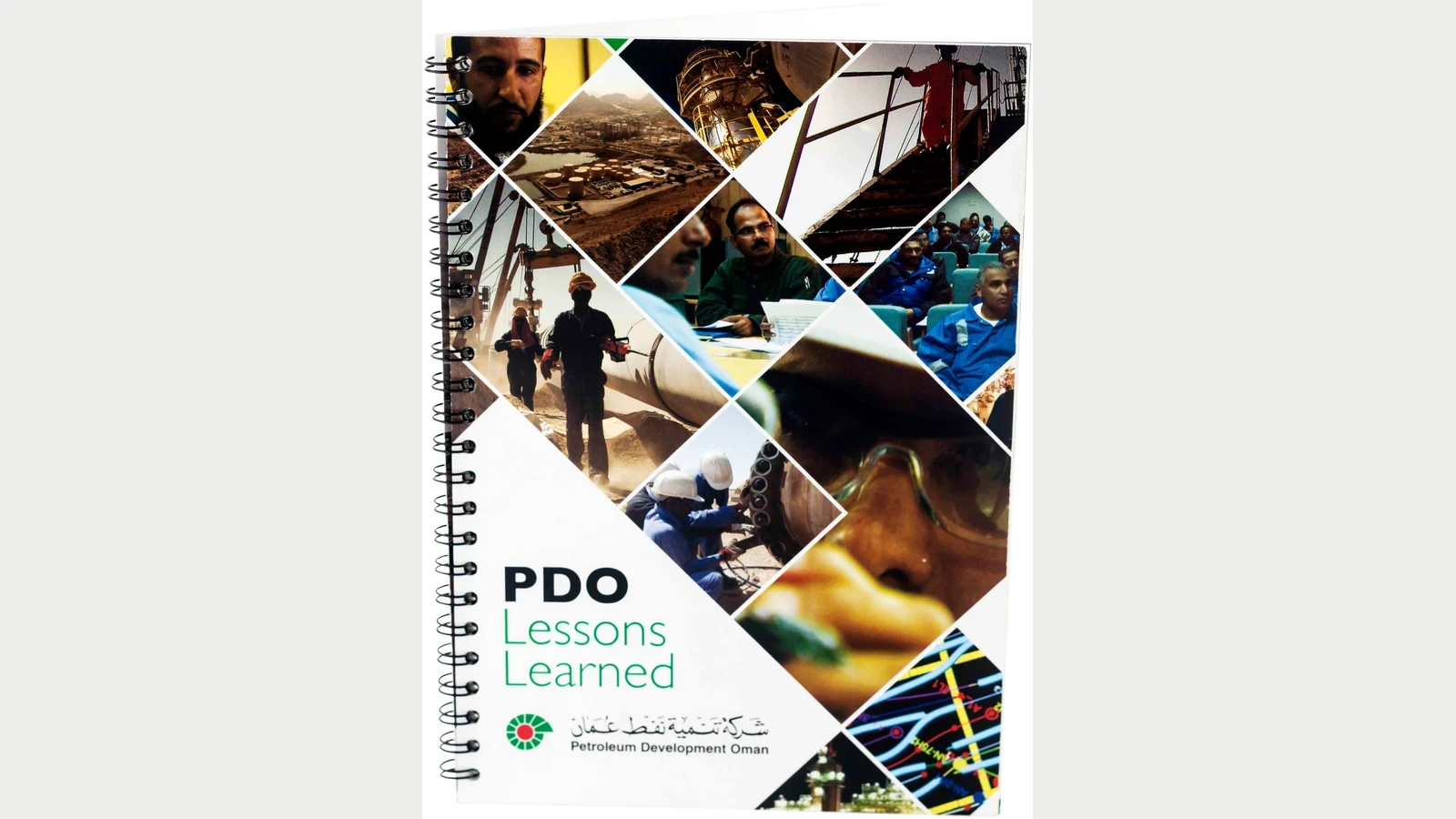
A printed lessons learned handbook produced for Petroleum Development Oman.
Services
Content Production
PowerPoint Materials
Trainer-led deck rebuilds
/services/powerpoint-training-materials
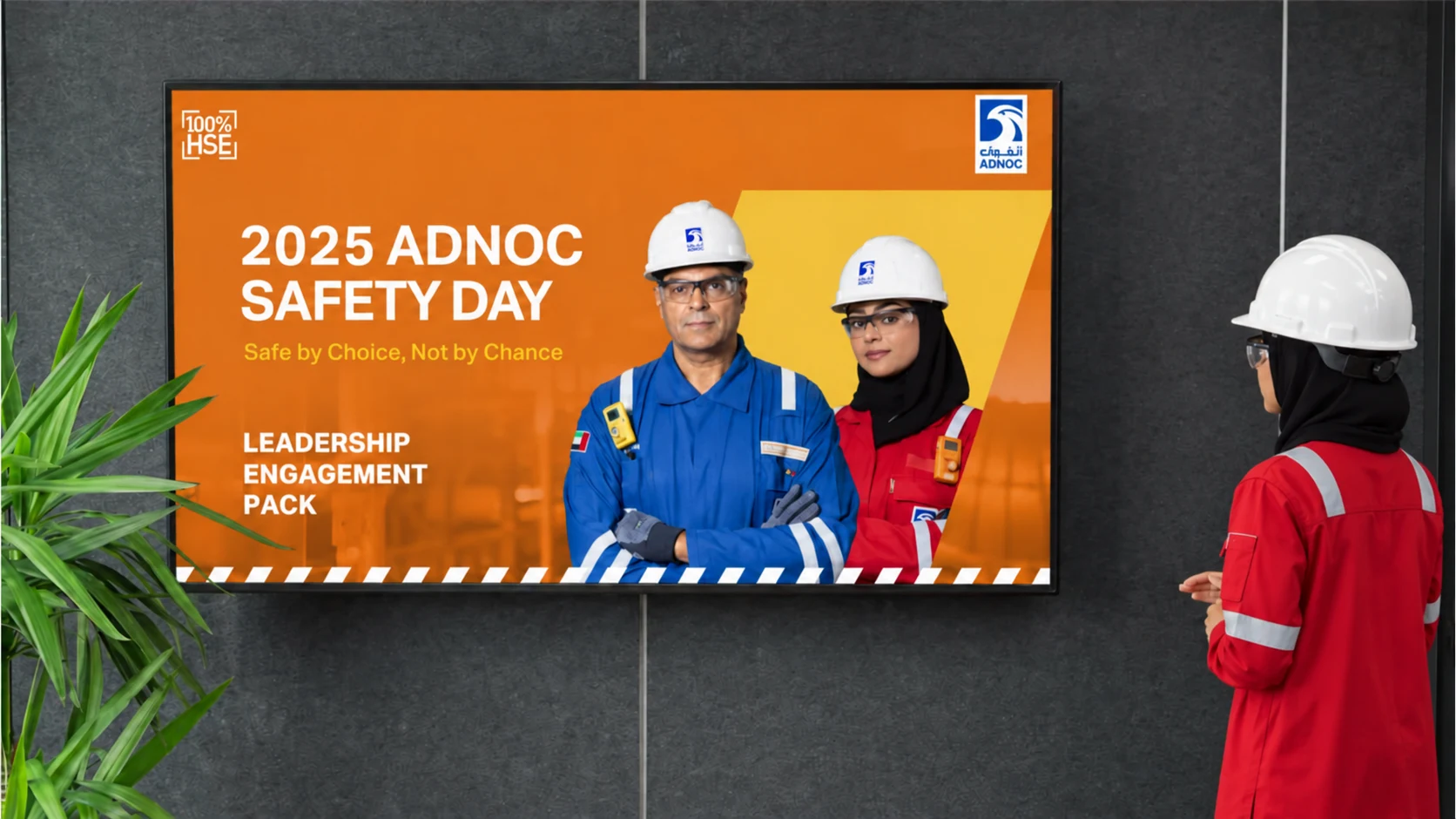
Presenting an ADNOC Safety Day engagement deck.
Services
Interactive Training
E-Learning
SCORM online modules
/services/e-learning
Scenario questions inside a client e-learning module.

Services
Interactive Training
Virtual Reality (VR)
Immersive headset training
/services/virtual-reality-vr-training
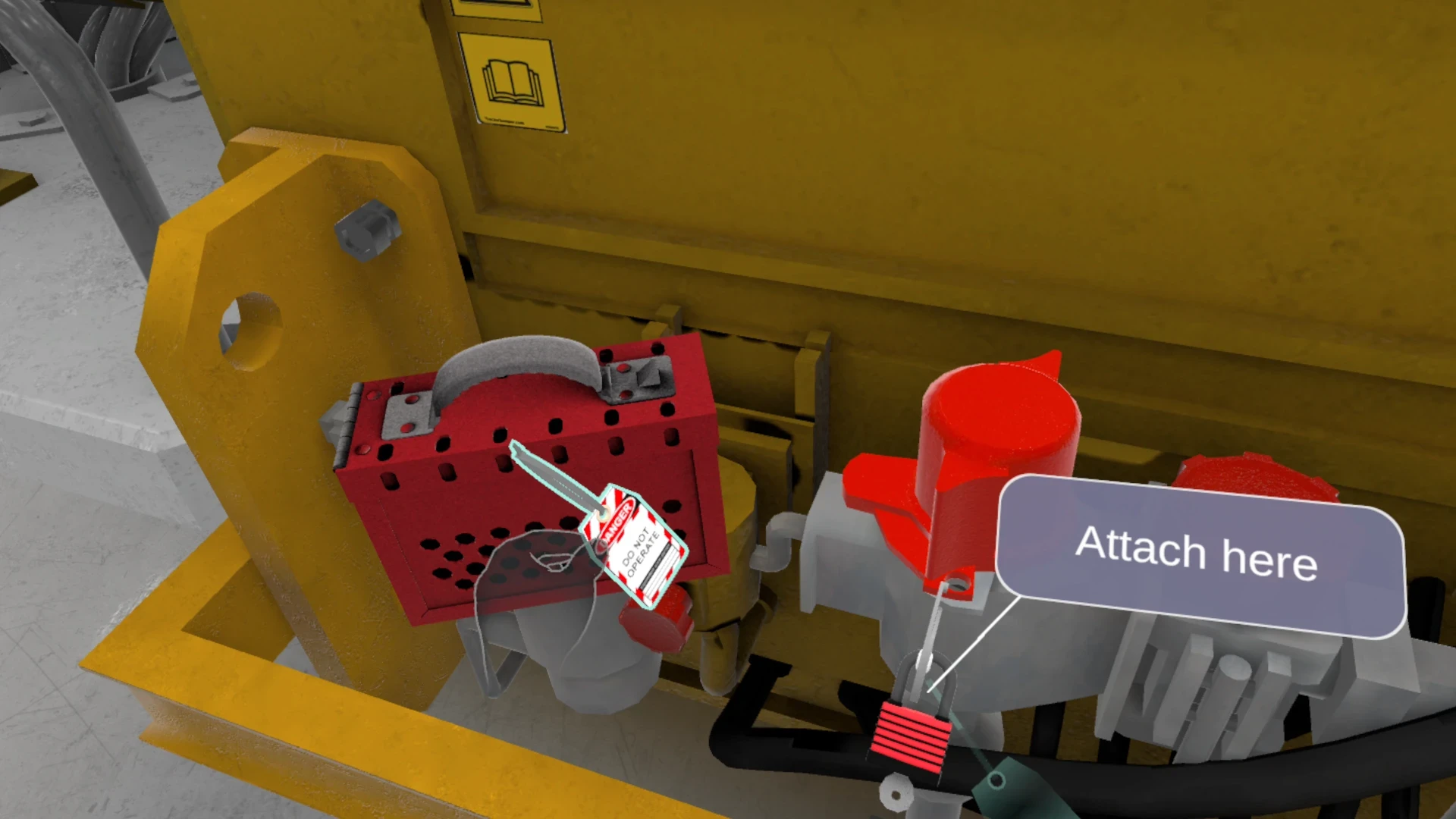
Lockout tagout training with full hand tracking in VR.
Services
Interactive Training
Flat-Screen Simulations
Desktop, web & mobile simulations
/services/flat-screen-simulation-training
SHIIFT simulations running on laptops and mobile devices.

Services
Interactive Training
Digital Twins
Navigable sites & equipment
/services/digital-twins
A navigable 3D replica of Nutrien's ammonia transfer plant.
Approach
How We Work
Our approach
Analysis, design, delivery, validation
/approach
Approach
How We Work
SCORM & LMS Integration
Tracking in your systems
/services/scorm-lms-integration
Approach
How We Work
Scenario-Based Assessments
Competency you can prove
/services/scenario-based-assessments