←
All articles
Virtual Reality
Training for Situational Awareness: Preparing Workers for the Unpredictable
·

What Is Situational Awareness?
Situational awareness is the ability to perceive your surroundings, understand what is happening, and anticipate what might happen next. This skill is crucial for workplace safety, helping workers recognize hazards, make informed decisions, and respond effectively when the unexpected occurs. Workers with strong situational awareness not only protect themselves but also contribute to a safer environment for everyone.
Why Training for Situational Awareness Matters
Training for situational awareness transforms a theoretical concept into a practical skill. By investing in such training, organizations empower employees to spot risks, prevent incidents, and respond confidently to emergencies. Enhanced awareness leads to better decision-making, improved communication, and increased employee confidence. These benefits translate into lower accident rates, reduced turnover, and a more secure workplace. Core Elements of Effective Training
Systematic Observation: Workers learn to observe their environment consistently, recognizing what is normal and quickly identifying anything unusual. This process involves a repeatable approach that helps individuals spot potential threats before they escalate.
Mental and Physical Practice: Mental rehearsal allows employees to imagine various scenarios and consider their responses. Physical practice, such as walking through emergency exits or role-playing incidents, reinforces these mental scripts, making reactions more instinctive during real events.
Understanding Human Factors: Training should address how stress, fatigue, and distractions can impair awareness. Workers need strategies to manage these factors, such as taking breaks, minimizing electronic distractions, and maintaining healthy sleep routines.
Frameworks and Techniques: Widely used frameworks like OODA (Observe, Orient, Decide, Act) and SLAM (Stop, Look, Assess, Manage) provide clear steps for workers to follow in dynamic situations. These methods encourage thoughtful assessment and prompt action, both of which are vital in unpredictable circumstances.
Practical Exercises and Real-World Application of Situational Awareness Training
Effective situational awareness training includes a mix of lectures, interactive videos, and hands-on exercises. For example, employees might practice identifying hazards in their work area, simulate emergency responses, or participate in discussions about past incidents. These activities build confidence and ensure that workers are prepared to act, not just react, when faced with the unexpected.
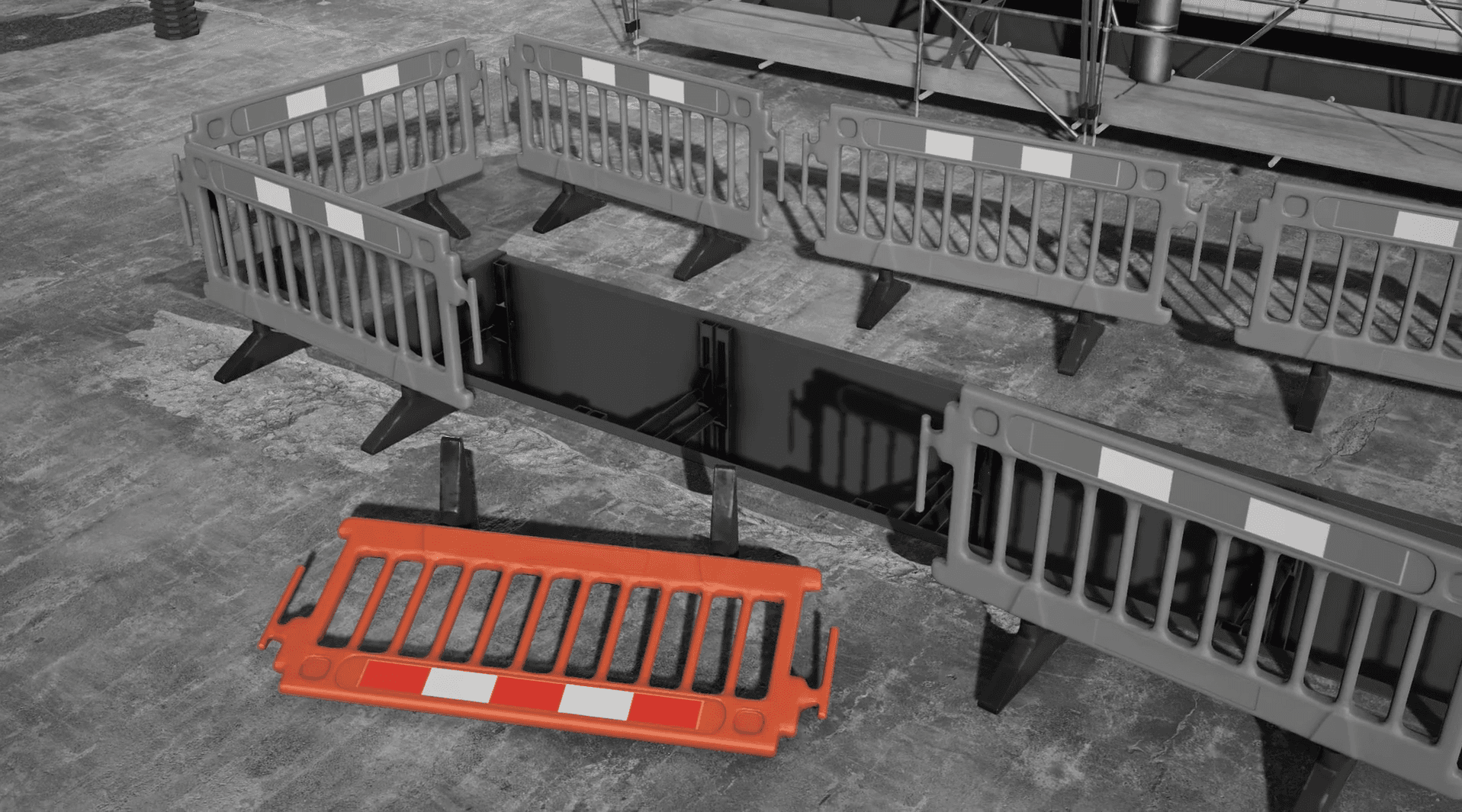
{caption}Hazard recognition in situational awareness training for Working at Height
Using Modern Solutions: Simulation-Based and Virtual Reality Training
Modern training solutions, including web-based, desktop-based, and virtual reality (VR) simulations, are transforming how workers develop situational awareness. These technologies create immersive, interactive environments that closely mimic real work settings, allowing employees to practice recognizing hazards and responding to dynamic situations without exposure to actual danger.
Simulations are uniquely positioned to incorporate both hazardous and non-hazardous elements that workers must learn to identify. For example, VR training modules can include scenarios like obstructed walkways, equipment malfunctions, or even routine operations with subtle hazards present. This variety ensures that workers practice not only responding to clear dangers but also maintaining vigilance in seemingly normal situations Unique Advantages of Simulation Training
Realistic Practice Without Risk: Simulations can recreate hazardous scenarios that would be too dangerous or impractical to stage in real life. Workers can experience everything from blocked exits to moving machinery and noise hazards, all within a safe, controlled setting. This approach enables repeated practice and learning from mistakes, which is essential for building strong situational awareness skills.
Customizable Scenarios: Training modules can be tailored to reflect the specific risks and routines of different industries or roles. Whether through web-based simulations or VR modules, scenarios can be adjusted in complexity and content, ensuring relevance for both new hires and experienced employees.
Train for Rare Situations: One particularly useful benefit is designing simulations with the intention of including rare situations that workers aren’t accustomed to visualising and understanding how to react to, because these simulations allow them to be more readily aware of how to recognise these situations in the real world.
Immersive Engagement: Virtual reality, in particular, engages multiple learning systems in the brain by providing a fully immersive experience. By placing workers in lifelike environments, VR helps them develop cognitive, behavioural, and emotional responses to real-world hazards, enhancing both knowledge and resilience under stress.
Safe Error Correction: Simulations offer a risk-free environment for making and correcting mistakes. Workers can receive immediate feedback, review their decisions, and refine their responses, which accelerates learning and builds confidence.
Assessment and Measurement: Many simulation platforms incorporate assessment tools that freeze scenarios at key moments, prompting learners to assess the situation, predict outcomes, and explain their planned actions. This technique helps trainers identify gaps in situational awareness and target further instruction.
Building a Culture of Awareness in the Workplace
Organizations that prioritize situational awareness foster a proactive safety culture. Leaders should encourage open communication, empower employees to report hazards, and regularly review emergency protocols. Providing clear roles, accessible resources, and ongoing training ensures that every team member knows how to respond when the unpredictable happens.
SHIIFT Examples of Organisational Situational Awareness Training Simulations
SHIIFT stands at the forefront of the simulation training industry, known for delivering innovative, immersive, and effective solutions that help organizations train their workforce for real-world challenges. With a proven track record of success, SHIIFT’s training programs are designed to put users directly into realistic workplace environments, allowing them to practice identifying hazards and responding to unpredictable or rare situations using their situational awareness skills.
Below are two standout examples from SHIIFT’s portfolio that showcase how our solutions enable hands-on, risk-free training for situational awareness.
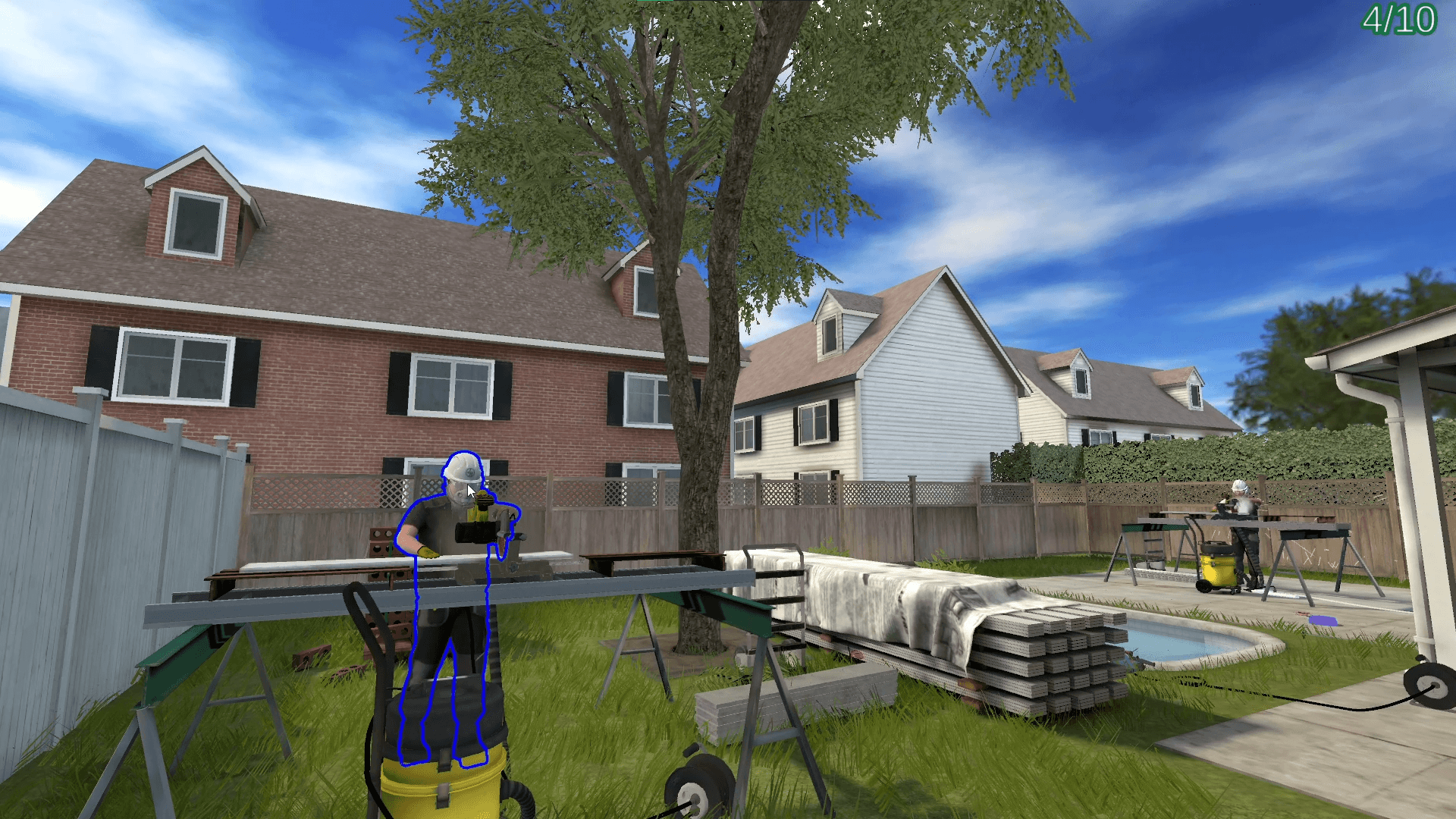
Desktop-Based Training Example: James Hardie Jobsite Safety Training This desktop-based simulation was developed for James Hardie to address the persistent safety risks found on construction sites, such as trip hazards, silica dust exposure, and improper manual handling. The training immerses users in a detailed 3D simulation of a James Hardie construction site, focusing on the cladding process.
Workers are tasked with exploring the site, identifying ten unique safety risks, and interacting with each hazard to trigger assessments and quizzes. The simulation features realistic animations, voiceovers, and sound effects, making the experience engaging and authentic. By integrating with James Hardie’s learning management system, the training tracks individual performance, highlights knowledge gaps, and ensures that retraining can be targeted where it is needed most.
This approach allows workers to build their situational awareness in a safe, virtual environment, practicing the recognition and management of hazards as they would on an actual jobsite, but without any risk to their safety.
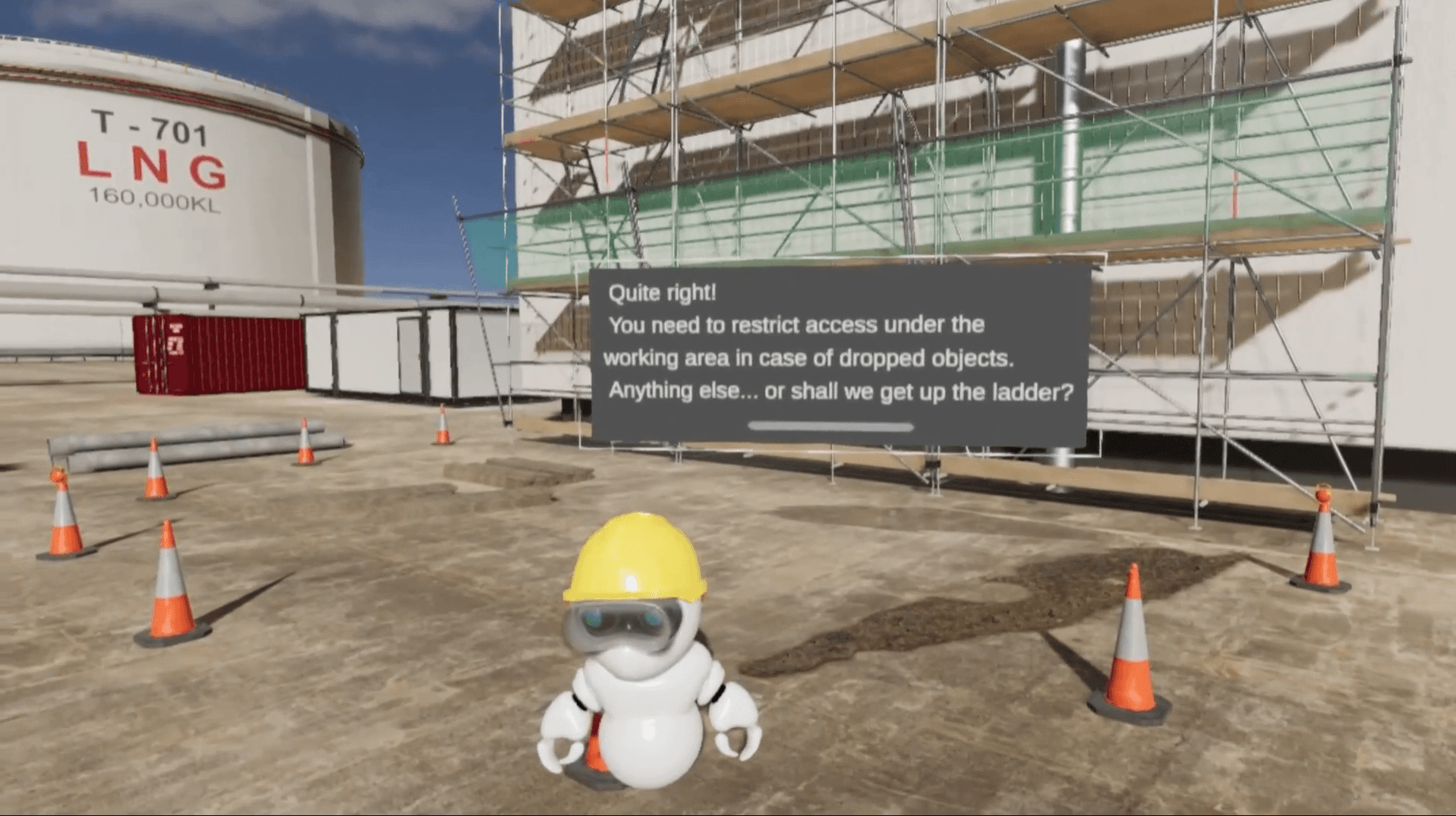
VR-Based Simulation Training: Working at Height The Working at Height VR training is designed to tackle one of the leading causes of workplace injuries and fatalities in construction and industrial settings. This virtual reality experience places trainees in lifelike scenarios where they must identify and respond to hazards associated with working at height.
Guided by a virtual supervisor, users navigate simulated environments, make decisions about when to stop work, and learn best practices for safety compliance. The VR format maximizes engagement and retention, allowing trainees to visualize risks and practice responses in a completely safe setting. By using VR, we enabled organizations to deliver powerful, hands-on situational awareness training that would be impossible to replicate safely in the real world.
Why Choose SHIIFT? Our simulation-based trainings are uniquely positioned to help workers develop situational awareness by offering realistic practice in environments that mirror their actual workplaces. Whether through desktop simulations or cutting-edge virtual reality, SHIIFT’s solutions allow employees to experience, identify, and manage hazards in a controlled, risk-free setting, building the confidence and skills they need to stay safe on the job.
Conclusion
Training for situational awareness equips workers with the knowledge, confidence, and skills to navigate the unpredictable. Through systematic observation, practical exercises, and proven frameworks, employees become better prepared to recognize risks, make quick decisions, and keep themselves and their colleagues safe. This investment not only reduces accidents but also builds a resilient, alert, and empowered workforce.
If you’re interested in this type of training, start a conversation with the button below!
Solutions
Safety Training
Hazard recognition
Spot risks before incidents
/solutions/hazard-recognition-training
Solutions
Safety Training
Life-Saving Rules
Critical rules as decisions
/solutions/life-saving-rules-training
Solutions
Safety Training
Behavioral safety
Stop work authority, used
/solutions/behavioral-safety-training
Solutions
Safety Training
Hand safety
Fewer hand injuries
/solutions/hand-safety-training
Solutions
Safety Training
PPE selection & use
The right kit, worn right
/solutions/ppe-training
Solutions
Safety Training
H2S & gas awareness
The invisible hazard, visible
/solutions/h2s-gas-awareness-training
Solutions
Safety Training
Fire & emergency response
Beyond the routine drill
/solutions/fire-safety-emergency-response-training
Solutions
Safety Training
Toolbox talks
Five strong minutes weekly
/solutions/toolbox-talk-content
Solutions
Safety Training
Permit to work
PTW judgment scenarios
/solutions/permit-to-work-training
Solutions
Safety Training
Isolation & LOTO
Safe energy isolation
/solutions/isolation-lockout-tagout-training
Solutions
Safety Training
Confined space entry
Entries and rescue response
/solutions/confined-space-entry-training
Solutions
Safety Training
Working at height
Falls and dropped objects
/solutions/working-at-height-training
Solutions
Safety Training
Lifting & rigging
Safer critical lifts
/solutions/lifting-rigging-training
Solutions
Safety Training
Hot work
Sparks under control
/solutions/hot-work-training
Solutions
Safety Training
Line of fire
See the energy path
/solutions/line-of-fire-training
Solutions
Safety Training
Driver safety
Safer driving and journeys
/solutions/driver-safety-training
Solutions
Safety Training
Electrical safety
Safe isolation, arc flash aware
/solutions/electrical-safety-training
Solutions
Safety Training
Excavation work
Trenches and buried services
/solutions/excavation-safety-training
Solutions
Safety Training
Ergonomics
Strain prevention that sticks
/solutions/ergonomics-training
Solutions
Safety Training
Situational awareness
Noticing change on site
/solutions/situational-awareness-training
Solutions
Onboarding & People
Site orientation
Inductions before day one
/solutions/site-orientation-onboarding
Solutions
Onboarding & People
Expatriate workforce
Localized multilingual training
/solutions/expatriate-workforce-training
Solutions
Onboarding & People
Visitor inductions
Pre-arrival essentials
/solutions/visitor-induction-training
Solutions
Onboarding & People
Leadership training
Judgment, developed
/solutions/leadership-training
Solutions
Onboarding & People
Soft skills
Conversations that work
/solutions/soft-skills-training
Solutions
Onboarding & People
Safety leadership
Frontline supervisor skills
/solutions/safety-leadership-training
Solutions
Onboarding & People
Human factors
Error traps and defenses
/solutions/human-factors-training
Solutions
Operations & Technical
Process & procedures
Step-by-step competence
/solutions/process-procedure-training
Solutions
Operations & Technical
Operational readiness
Ready before start-up
/solutions/operational-readiness
Solutions
Operations & Technical
Technical training
Complex systems explained
/solutions/technical-training
Solutions
Operations & Technical
Control room & DCS
Alarms and upset response
/solutions/control-room-training
Solutions
Operations & Technical
Crane operation
Operators, banksmen, supervisors
/solutions/crane-operation-training
Solutions
Operations & Technical
Forklift operation
Operators, pedestrians, supervisors
/solutions/forklift-operation-training
Solutions
Operations & Technical
Maintenance & turnarounds
Outage preparation
/solutions/maintenance-turnaround-training
Solutions
Operations & Technical
Process safety
Barriers made visible
/solutions/process-safety-training
Solutions
Compliance & Modernization
Lessons learned (LFI)
Incidents into training
/solutions/lessons-learned-training
Solutions
Compliance & Modernization
Spill response
Environmental first response
/solutions/spill-response-training
Solutions
Compliance & Modernization
Hazardous materials
Storage, handling, transport
/solutions/hazardous-materials-training
Solutions
Compliance & Modernization
Security awareness
Physical and cyber vigilance
/solutions/security-awareness-training
Services
Content Production
Training Videos
Filmed through our global crew network
/services/workplace-safety-training-videos
A safety orientation film produced for Milestone Environmental Services.

Services
Content Production
2D & 3D Animation
Engineering-accurate visuals
/services/2d-3d-animation
From a 3D animation built to supplement an ADNOC e-learning module.

Services
Content Production
Safety Campaigns
Sustained behavior change
/services/safety-campaigns
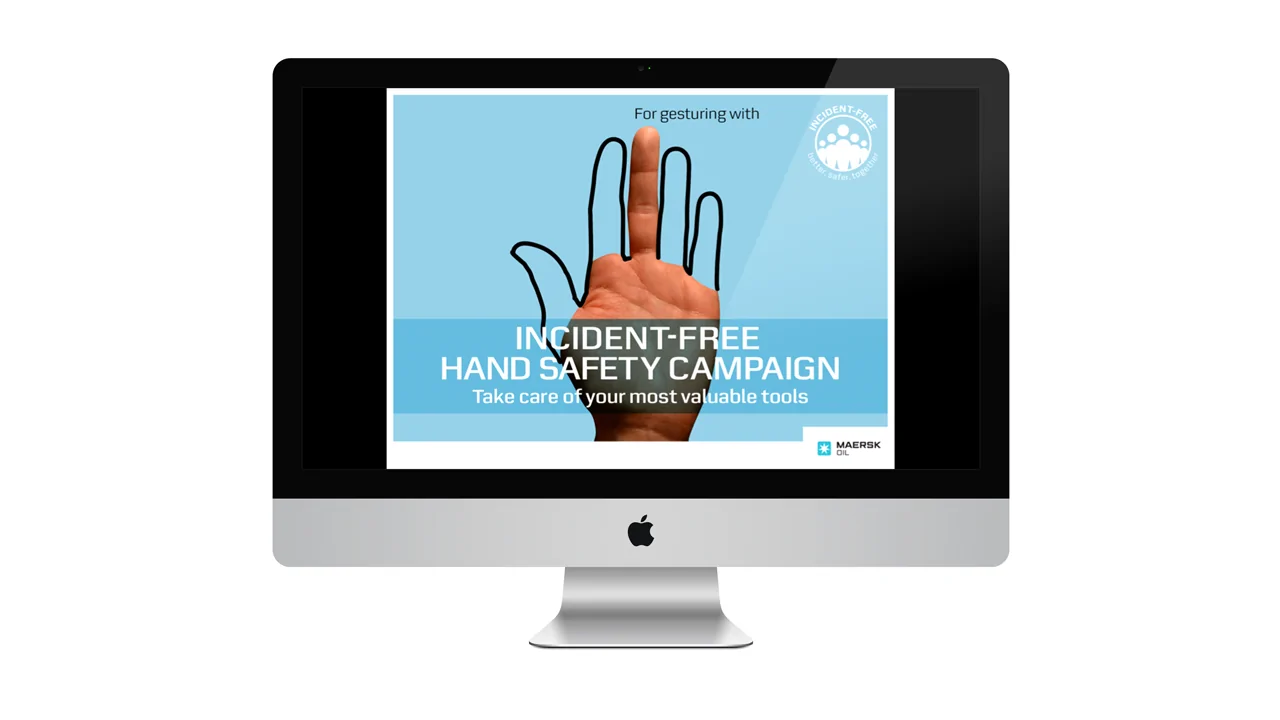
The award-recognized Maersk hand safety campaign.
Services
Content Production
Training posters & print
Site-specific print & visual aids
/services/training-posters
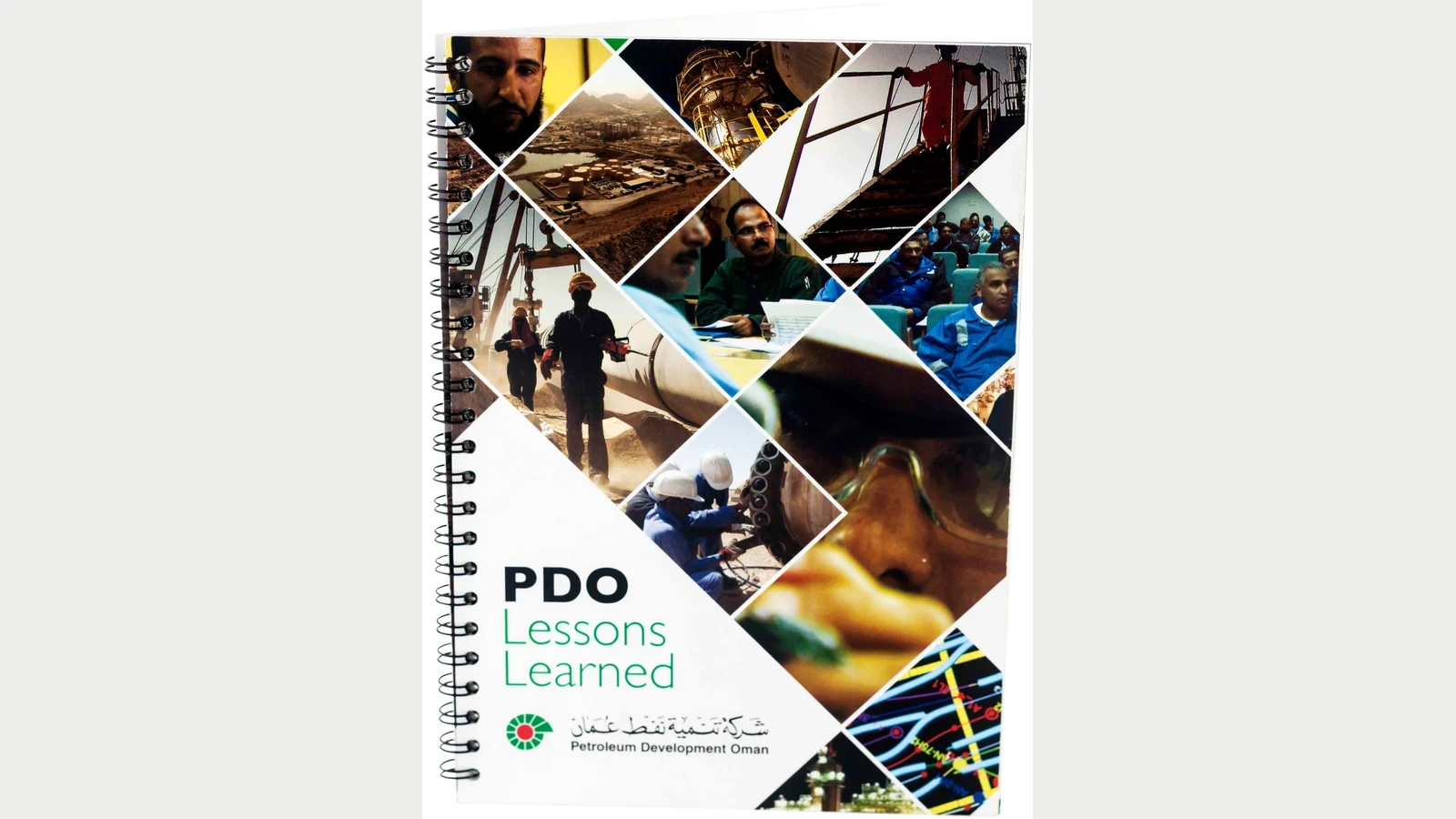
A printed lessons learned handbook produced for Petroleum Development Oman.
Services
Content Production
PowerPoint Materials
Trainer-led deck rebuilds
/services/powerpoint-training-materials
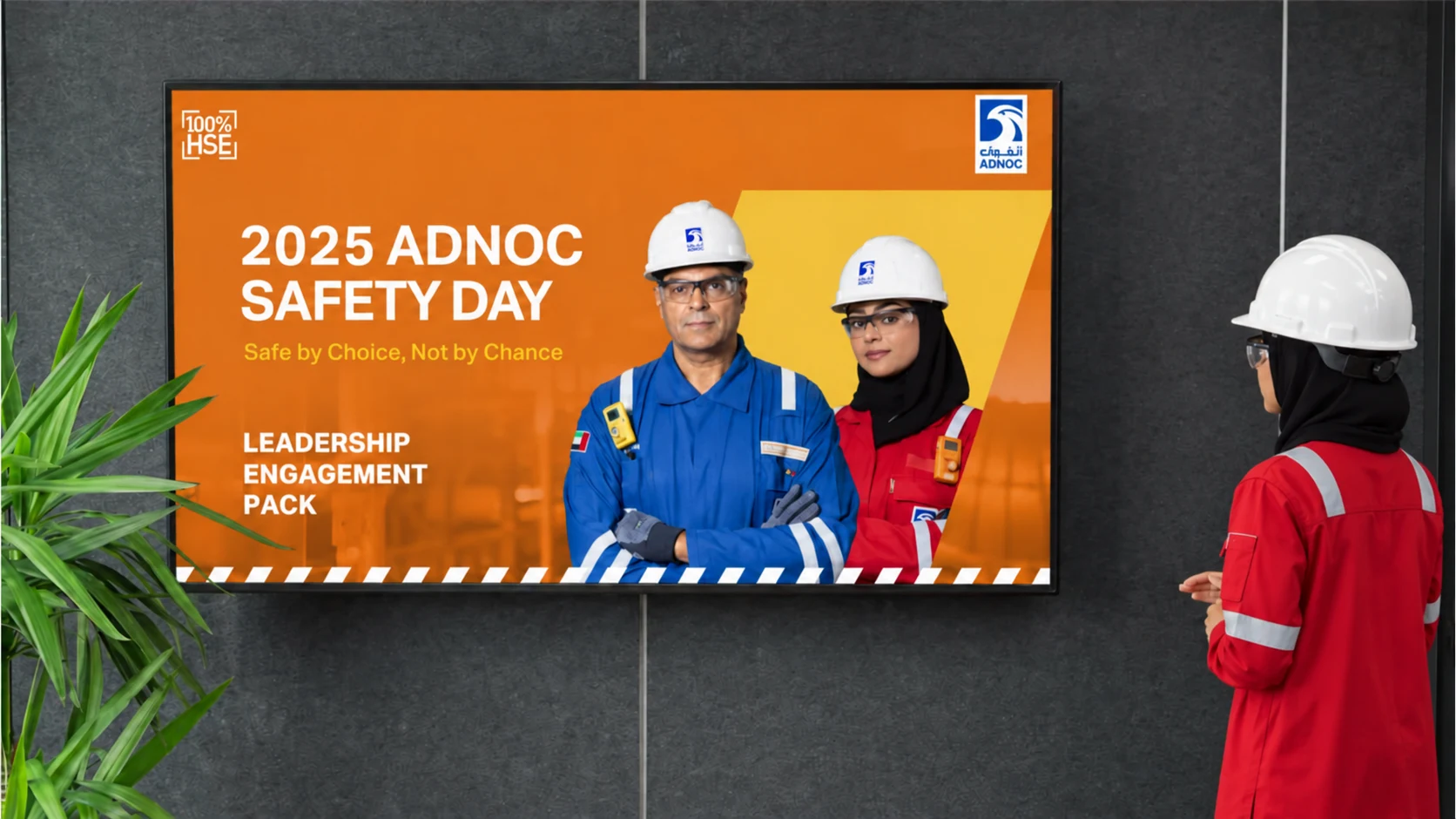
Presenting an ADNOC Safety Day engagement deck.
Services
Interactive Training
E-Learning
SCORM online modules
/services/e-learning
Scenario questions inside a client e-learning module.

Services
Interactive Training
Virtual Reality (VR)
Immersive headset training
/services/virtual-reality-vr-training
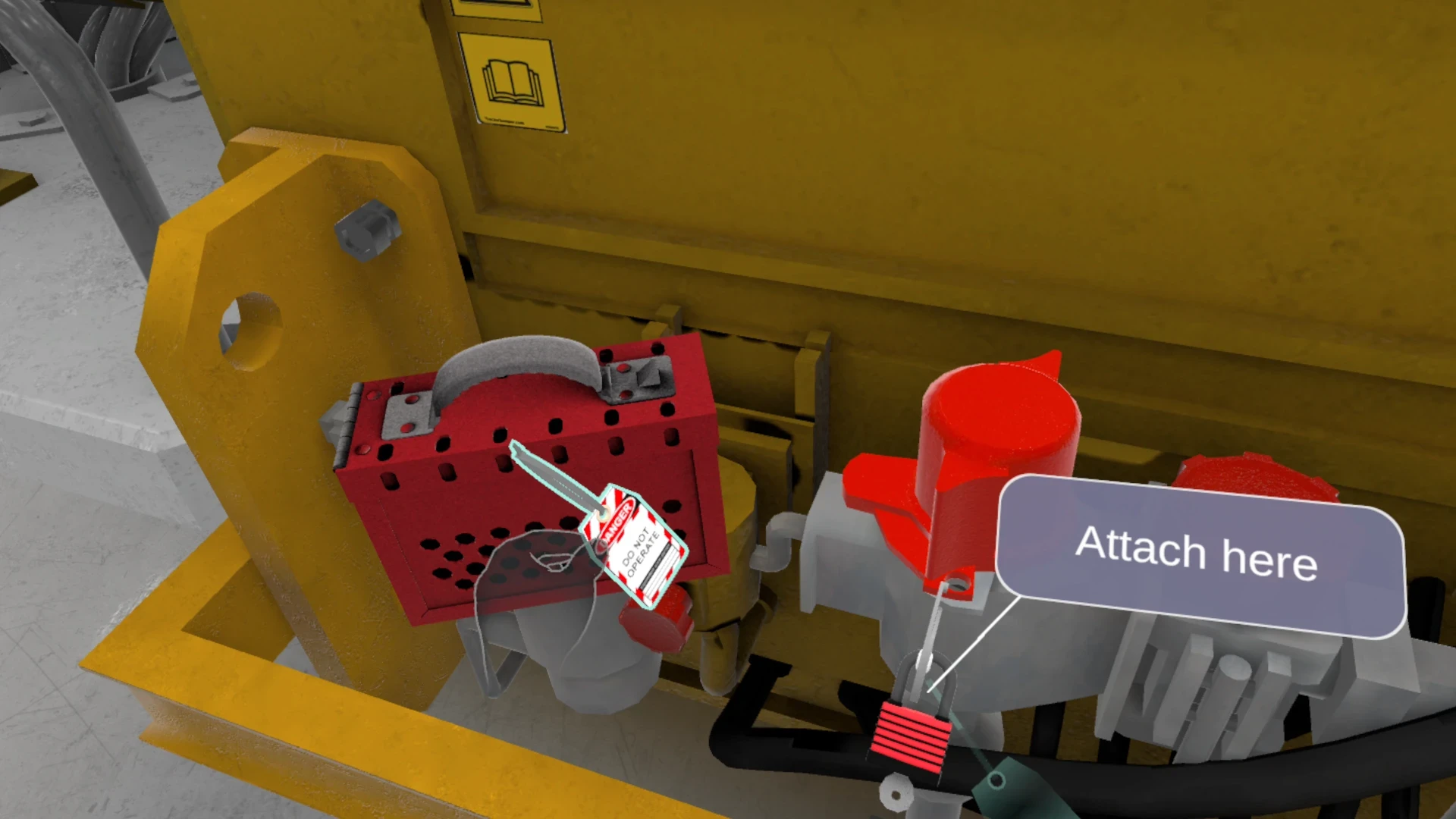
Lockout tagout training with full hand tracking in VR.
Services
Interactive Training
Flat-Screen Simulations
Desktop, web & mobile simulations
/services/flat-screen-simulation-training
SHIIFT simulations running on laptops and mobile devices.

Services
Interactive Training
Digital Twins
Navigable sites & equipment
/services/digital-twins
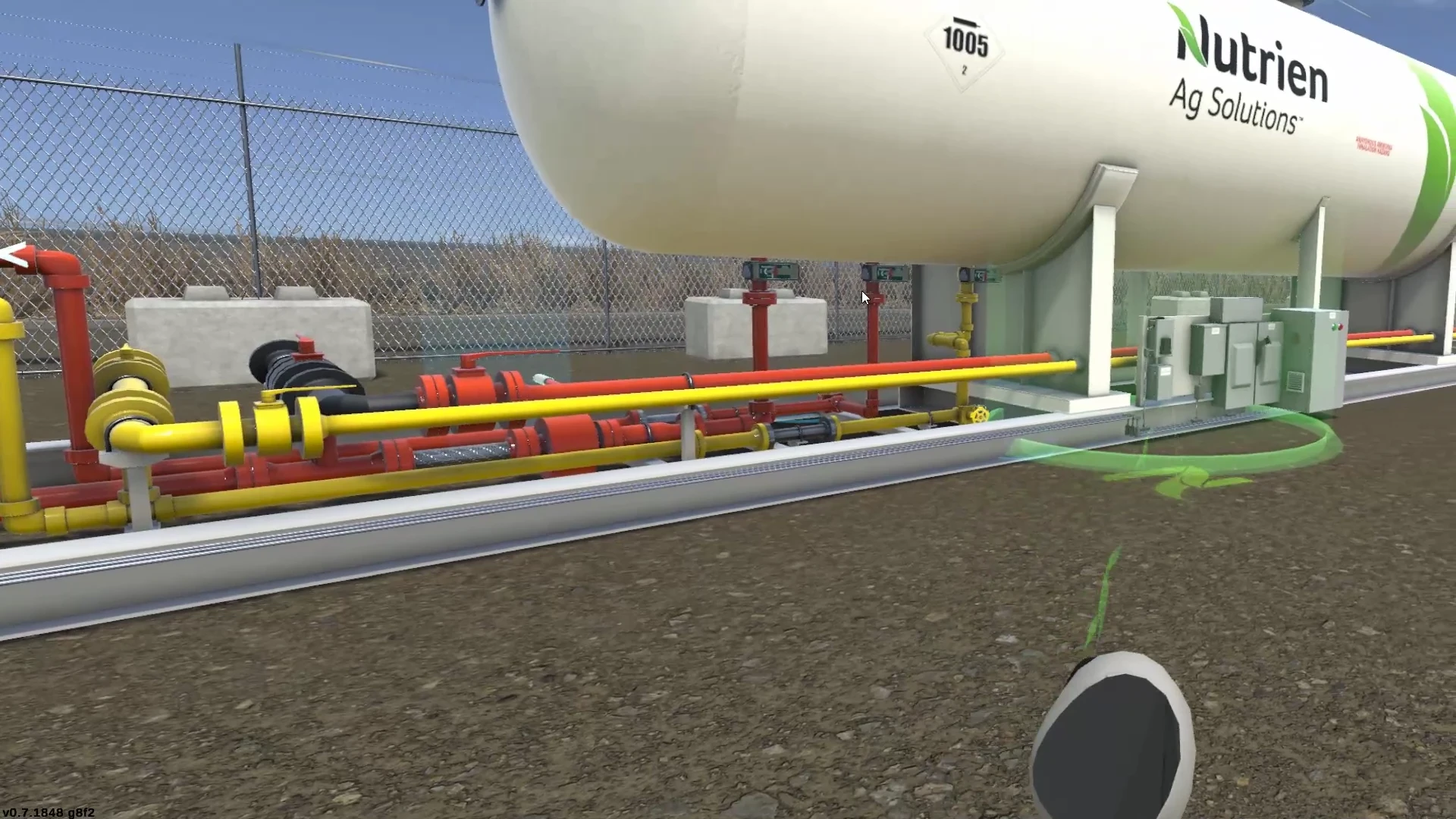
A navigable 3D replica of Nutrien's ammonia transfer plant.
Approach
How We Work
Our approach
Analysis, design, delivery, validation
/approach
Approach
How We Work
SCORM & LMS Integration
Tracking in your systems
/services/scorm-lms-integration
Approach
How We Work
Scenario-Based Assessments
Competency you can prove
/services/scenario-based-assessments