
On energy, construction, logistics and manufacturing sites, contractors can make up a large part of the workforce and may carry out some of the highest-risk tasks. They arrive from different companies with different safety systems, sometimes for short periods, and they need to understand a site's hazards and rules. A contractor safety induction gives them that information before they start work.
Why are contractors at higher risk?
Oil and gas industry data shows the gap. The International Association of Oil & Gas Producers (IOGP) collects safety data from member companies and their contractors. Its IOGP safety performance indicators report for 2022 and the IOGP safety performance indicators report for 2023 both show contractors accounting for most of the fatalities that member companies reported, and a higher fatal accident rate for contractor staff than for company employees in both years. IOGP's fatal accident rate is the number of fatalities per 100 million work hours, so it accounts for differences in hours worked.
Several factors help explain why contractors can face more risk:
They may be new to the site and its hazards.
Short engagements leave less time to learn local rules and habits.
Specialist contractors can be brought in for the highest-risk work, such as turnarounds, confined space entry, lifting and work at height.
They work under their own employer's procedures as well as the host site's, and the two may differ.
Multiple tiers of subcontracting can dilute communication between the site owner and the people doing the work.
Contractor crews may include many nationalities and first languages.
What do the regulations expect?
Responsibility for contractor safety is shared between the host employer and the contracting company, and OSHA spells this out.
OSHA's Process Safety Management standard (29 CFR 1910.119) sets out contractor duties in paragraph (h). They apply to contractors carrying out maintenance, repair, turnaround, major renovation or specialty work on or next to a covered process. The host employer must inform contract employers of the known process hazards related to their work and explain the relevant parts of the emergency action plan. The contract employer must make sure each of its employees is trained in the work practices needed to do the job safely and instructed in those hazards and the emergency plan. It must also keep a record of each employee's training, including the means used to verify that the employee understood it.
Sites outside PSM have a reference point too. OSHA's recommended practices for communication and coordination between host employers, contractors and staffing agencies say that before coming on site, contractors and their workers should be aware of the types of hazards that may be present, and that the host employer should communicate with them about nonroutine and emergency hazards and emergency procedures. The same guidance calls for host employers to make sure staffing agency workers are adequately trained and equipped before they arrive.
Under OSHA's PSM contractor requirements, the host informs contract employers about process hazards and the emergency plan, and each contract employer trains its own people and records how their understanding was checked.
What should a contractor safety induction cover?
The content depends on the site and the work, but a contractor induction should cover:
the site's main hazards, including process hazards such as toxic gas or flammable atmospheres where they apply;
site rules and life-saving rules, and what happens if they're broken;
the permit-to-work system and how contractors fit into it;
emergency arrangements, including alarms, muster points, escape routes and who to report to;
PPE requirements for the site and specific areas;
access control, restricted areas, vehicle routes and pedestrian walkways;
how to report hazards, near misses, incidents and injuries, and the right to stop work;
who the contractor's host contact is and how supervision works;
welfare arrangements and site facilities;
expectations around safety culture and behavior.
Contractors bring general trade competence. The induction adds what's specific to your site: where the hazards are, how your permit system works, who to call and what to do when your alarm sounds. The article on hazard recognition training covers how to help people spot hazards in an unfamiliar environment.
Should contractor inductions happen before arrival or at the gate?
Each option has advantages, and sites can use both.
A pre-arrival induction, completed online or through the contracting company before mobilization, covers general site rules and hazards. People arrive knowing the basics, and the host can confirm completion before issuing access. The weakness is that it can't cover live conditions, and there's limited control over who actually completes it.
An on-site induction at the gate or on the first morning allows for site-specific detail, current conditions such as active work areas and simultaneous operations, a walkthrough of muster points and escape routes, and face-to-face questions. It takes longer and depends on the person delivering it.
A two-part approach can combine the strengths of each: a consistent pre-arrival module covering the core content, followed by a shorter on-site briefing that covers today's conditions and confirms identity and understanding.
How do you check contractors understood the induction?
Attendance doesn't prove understanding, and the PSM standard's contractor training record requirement explicitly asks contract employers to record how understanding was verified. Practical methods include:
a short assessment on the points that matter most, such as emergency response and permit rules;
scenario questions that ask what the person would do in a specific situation on site;
a walkthrough where the contractor points out muster points, alarms, escape routes and restricted areas;
a supervisor check during the first shift;
assessments available in the languages the workforce uses.
Results should be recorded and linked to site access, so nobody starts work without a completed induction. Digital inductions can send results to an LMS through SCORM, or results can be tracked through a simpler web deployment.
How do you keep inductions consistent across contracting firms?
When several companies each induct their own people, the message can vary widely. The host organization is in the best position to own the core site induction and make sure every contractor receives the same version, whoever employs them. Contracting firms can then add job-specific training on top.
Producing the core induction as a fixed piece of content means every contractor gets the same message, whoever runs the session. A live presenter can then spend the on-site briefing on today's conditions and on questions. The article on custom induction videos looks at one way to build that fixed core.
Al Hosn Gas faced this challenge at the Shah Gas Development in Abu Dhabi. The workforce was multilingual and multinational, and rotating shift crews and frequent contractor mobilizations meant a steady flow of people to induct. The Shah Gas HSE induction film that SHIIFT produced was shot on site, using site employees as on-screen guides, which standardized the induction across all new starters and contractor mobilizations. A series of language-neutral 3D animations on the Life-Saving Rules was produced alongside it.
At Methanex's Geismar 3 project in Louisiana, the primary audience was a workforce made up mainly of contractors. The Methanex Geismar 3 onboarding video was made to give everyone a consistent understanding of expectations before entering the site. It included interviews with craft supervisors about the personal side of safety.
Consistency also means keeping the induction current. Review it when site rules or emergency arrangements change, and set a point at which returning contractors need to repeat it, such as after a long absence. The article on how to onboard and train new employees effectively covers related ground for permanent staff.
Common contractor induction mistakes
Treating the induction as a gate formality. A long briefing delivered to a tired crew at 6 a.m. can tick the box without anyone remembering where the muster point is.
Covering general safety the contractor already knows. Generic PPE advice takes time away from this site's specific hazards.
Letting each contracting firm deliver its own version. The site owner loses control of the message.
Recording attendance and calling it understanding. PSM asks for the means used to verify understanding, which a signature on its own doesn't show.
Never updating the induction. An induction that shows last year's layout or a retired alarm tone teaches the wrong response.
What a good contractor induction process looks like
The host owns one core induction that every contractor receives, whoever employs them.
The content focuses on this site's hazards, rules, permits and emergency response.
General content is completed before arrival where possible, and a short on-site briefing covers current conditions.
Understanding is checked with questions, a short scenario, a walkthrough or a supervisor check, and the method is recorded.
Completion is linked to site access.
The induction works for every language on site.
It's reviewed whenever rules or emergency arrangements change, with a set point for returning contractors to repeat it.
Solutions
Safety Training
Hazard recognition
Spot risks before incidents
/solutions/hazard-recognition-training
Solutions
Safety Training
Life-Saving Rules
Critical rules as decisions
/solutions/life-saving-rules-training
Solutions
Safety Training
Behavioral safety
Stop work authority, used
/solutions/behavioral-safety-training
Solutions
Safety Training
Hand safety
Fewer hand injuries
/solutions/hand-safety-training
Solutions
Safety Training
PPE selection & use
The right kit, worn right
/solutions/ppe-training
Solutions
Safety Training
H2S & gas awareness
The invisible hazard, visible
/solutions/h2s-gas-awareness-training
Solutions
Safety Training
Fire & emergency response
Beyond the routine drill
/solutions/fire-safety-emergency-response-training
Solutions
Safety Training
Toolbox talks
Five strong minutes weekly
/solutions/toolbox-talk-content
Solutions
Safety Training
Permit to work
PTW judgment scenarios
/solutions/permit-to-work-training
Solutions
Safety Training
Isolation & LOTO
Safe energy isolation
/solutions/isolation-lockout-tagout-training
Solutions
Safety Training
Confined space entry
Entries and rescue response
/solutions/confined-space-entry-training
Solutions
Safety Training
Working at height
Falls and dropped objects
/solutions/working-at-height-training
Solutions
Safety Training
Lifting & rigging
Safer critical lifts
/solutions/lifting-rigging-training
Solutions
Safety Training
Hot work
Sparks under control
/solutions/hot-work-training
Solutions
Safety Training
Line of fire
See the energy path
/solutions/line-of-fire-training
Solutions
Safety Training
Driver safety
Safer driving and journeys
/solutions/driver-safety-training
Solutions
Safety Training
Electrical safety
Safe isolation, arc flash aware
/solutions/electrical-safety-training
Solutions
Safety Training
Excavation work
Trenches and buried services
/solutions/excavation-safety-training
Solutions
Safety Training
Ergonomics
Strain prevention that sticks
/solutions/ergonomics-training
Solutions
Safety Training
Situational awareness
Noticing change on site
/solutions/situational-awareness-training
Solutions
Onboarding & People
Site orientation
Inductions before day one
/solutions/site-orientation-onboarding
Solutions
Onboarding & People
Expatriate workforce
Localized multilingual training
/solutions/expatriate-workforce-training
Solutions
Onboarding & People
Visitor inductions
Pre-arrival essentials
/solutions/visitor-induction-training
Solutions
Onboarding & People
Leadership training
Judgment, developed
/solutions/leadership-training
Solutions
Onboarding & People
Soft skills
Conversations that work
/solutions/soft-skills-training
Solutions
Onboarding & People
Safety leadership
Frontline supervisor skills
/solutions/safety-leadership-training
Solutions
Onboarding & People
Human factors
Error traps and defenses
/solutions/human-factors-training
Solutions
Operations & Technical
Process & procedures
Step-by-step competence
/solutions/process-procedure-training
Solutions
Operations & Technical
Operational readiness
Ready before start-up
/solutions/operational-readiness
Solutions
Operations & Technical
Technical training
Complex systems explained
/solutions/technical-training
Solutions
Operations & Technical
Control room & DCS
Alarms and upset response
/solutions/control-room-training
Solutions
Operations & Technical
Crane operation
Operators, banksmen, supervisors
/solutions/crane-operation-training
Solutions
Operations & Technical
Forklift operation
Operators, pedestrians, supervisors
/solutions/forklift-operation-training
Solutions
Operations & Technical
Maintenance & turnarounds
Outage preparation
/solutions/maintenance-turnaround-training
Solutions
Operations & Technical
Process safety
Barriers made visible
/solutions/process-safety-training
Solutions
Compliance & Modernization
Lessons learned (LFI)
Incidents into training
/solutions/lessons-learned-training
Solutions
Compliance & Modernization
Spill response
Environmental first response
/solutions/spill-response-training
Solutions
Compliance & Modernization
Hazardous materials
Storage, handling, transport
/solutions/hazardous-materials-training
Solutions
Compliance & Modernization
Security awareness
Physical and cyber vigilance
/solutions/security-awareness-training
Services
Content Production
Training Videos
Filmed through our global crew network
/services/workplace-safety-training-videos
A safety orientation film produced for Milestone Environmental Services.

Services
Content Production
2D & 3D Animation
Engineering-accurate visuals
/services/2d-3d-animation
From a 3D animation built to supplement an ADNOC e-learning module.

Services
Content Production
Safety Campaigns
Sustained behavior change
/services/safety-campaigns
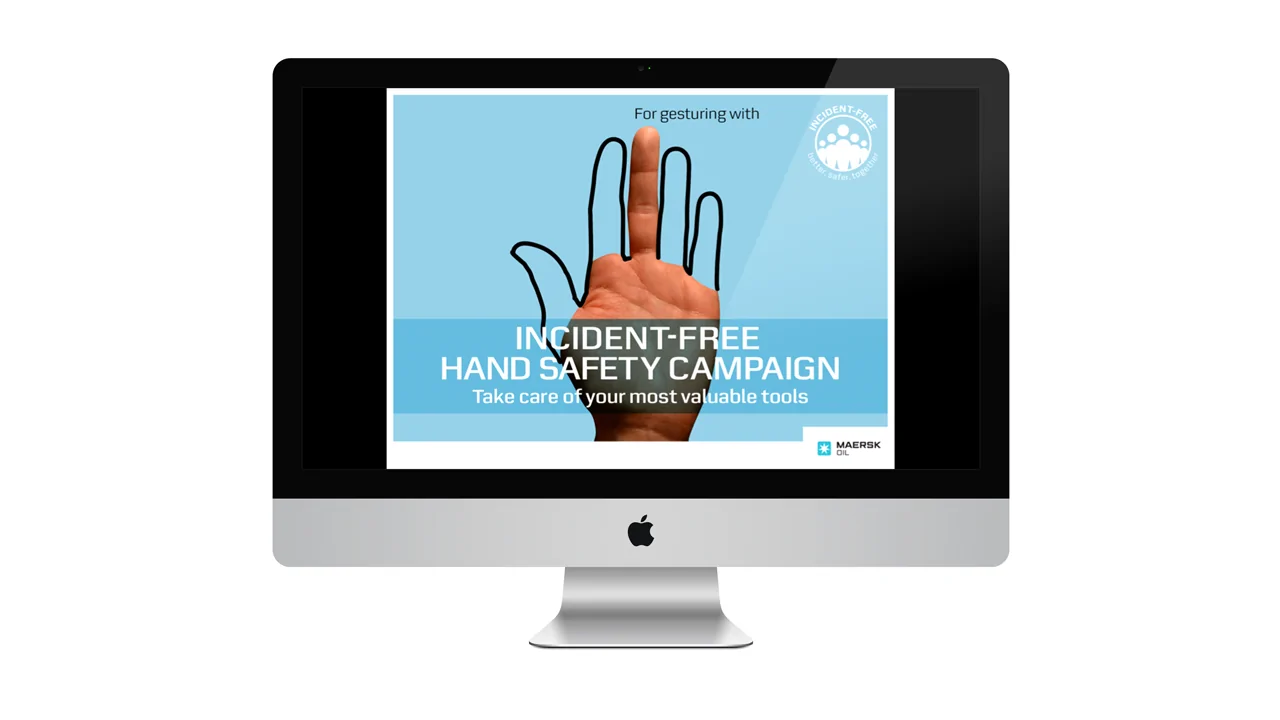
The award-recognized Maersk hand safety campaign.
Services
Content Production
Training posters & print
Site-specific print & visual aids
/services/training-posters
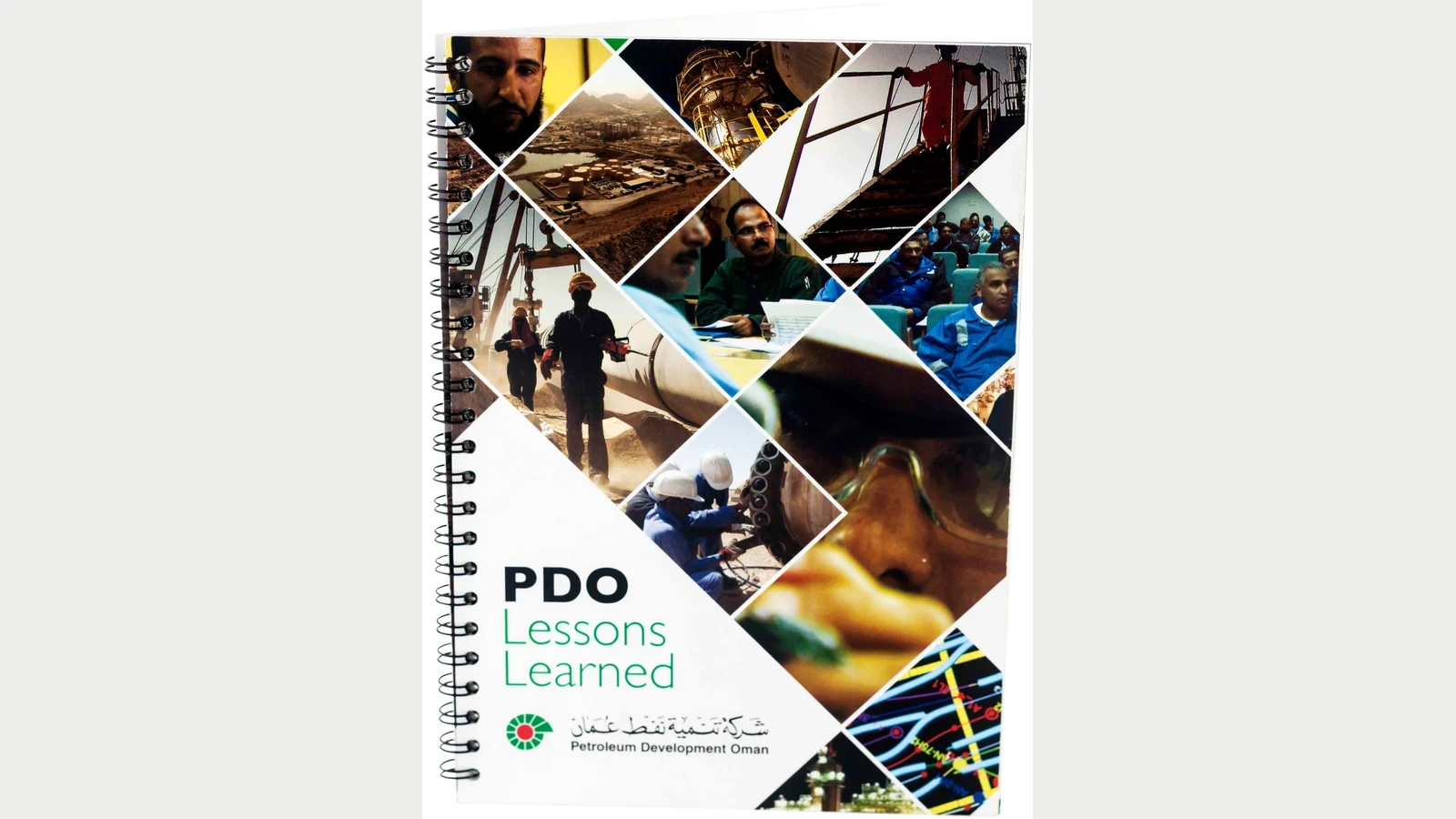
A printed lessons learned handbook produced for Petroleum Development Oman.
Services
Content Production
PowerPoint Materials
Trainer-led deck rebuilds
/services/powerpoint-training-materials
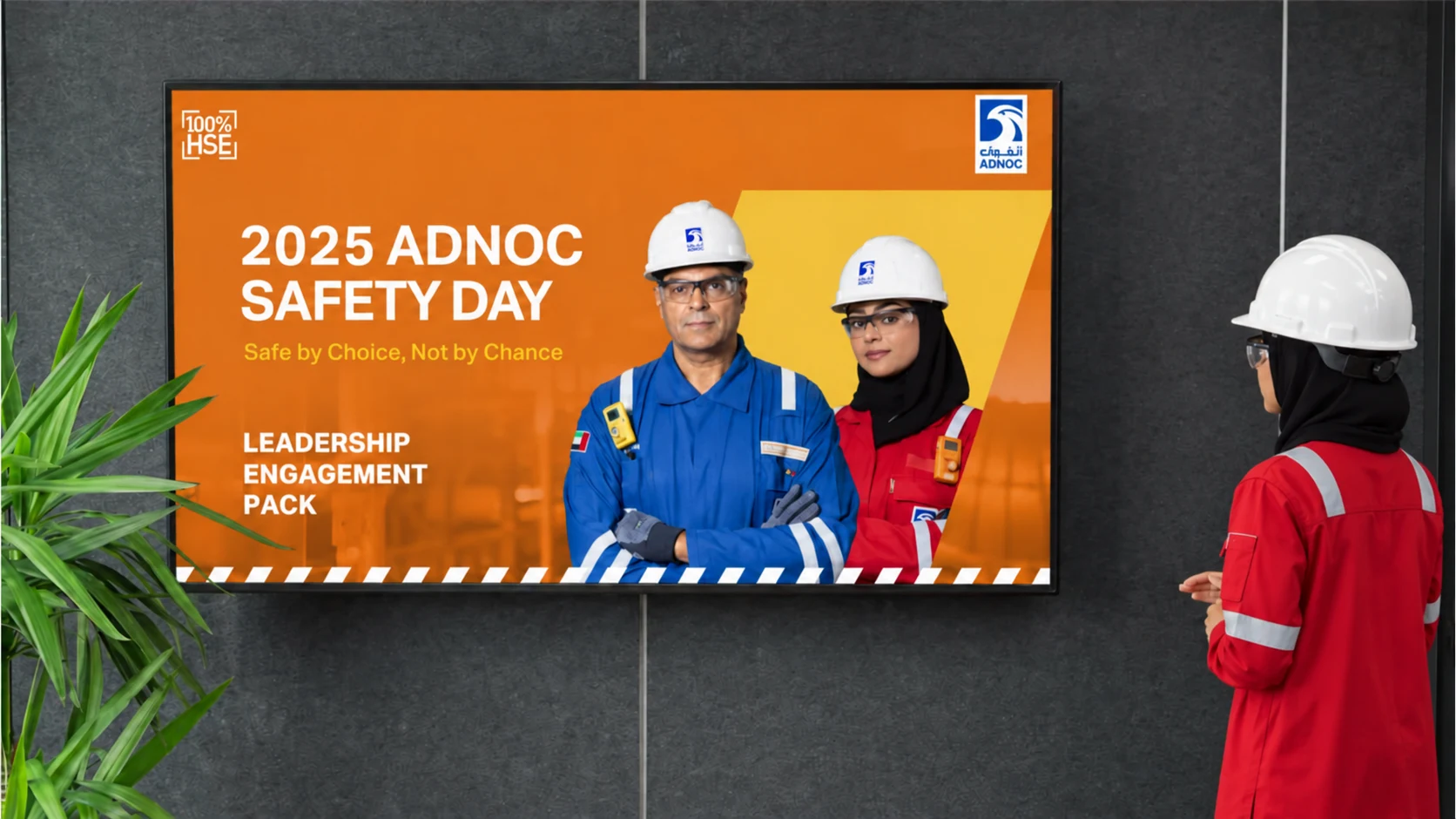
Presenting an ADNOC Safety Day engagement deck.
Services
Interactive Training
E-Learning
SCORM online modules
/services/e-learning
Scenario questions inside a client e-learning module.

Services
Interactive Training
Virtual Reality (VR)
Immersive headset training
/services/virtual-reality-vr-training
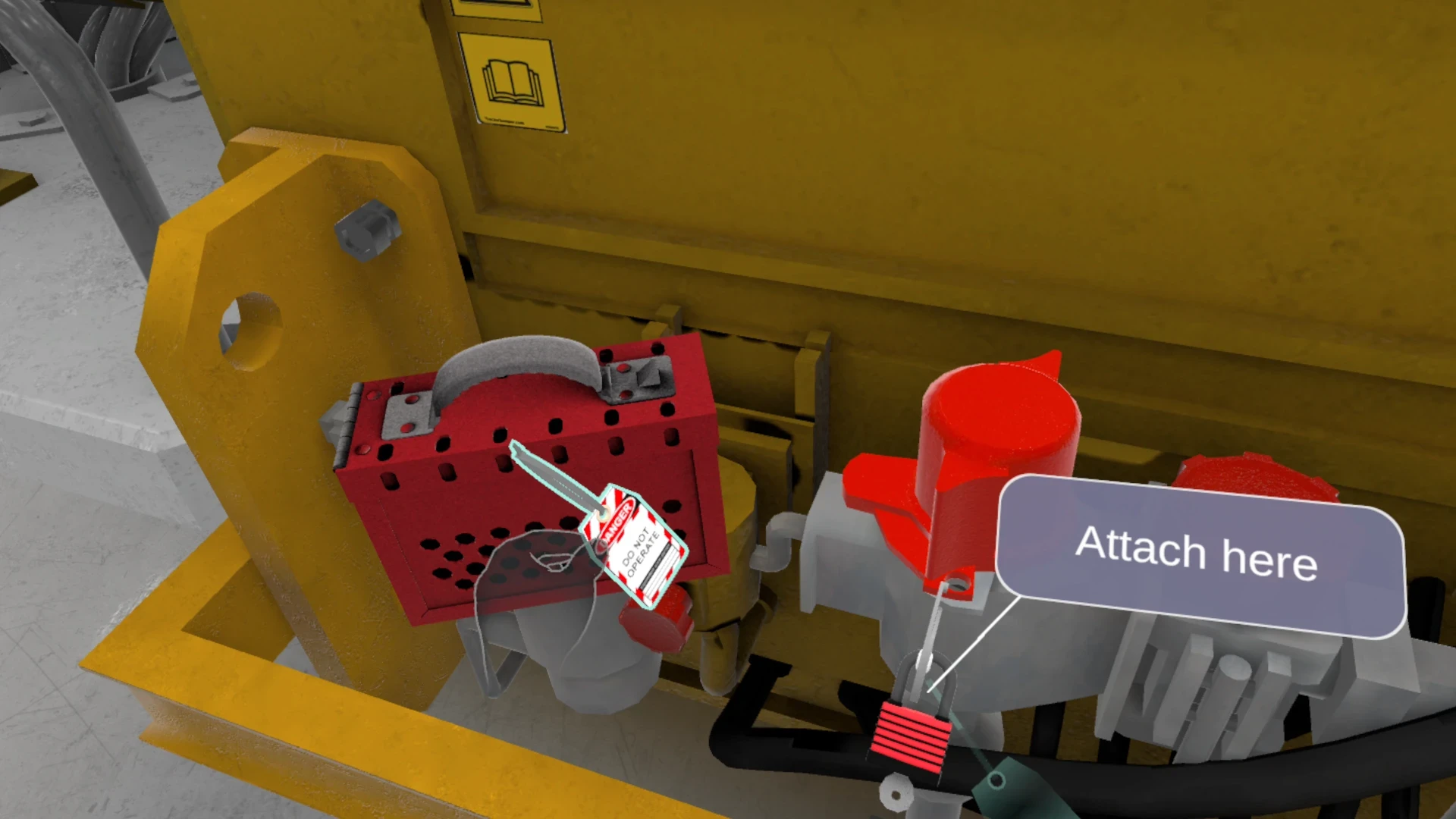
Lockout tagout training with full hand tracking in VR.
Services
Interactive Training
Flat-Screen Simulations
Desktop, web & mobile simulations
/services/flat-screen-simulation-training
SHIIFT simulations running on laptops and mobile devices.

Services
Interactive Training
Digital Twins
Navigable sites & equipment
/services/digital-twins
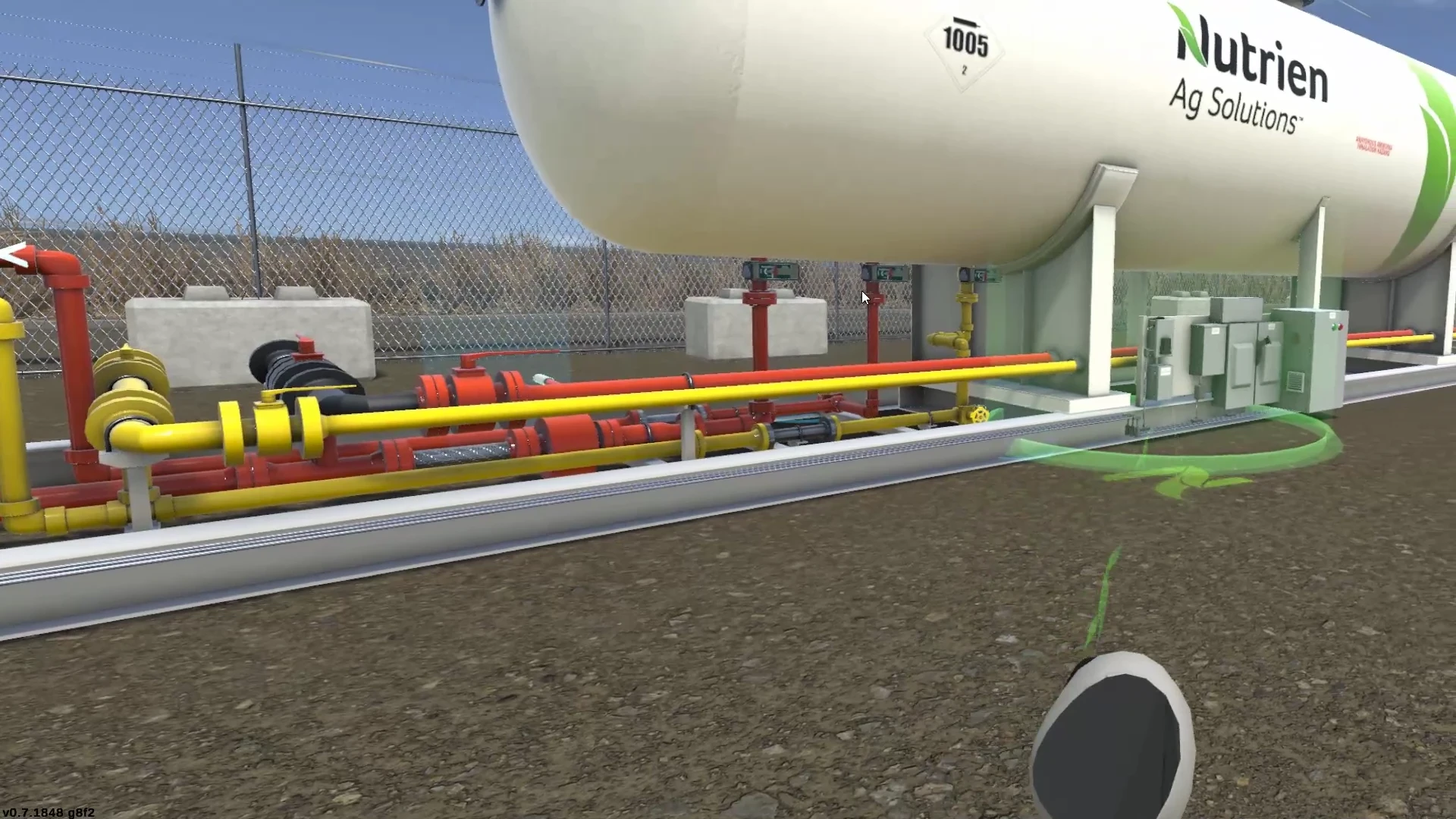
A navigable 3D replica of Nutrien's ammonia transfer plant.
Approach
How We Work
Our approach
Analysis, design, delivery, validation
/approach
Approach
How We Work
SCORM & LMS Integration
Tracking in your systems
/services/scorm-lms-integration
Approach
How We Work
Scenario-Based Assessments
Competency you can prove
/services/scenario-based-assessments