
Introduction
Reflective learning is a method that encourages employees to think critically about their experiences in the workplace. Unlike traditional safety training, which often focuses on procedures or rules, reflective learning emphasizes understanding the why behind actions, decisions, and outcomes.
In high-risk industries, this approach is especially valuable. By reflecting on successes, mistakes, near misses, or routine tasks, employees can identify potential hazards, improve decision-making, and internalize lessons that directly reduce workplace risk.
Encourages proactive thinking rather than reactive responses
Helps employees recognize subtle hazards they might otherwise overlook
Trains employees to become hyper aware of their good or bad habits, and use that awareness to their advantage or to help fellow employees
Strengthens the organization’s overall safety culture
Definition of Reflective Learning
At its core, reflective learning is the process of reviewing experiences, evaluating outcomes, and applying insights to future work. It involves structured thinking and often includes guided questioning, documentation, or peer discussions. The process can be applied to both positive and negative experiences, making it a flexible and broadly applicable learning method.
Unlike traditional training, it focuses on understanding rather than just following instructions. Reflective learning applies to:
Positive outcomes: Understand why a task went smoothly and reinforce those behaviors
Mistakes or near misses: Analyze what caused the event and how it could have been prevented
Routine operations: Identify small, continuous improvements in daily tasks
How Reflective Learning Differs from Other Safety Training Methods
Reflective learning is related to other training approaches but is distinct in its focus on critical thinking and continuous improvement. It differs from incident-based learning, scenario-based training, and demonstration-based training, which may focus more on outcomes or procedures rather than understanding the underlying reasoning.
Incident-Based Learning: Focuses specifically on mistakes or near misses and how to prevent recurrence
Scenario-Based Training: Presents realistic situations for learners to respond to, often providing material for reflection afterward
Demonstration-Based Training: Shows correct and incorrect techniques for workers to analyze
Reflective Learning: Goes beyond observation to encourage structured thinking, self-assessment, and planning for future improvement

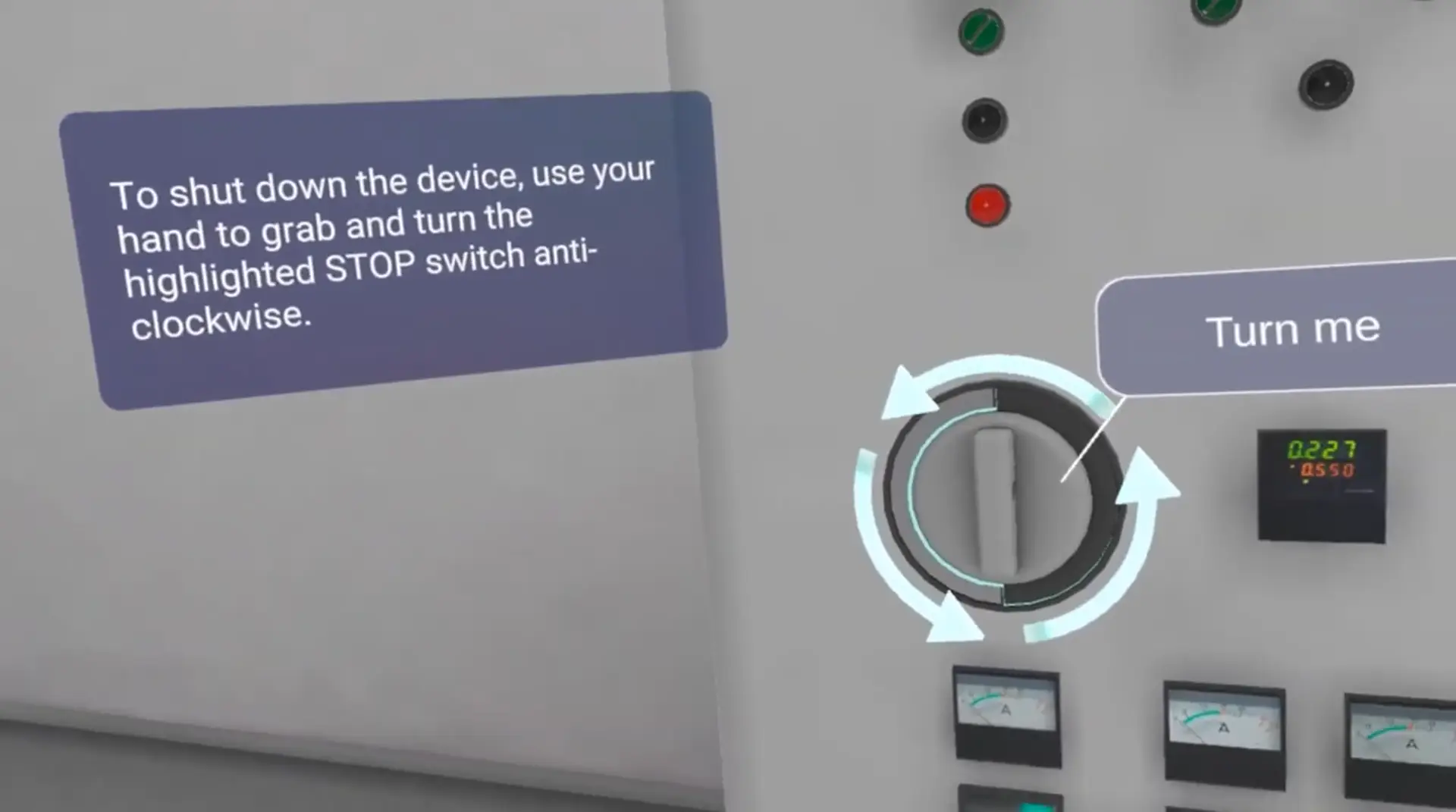
The above image is a screenshot from one of SHIIFT’s incident-based learning projects, a 3D animation focused on energy isolation. The video goes on to show an incident happening where they list what went wrong and what should have been different. While this is a form of reflective learning, learning from incidents exercises specifically focuses on bad outcomes.
Training methods like incident-based learning where learners learn from mistakes or near misses, or scenario-based training where users can practice a scenario and reflect on it share facets of reflective learning, but reflective learning has a heavy focus on critical thinking around positive and negative outcomes, with the intention of asking specific questions to yourself.
Reflective learning is less about following rules or analyzing failures, and more about understanding, internalizing, and improving behavior continuously.
What Are The 5 R’s of Reflective Practice?
The 5 R’s of reflective practice are a framework to guide deep thinking and learning from experiences. They are commonly used in education, healthcare, and professional development. They are:
Reporting – Describe what happened.
Focus on the facts, events, or experiences without judgment.
Example: “During the safety training session, a trainee incorrectly operated the machine.”
Relating – Connect the experience to prior knowledge, experiences, or theory.
Think about similarities, differences, or patterns.
Example: “This reminds me of previous training where hands-on practice reduced errors.”
Reasoning – Analyze why things happened the way they did.
Consider causes, consequences, and contributing factors.
Example: “The trainee made the error because the instructions were unclear and they lacked prior experience with the equipment.”
Reconstructing – Explore how things could have been done differently.
Reflect on alternative actions, solutions, or approaches.
Example: “If I had demonstrated the procedure more slowly and provided a checklist, the mistake might have been avoided.”
Relating to action (sometimes called Reflexivity) – Decide what you will do differently in the future.
Apply the learning to future practice or situations.
Example: “Next training session, I will include a step-by-step demonstration and supervise practice closely.”
This model encourages structured reflection that moves from simply describing an event to applying lessons learned for improvement.
Benefits of Reflective Learning in Workplace Safety
Implementing reflective learning in workplace health and safety programs offers a wide range of benefits for both employees and organizations:
Improved hazard recognition and risk assessment
Workers learn to spot potential dangers before they escalate
Encourages proactive identification of unsafe conditions or behaviors
Enhanced decision-making under pressure
Builds mental models that help employees respond safely in real-time
Supports confident, informed decision-making in high-stakes situations
Stronger safety culture and engagement
Employees feel their observations and insights are valued
Promotes open communication and collective responsibility
Reduced repeat incidents and near misses
Lessons learned from reflection prevent recurring errors
Helps organizations meet compliance and safety standards more effectively
Examples of Reflective Learning in Action
Reflective learning can take many forms in workplace health and safety. The key is that employees actively analyze experiences—both successes and mistakes—to improve future behavior.
So what is an example of reflective learning? An example of reflective learning could be a healthcare professional reflecting on a patient interaction to improve their communication, an athlete analyzing their performance to identify weaknesses, or a student keeping a journal to process their feelings and make a plan for future study sessions.
After doing a roleplay session, or multiplayer VR scenario, have your team reflect on everything they experienced, what went wrong, what went well, etc. Or after watching a safety drama video as a team, discuss and reflect as a group on what could have been done differently.
Below are detailed examples showing how reflective learning can be applied in a workplace:
Post-Incident Reviews
Teams meet after an actual safety incident or near miss to discuss what happened.
Participants identify contributing factors such as procedural gaps, equipment issues, or human error.
Lessons are documented to inform future training, policies, or workplace procedures.
Example: After a minor chemical spill, the team reviews storage practices, PPE usage, and emergency response timing to prevent similar events. Learning from Successes
Analyzing what went well helps reinforce effective behaviors.
Encourages employees to consciously replicate best practices.
Example: A team finishes a complex equipment setup without errors; they reflect on coordination and timing to ensure future setups remain smooth. Simulation Debriefs
After completing a multiplayer VR safety simulation, or mission rehearsal, employees reflect on decisions made during the exercise.
Trainers guide discussion on what went well, what errors occurred, and what strategies could be improved.
Reflection helps workers mentally rehearse correct responses for real-life scenarios.
Example: Following a simulated team-based machinery shutdown scenario, the team discusses communication delays and missed steps, then identifies improved response strategies.
Routine Task Reflection
Workers analyze day-to-day tasks to spot potential improvements or hazards.
Encourages small, continuous enhancements in procedures that might otherwise go unnoticed.
Supports a culture of proactive safety rather than reactive problem-solving.
Example: A warehouse employee reflects on stacking procedures after noticing a slightly uneven pallet, then implements a safer approach for the next shift. Peer Discussions and Mentoring
Employees share their experiences and lessons learned with colleagues.
Promotes learning from multiple perspectives and builds team awareness.
Encourages open communication about safety concerns without fear of blame.
Example: A senior technician explains how a near miss during a maintenance task could have escalated, helping junior staff understand the risks and correct procedures. Self-Reflection Practices
Workers record observations, near misses, or successes in journals or logs.
Reviewing these entries helps track personal improvement over time.
Reflection encourages accountability and reinforces good practices consistently.
Example: An operator documents how adjusting a lifting technique reduced strain, then reviews this weekly to ensure the new approach becomes habit.
Group Workshops and Scenario Discussions
Teams collectively analyze case studies, real incidents, or hypothetical scenarios.
Employees discuss lessons learned from successes, routine tasks, or hypothetical scenarios.
Discussions highlight decision points, alternative actions, and potential consequences.
Builds shared understanding and strengthens safety culture across the team.
Example: A workshop reviews a past forklift accident and encourages the group to propose multiple preventive strategies, weighing the pros and cons of each.
Reflective learning works best when structured, consistent, and inclusive. It can be applied after real events, simulations, or routine tasks, and it is strengthened when combined with peer discussion, documentation, and guided questioning.
Implementing Reflective Learning in Health and Safety Training
For reflective learning to be effective, organizations must provide structure and guidance. The following strategies help embed reflection into everyday workplace training:
Structured reflection sessions
Schedule dedicated time after drills, exercises, or incidents to review experiences
Ensures reflection is intentional, not left to chance
Guided questioning
Ask questions like: “What went well? What could have been done differently? How can similar incidents be prevented?”
Provides a framework to focus reflection and ensure valuable lessons are captured
Involve supervisors and peers
Different perspectives provide a fuller understanding of events and reinforce learning
Document lessons learned
Use safety journals or digital logs to record insights for future review
Builds an organizational memory of safety lessons and best practices
Tools and Techniques for Reflective Learning
Debrief Meetings
Gather the team after incidents, drills, or exercises to discuss what happened, why, and how to improve.
Encourages shared understanding and collective learning.
Peer Discussions and Mentoring
Workers share experiences and advice with colleagues, and each colleague can reflect on others experiences.
Builds knowledge through diverse perspectives.
Written Reflections / Safety Journals
Document incidents, near misses, or routine tasks for later review.
Supports long-term retention and individual accountability.
Checklists and Reflection Forms
Provide structured prompts for evaluating actions and decisions.
Ensures consistency and completeness in reflection exercises.
Observation and Feedback Loops
Supervisors or peers observe work and provide constructive feedback.
Workers reflect on their own behavior and make improvements.
Safety Videos / Animated Demonstrations
Safety videos can reconstruct incidents or show correct/incorrect procedures visually, or even a safety drama which feels less like a safety video and more like a story. Use safety videos paired with reflective questions in group discussions, reflect on what went wrong, what was done right, what you would have done, etc.
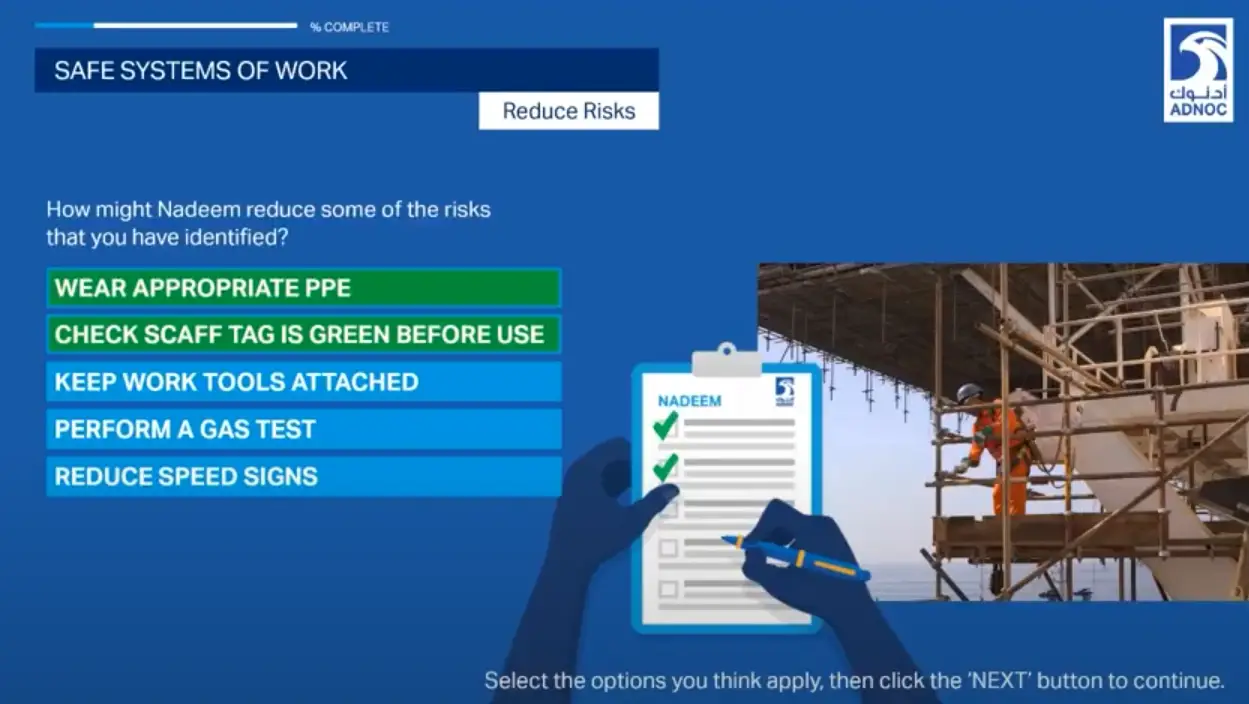
Safety videos can be embedded into eLearning to support reflective learning where questions designed to help learners analyse the video are included after they watch it, see an example from one of the eLearning modules we created for ADNOC. While these multiple choice questions are useful, open ended questions in a classroom environment work better for reflective learning.
VR Simulations
Immersive VR scenarios allow workers to safely experience high-risk situations. But beyond just going through the experience, pairing it with a thinking exercise where the trainee reflects on why certain actions were taken, or what could be improved in communication if it was a multiplayer VR training experience.
Serves as a controlled experience to reflect on, particularly for complex or dangerous tasks.
Scenario-Based Exercises
Realistic situations presented in workshops or live drills. Similar to VR, roleplay exercises also give an opportunity to reflect on a scenario, where you don’t only learn by doing, but also by applying critical thinking and reflection after the experience.
Provides experiences that employees can analyze and learn from.
Group Workshops and Discussion Circles
Teams collaboratively review events or practices.
Encourages peer-to-peer learning and reinforces a safety culture.
Conclusion
Reflective learning turns workplace safety training into an active, ongoing process. By thinking critically about experiences, workers can internalize lessons, improve behavior, and prevent accidents. Pairing reflective exercises with videos, simulations, and scenario-based learning ensures that lessons are practical, memorable, and directly applicable to real work environments.
Solutions
Safety Training
Hazard recognition
Spot risks before incidents
/solutions/hazard-recognition-training
Solutions
Safety Training
Life-Saving Rules
Critical rules as decisions
/solutions/life-saving-rules-training
Solutions
Safety Training
Behavioral safety
Stop work authority, used
/solutions/behavioral-safety-training
Solutions
Safety Training
Hand safety
Fewer hand injuries
/solutions/hand-safety-training
Solutions
Safety Training
PPE selection & use
The right kit, worn right
/solutions/ppe-training
Solutions
Safety Training
H2S & gas awareness
The invisible hazard, visible
/solutions/h2s-gas-awareness-training
Solutions
Safety Training
Fire & emergency response
Beyond the routine drill
/solutions/fire-safety-emergency-response-training
Solutions
Safety Training
Toolbox talks
Five strong minutes weekly
/solutions/toolbox-talk-content
Solutions
Safety Training
Permit to work
PTW judgment scenarios
/solutions/permit-to-work-training
Solutions
Safety Training
Isolation & LOTO
Safe energy isolation
/solutions/isolation-lockout-tagout-training
Solutions
Safety Training
Confined space entry
Entries and rescue response
/solutions/confined-space-entry-training
Solutions
Safety Training
Working at height
Falls and dropped objects
/solutions/working-at-height-training
Solutions
Safety Training
Lifting & rigging
Safer critical lifts
/solutions/lifting-rigging-training
Solutions
Safety Training
Hot work
Sparks under control
/solutions/hot-work-training
Solutions
Safety Training
Line of fire
See the energy path
/solutions/line-of-fire-training
Solutions
Safety Training
Driver safety
Safer driving and journeys
/solutions/driver-safety-training
Solutions
Safety Training
Electrical safety
Safe isolation, arc flash aware
/solutions/electrical-safety-training
Solutions
Safety Training
Excavation work
Trenches and buried services
/solutions/excavation-safety-training
Solutions
Safety Training
Ergonomics
Strain prevention that sticks
/solutions/ergonomics-training
Solutions
Safety Training
Situational awareness
Noticing change on site
/solutions/situational-awareness-training
Solutions
Onboarding & People
Site orientation
Inductions before day one
/solutions/site-orientation-onboarding
Solutions
Onboarding & People
Expatriate workforce
Localized multilingual training
/solutions/expatriate-workforce-training
Solutions
Onboarding & People
Visitor inductions
Pre-arrival essentials
/solutions/visitor-induction-training
Solutions
Onboarding & People
Leadership training
Judgment, developed
/solutions/leadership-training
Solutions
Onboarding & People
Soft skills
Conversations that work
/solutions/soft-skills-training
Solutions
Onboarding & People
Safety leadership
Frontline supervisor skills
/solutions/safety-leadership-training
Solutions
Onboarding & People
Human factors
Error traps and defenses
/solutions/human-factors-training
Solutions
Operations & Technical
Process & procedures
Step-by-step competence
/solutions/process-procedure-training
Solutions
Operations & Technical
Operational readiness
Ready before start-up
/solutions/operational-readiness
Solutions
Operations & Technical
Technical training
Complex systems explained
/solutions/technical-training
Solutions
Operations & Technical
Control room & DCS
Alarms and upset response
/solutions/control-room-training
Solutions
Operations & Technical
Crane operation
Operators, banksmen, supervisors
/solutions/crane-operation-training
Solutions
Operations & Technical
Forklift operation
Operators, pedestrians, supervisors
/solutions/forklift-operation-training
Solutions
Operations & Technical
Maintenance & turnarounds
Outage preparation
/solutions/maintenance-turnaround-training
Solutions
Operations & Technical
Process safety
Barriers made visible
/solutions/process-safety-training
Solutions
Compliance & Modernization
Lessons learned (LFI)
Incidents into training
/solutions/lessons-learned-training
Solutions
Compliance & Modernization
Spill response
Environmental first response
/solutions/spill-response-training
Solutions
Compliance & Modernization
Hazardous materials
Storage, handling, transport
/solutions/hazardous-materials-training
Solutions
Compliance & Modernization
Security awareness
Physical and cyber vigilance
/solutions/security-awareness-training
Services
Content Production
Training Videos
Filmed through our global crew network
/services/workplace-safety-training-videos
A safety orientation film produced for Milestone Environmental Services.

Services
Content Production
2D & 3D Animation
Engineering-accurate visuals
/services/2d-3d-animation
From a 3D animation built to supplement an ADNOC e-learning module.

Services
Content Production
Safety Campaigns
Sustained behavior change
/services/safety-campaigns
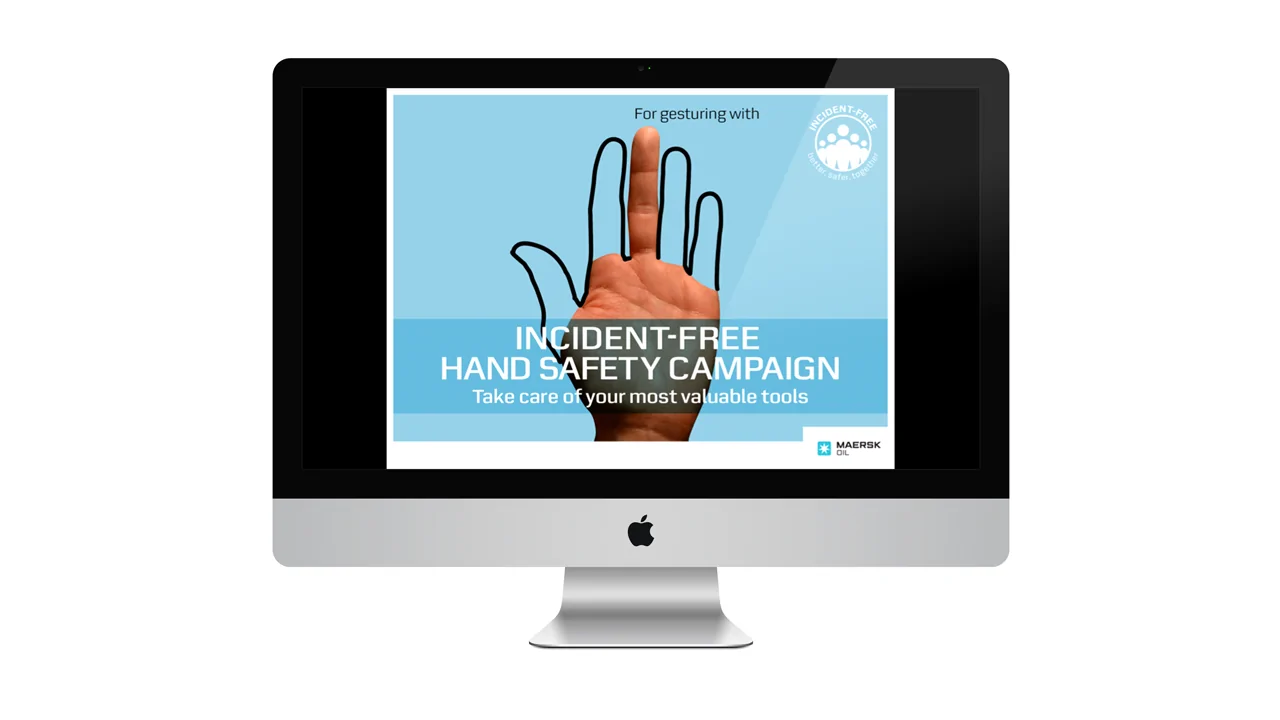
The award-recognized Maersk hand safety campaign.
Services
Content Production
Training posters & print
Site-specific print & visual aids
/services/training-posters
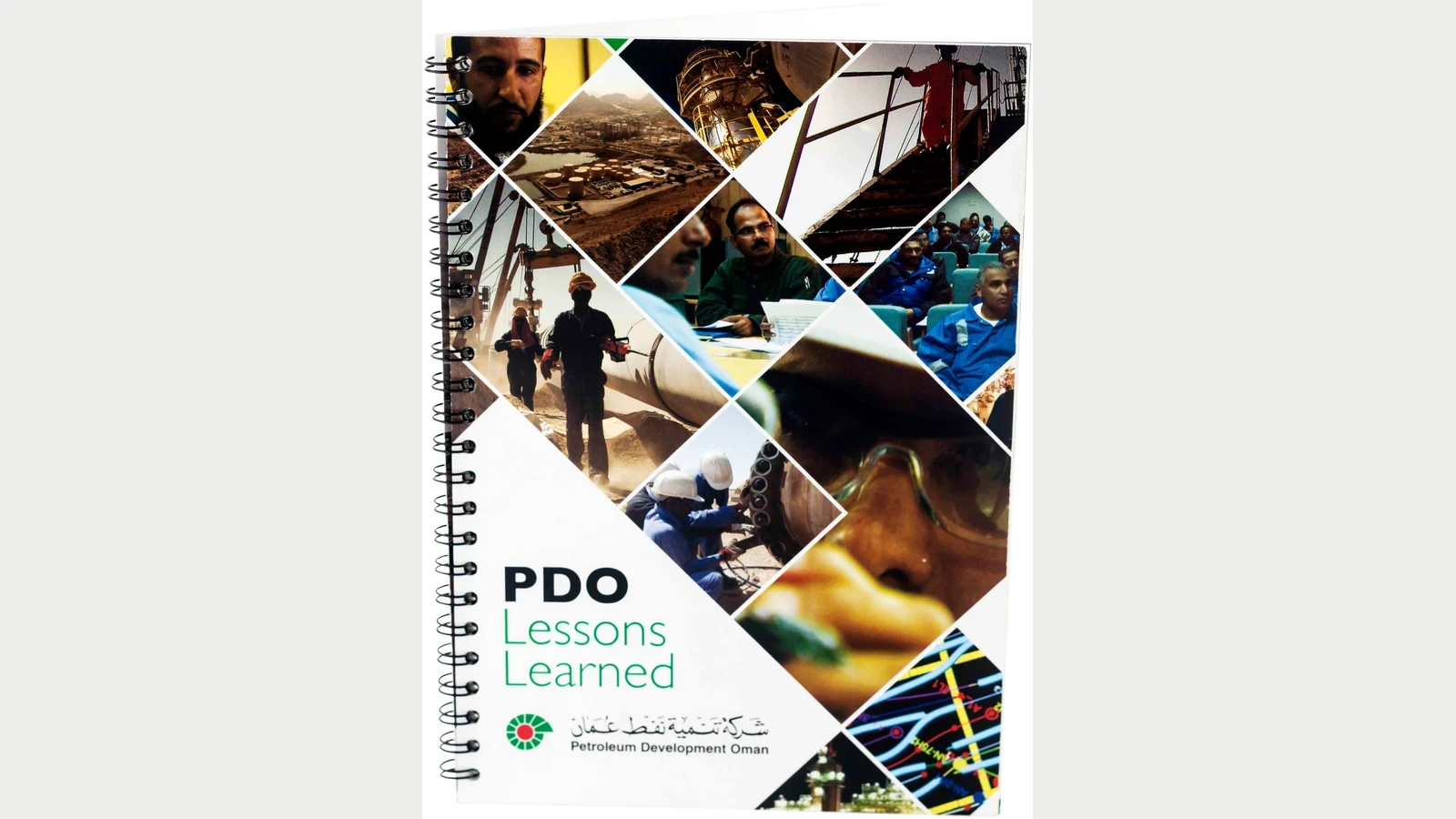
A printed lessons learned handbook produced for Petroleum Development Oman.
Services
Content Production
PowerPoint Materials
Trainer-led deck rebuilds
/services/powerpoint-training-materials
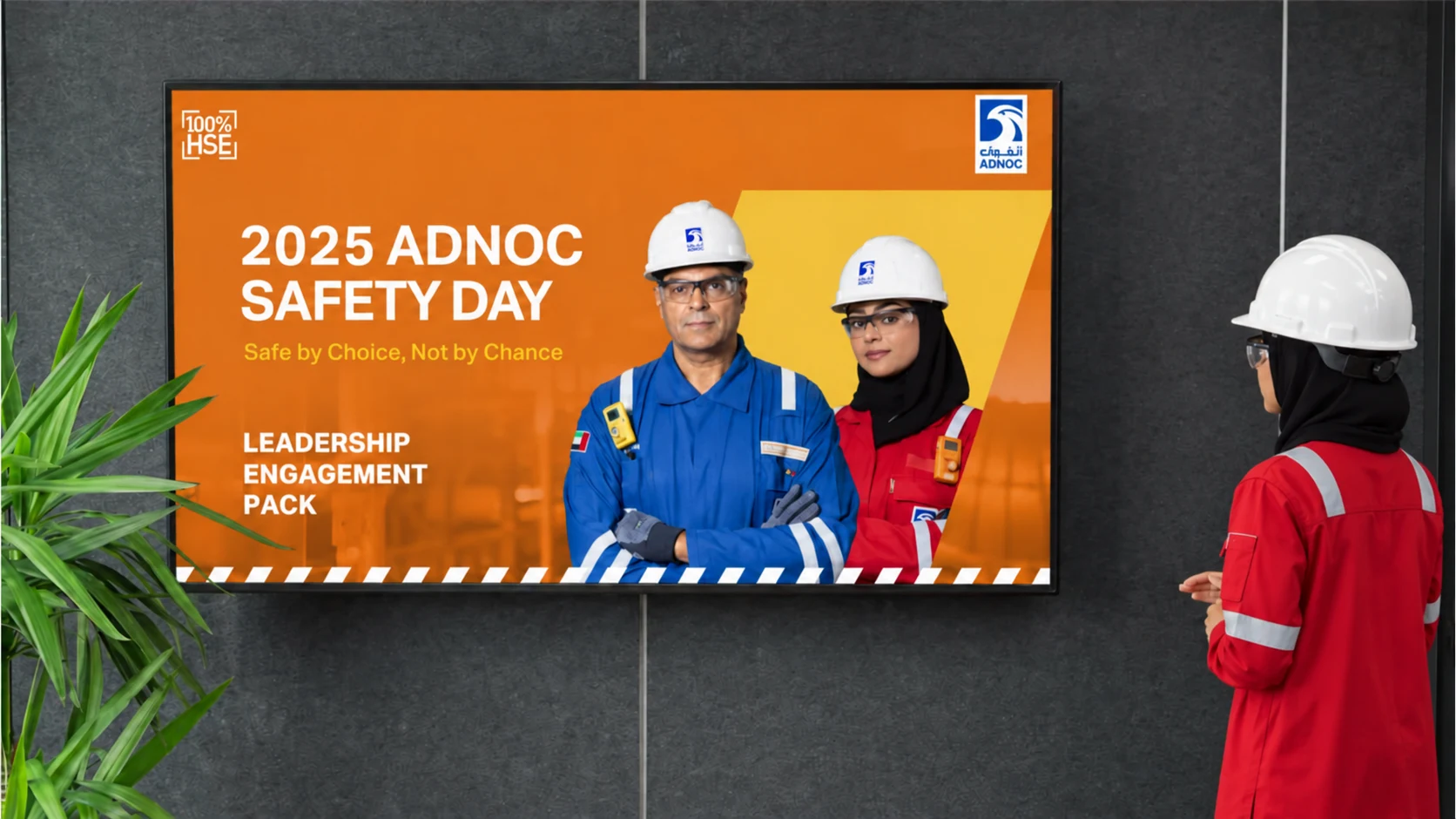
Presenting an ADNOC Safety Day engagement deck.
Services
Interactive Training
E-Learning
SCORM online modules
/services/e-learning
Scenario questions inside a client e-learning module.

Services
Interactive Training
Virtual Reality (VR)
Immersive headset training
/services/virtual-reality-vr-training
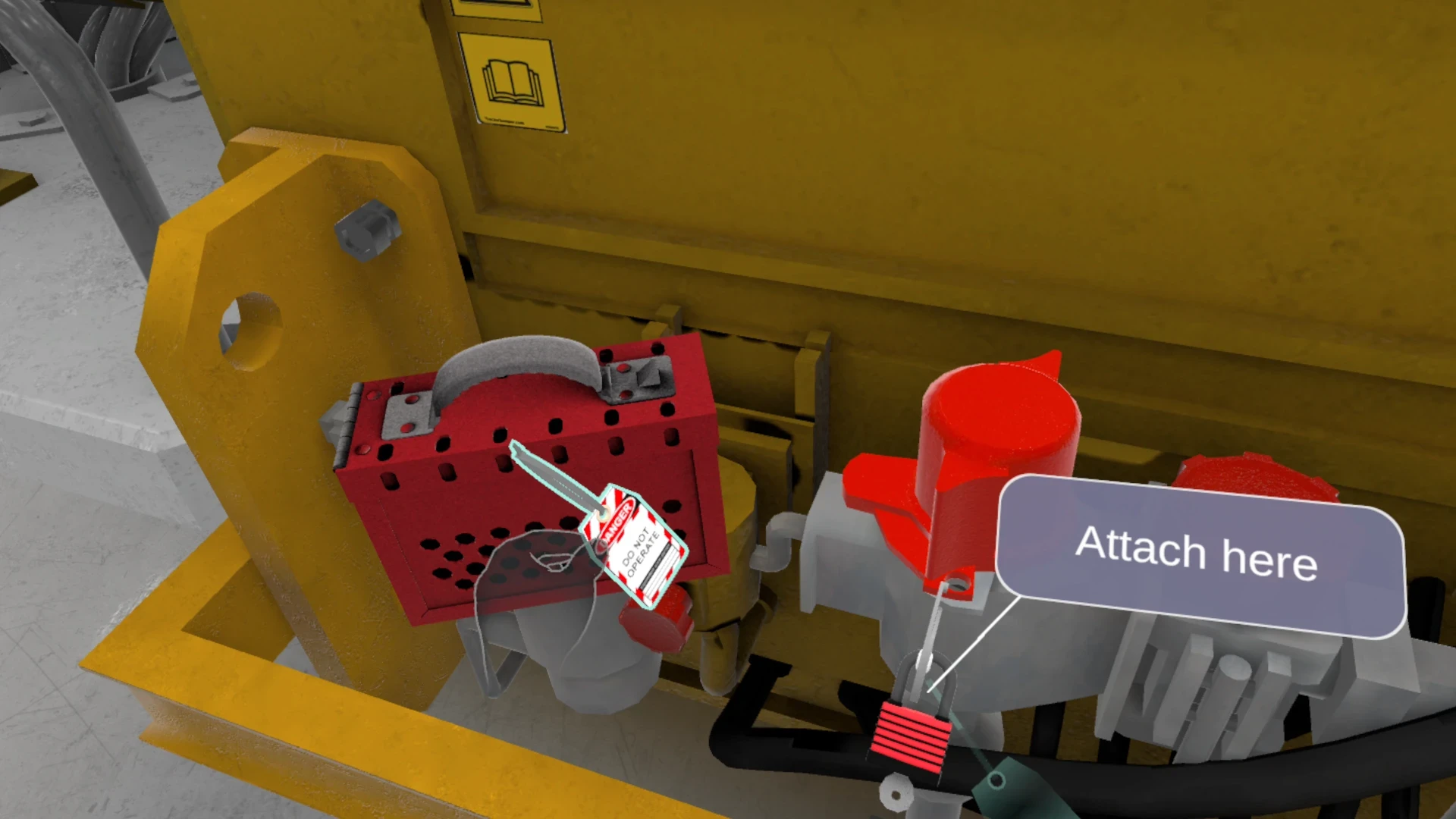
Lockout tagout training with full hand tracking in VR.
Services
Interactive Training
Flat-Screen Simulations
Desktop, web & mobile simulations
/services/flat-screen-simulation-training
SHIIFT simulations running on laptops and mobile devices.

Services
Interactive Training
Digital Twins
Navigable sites & equipment
/services/digital-twins
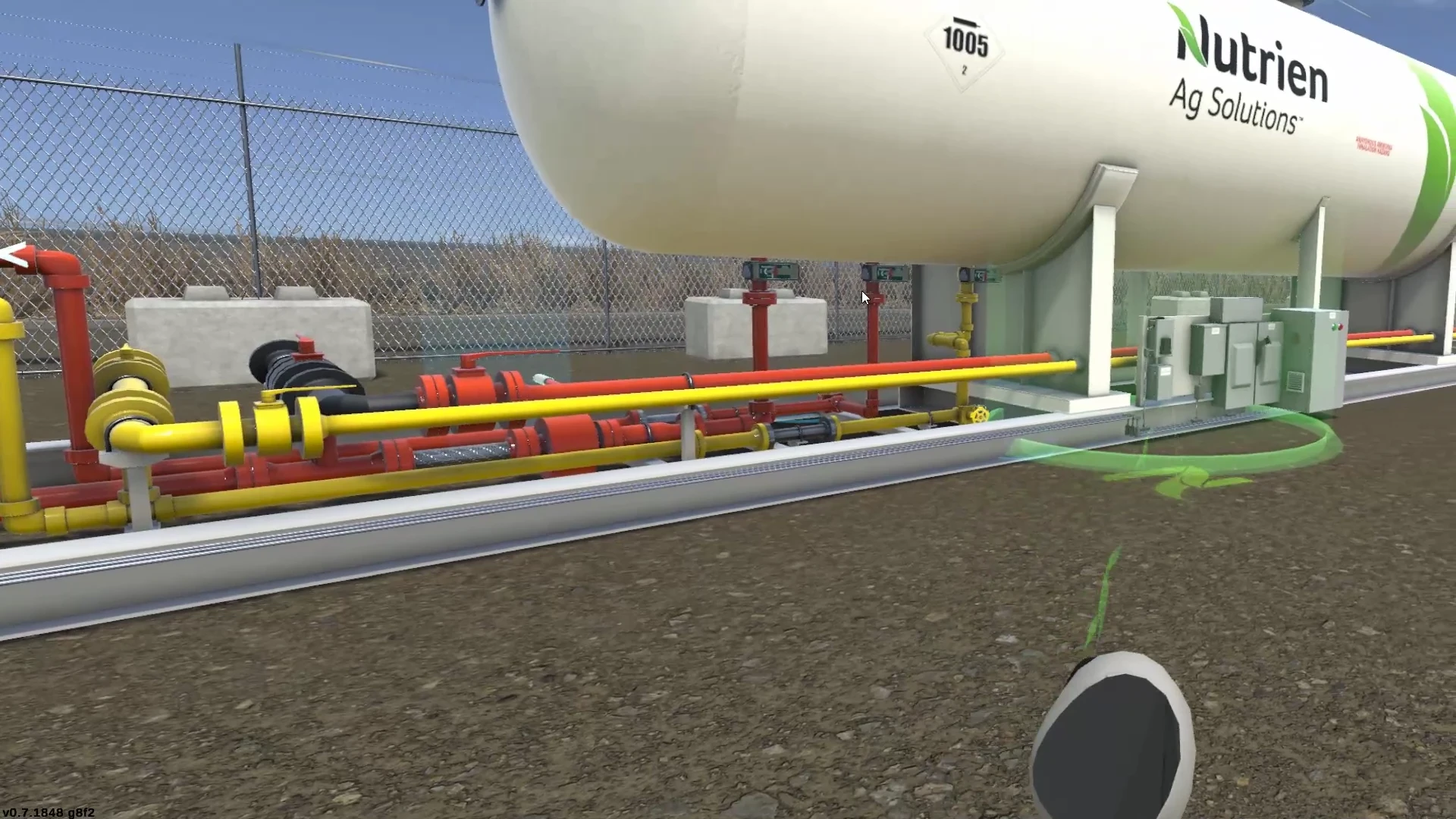
A navigable 3D replica of Nutrien's ammonia transfer plant.
Approach
How We Work
Our approach
Analysis, design, delivery, validation
/approach
Approach
How We Work
SCORM & LMS Integration
Tracking in your systems
/services/scorm-lms-integration
Approach
How We Work
Scenario-Based Assessments
Competency you can prove
/services/scenario-based-assessments