Go Back
Get in touch.
Send us a message and we’ll get
back to you within 48 hours.
Alternatively, email
hello@shiifttraining.com
A maintenance technician steps onto the factory floor in a Brazilian facility, performing a lockout-tagout exactly as he would on any busy shift. This is the power of live-action safety videos—real employees and real conditions transforming complex procedures into relatable learning. For multinational manufacturers, the authenticity of recording real people and environments bridges cultural gaps, supporting lasting behavior change. Continue reading to discover how these solutions make your workplace safer by connecting training with day-to-day reality.
Key Takeaways
| Point | Details |
|---|---|
| Authenticity Enhances Training | Live-action safety videos use real people and environments to create relatable training content, increasing emotional engagement and retention. |
| Diverse Formats Address Specific Needs | Variations of live-action videos cater to procedural training, incident reconstruction, emergency response, and behavior modeling, ensuring relevance to organizational needs. |
| Production Quality is Crucial | High-quality filming, storytelling, and clear messaging are essential for effective training that promotes behavior change and understanding of safety protocols. |
| Cost and Update Challenges Exist | Live-action content is resource-intensive to produce and update, requiring careful planning to manage ongoing expenses and ensure compliance with changing regulations. |
Defining Live-Action Safety Videos
Live-action safety videos are films featuring real people, actual work environments, and genuine scenarios rather than actors performing in controlled studios or animated sequences. The key distinction is authenticity. You’re watching actual employees in their workplace, not stylized portrayals or computer generated demonstrations. This approach creates training content that mirrors the exact conditions your workforce encounters daily.
These videos involve recording real people and environments to demonstrate safety procedures with genuine credibility. When a maintenance technician locks out equipment in your facility’s actual setting, workers recognize the scenario immediately. They see themselves in the video because the locations, tools, and challenges match their reality. This connection transforms training from abstract instruction into concrete preparation.
The production method differs significantly from traditional training. Rather than using professional actors, live-action safety videos employ your actual staff, contractors, or professional safety trainers performing standard procedures. They unfold in real time, showing the exact sequence of actions workers must follow. Filmed scenarios with real settings eliminate the disconnect between training and job performance that plagues many corporate safety programs.
What makes live-action particularly powerful for multinational manufacturers is the cognitive and emotional engagement it generates. Workers retain information better when they see realistic depictions of consequences. A person slipping on an uncleared floor carries far more weight when it happens in your actual production area rather than a generic set. The emotional resonance deepens memory formation and strengthens the likelihood that employees will apply what they learned.
Live-action safety videos also demonstrate procedures within their proper context. You can show not just the correct action, but why it matters in your specific operation. A lockout-tagout procedure becomes clear when viewers see exactly what equipment they handle and understand the genuine hazards present. This contextual knowledge builds practical understanding that translates directly to safer behavior.
Pro tip When filming, capture the complete sequence including setup, execution, and verification steps so employees understand the full procedure flow rather than isolated actions.
Variations and Real-World Use Cases
Live-action safety videos take different forms depending on your organization’s specific needs and hazard profile. No single approach fits every manufacturing operation. Some variations focus on procedural training, while others emphasize incident prevention or emergency response. Understanding these options helps you select the format that drives the strongest behavioral change in your workforce.
Procedural demonstration videos show step-by-step execution of critical safety tasks. A technician performs equipment maintenance using proper lockout-tagout procedures while the camera captures hand positions, tool placement, and verification checks. These videos work exceptionally well for training new hires on complex processes. Your experienced workers appear as role models, establishing credible standards that trainees understand they must follow.
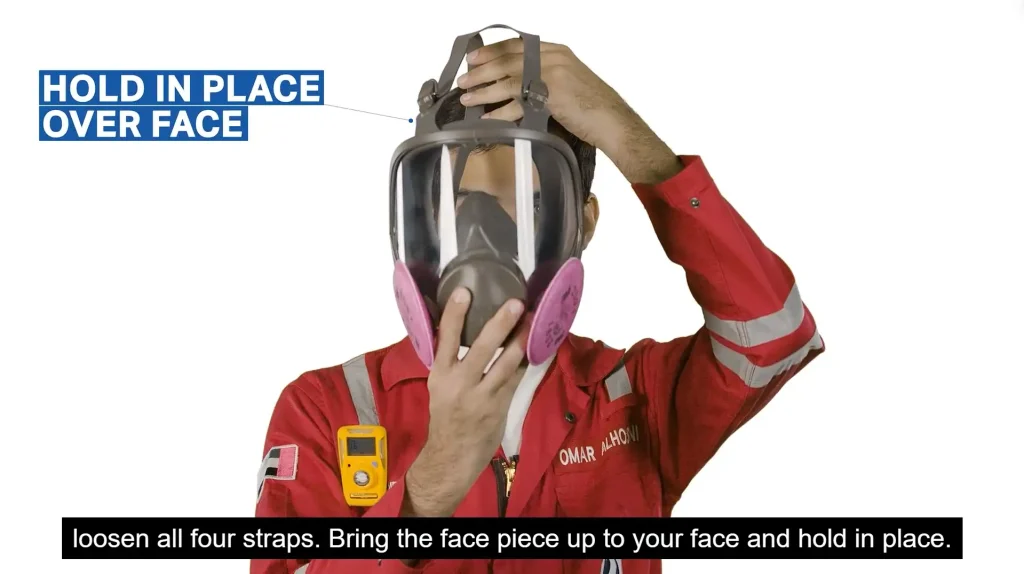
Step by step reconstruction of putting on PPE
Incident reconstruction videos depict realistic accident scenarios and their consequences. Rather than sanitized versions, these show genuine injuries or near-misses that actually occur in manufacturing. A worker fails to wear hearing protection during grinding operations, and the video documents actual noise exposure levels and long-term health impacts. This visceral approach creates emotional impact that abstract statistics cannot achieve.
Emergency response variations show teams executing crisis procedures under pressure. Your maintenance crew responds to a chemical spill, or your operators execute an equipment shutdown during a power anomaly. These scenarios train workers to perform correctly when stress and urgency test their knowledge. AI-driven smart video solutions now enable real-time monitoring applications where live-action footage combines with artificial intelligence to detect anomalies and enhance safety responsiveness.
Behavior-focused variations capture everyday actions that prevent incidents before they happen. A forklift operator yields right-of-way at a blind corner, or a machine operator stops production to address a minor leak before it becomes hazardous. These subtle videos normalize safety culture by showing how experienced workers make protective choices instinctively.
Orientation, onboarding or induction safety videos focus on introducing new employees to your organization’s safety culture from day one. These videos combine site rules, hazard awareness, emergency routes, reporting procedures, and expected behaviors into a structured onboarding experience. Rather than overwhelming new starters with written manuals, induction videos provide clear visual guidance on how safety operates in practice. This helps reduce early stage incidents and establishes consistent standards before unsafe habits can form.
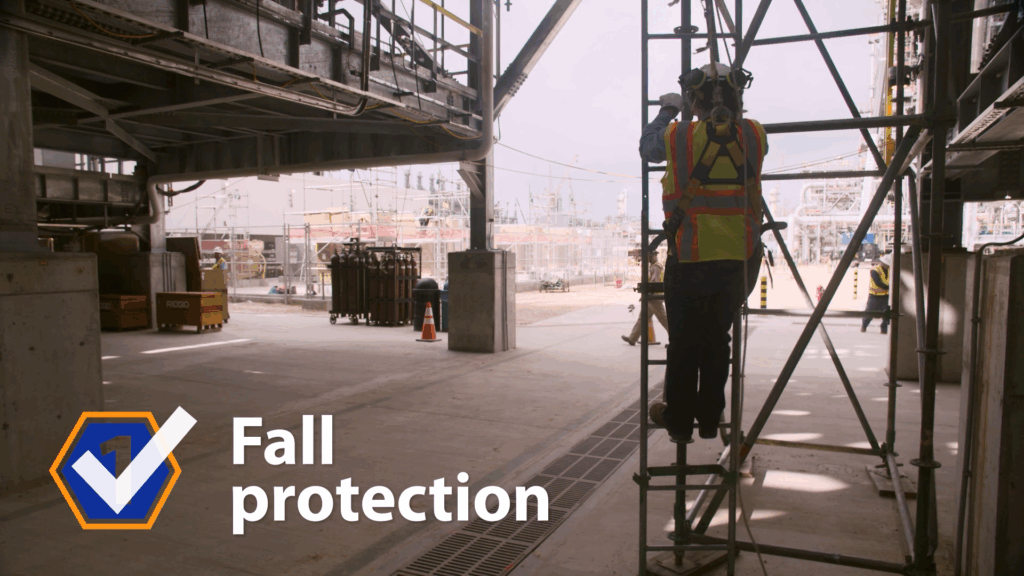
An example from our GCGV Site Orientation film
Here’s a summary comparing the most common types of live-action safety videos:
| Type of Video | Primary Purpose | Best Use Case | Unique Advantage |
|---|---|---|---|
| Procedural Demonstration | Teach step-by-step procedures | Training new or temp workers | Models real best practices |
| Incident Reconstruction | Analyze accidents and root causes | Hazard awareness sessions | Drives emotional impact |
| Emergency Response | Prepare for crisis events | Safety drills and simulations | Stresses real-time decisions |
| Behavior-Focused | Encourage safe habits | Ongoing safety culture | Shows peer role modeling |
| Safety Orientation | Introduce safety standards and expectations | New employee onboarding | Builds strong safety foundations early |
Pro tip Create modular video content where you film core procedures once, then add location-specific introductions or conclusions to maximize filming efficiency while maintaining relevance across multiple facilities.
Key Features and Production Process
Effective live-action safety videos share common structural elements that maximize learning outcomes. These features distinguish professional training content from casual recordings that fail to change behavior. Understanding what makes these videos work helps you evaluate production quality and ensure your investment delivers measurable results.
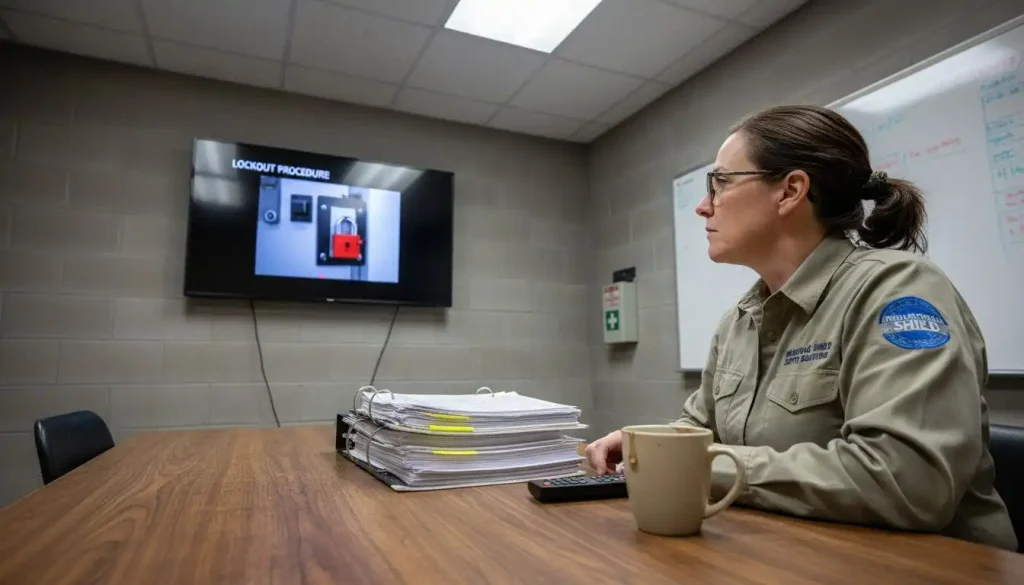
Storyelling transforms procedural instruction into memorable narratives. Rather than simply showing correct actions, videos establish context and consequences. A worker arrives at a piece of equipment, identifies a potential hazard, takes specific preventive steps, and explains why each action matters. This narrative arc engages viewers emotionally while teaching practically.
Clarity means every detail remains visible and understandable. Camera angles capture hand positions clearly. Lighting illuminates critical steps without creating glare on equipment surfaces. Audio ensures all dialogue and background noise levels stay distinct. Sloppy production undermines credibility and frustrates viewers trying to learn precise techniques.
Production stages include pre-production planning, filming with real scenarios, and post-production editing to ensure maximum training effectiveness. Pre-production begins with script development based on your actual procedures and hazard analysis. Your safety team reviews every step to confirm accuracy. Casting involves selecting employees who perform their jobs skillfully and can follow direction consistently.
During production, you film in actual work environments using genuine equipment. This authenticity cannot be replicated in studios. Operators execute procedures exactly as they occur daily, showing real challenges like equipment quirks or environmental obstacles. Multiple takes ensure you capture clean footage of critical moments.
Post-production transforms raw footage into polished training content. Editors select the strongest takes, trim unnecessary segments, and sequence scenes logically. Sound design adds clarity while maintaining workplace authenticity. Graphics highlight important points without overwhelming viewers. Consistency across multiple videos helps build unified training standards.
Compliance verification ensures your videos accurately reflect current safety regulations and your facility-specific procedures. This protects both workers and your organization legally. Updated content reflects regulatory changes before they become compliance violations.
Pro tip Involve your frontline workers in script review before filming begins because they identify practical details that safety managers sometimes miss, making the final video more credible and useful.
Benefits and Limitations in Training
Live-action safety videos deliver measurable advantages over traditional training methods, but they come with real constraints that affect how and when you deploy them. Understanding both sides helps you make strategic decisions about where these videos fit within your broader training ecosystem.
The strongest benefit is emotional engagement. When employees watch real colleagues performing procedures in familiar environments, the training feels personally relevant. A supervisor sees another supervisor managing the exact equipment she operates daily. That connection drives deeper learning than abstract instruction or anonymous actors ever could. Workers retain information longer because the visual and emotional experience creates stronger memory pathways.
Live-action videos foster emotional connection and demonstrate real workplace dynamics, improving retention and relatability significantly. This authenticity builds credibility that your workers recognize immediately. They cannot dismiss what they see as unrealistic or oversimplified. The consequence is higher likelihood of behavior change because employees actually believe the scenarios reflect their world.
Cost and maintenance represent the primary limitations. Filming requires coordinating schedules, managing production crews, and securing locations. When procedures change or equipment gets replaced, your videos become outdated quickly. A new safety regulation demands immediate updates. Unlike animated content that adjusts more easily, live-action requires restaging and re-filming complete sequences. For multinational manufacturers managing dozens of procedures across multiple facilities, this ongoing investment adds up significantly.
Abstract hazards present another challenge. Some workplace dangers are invisible or occur gradually. Chronic exposure to harmful chemicals, cumulative repetitive strain injuries, or slow-forming psychosocial stressors do not translate well to live-action footage. Animated demonstrations can show molecular interaction or physiological damage that cameras cannot capture. A blended approach combining both formats often addresses these gaps most effectively.
Scalability varies by complexity. Simple procedural videos film easily and deploy widely. Complex scenarios requiring multiple actors, elaborate setups, or specialized equipment demand more resources. Your training timeline may not accommodate extended production schedules for every procedure.
Pro tip Start with your highest-incident procedures for live-action filming and reserve animation for hazards requiring visual abstraction, creating a cost-effective training portfolio that maximizes impact where engagement matters most.
Costs, Risks, and Common Pitfalls
Producing live-action safety videos requires substantial financial investment and careful planning. Many organizations underestimate both the complexity and expenses involved, leading to compromised quality or incomplete training content. Understanding realistic costs upfront prevents budget overruns that damage your training program.
Pre-production planning demands significant time and resources. Your safety team must develop detailed scripts that accurately reflect your procedures and hazards. Subject matter experts review every scene for accuracy and compliance. Location scouts identify suitable filming environments. Talent recruitment takes weeks because you need employees who understand the work deeply and can perform naturally in front of cameras. These planning phases happen before cameras roll and represent 20 to 30 percent of total project costs.
Live-action video production involves significant expenses for hiring specialized talent and crew, securing locations, and using professional equipment. During filming, you pay production crews, equipment rental, and facility access fees. Safety must remain paramount during filming because actual incidents on set create liability exposure. Equipment failure, weather delays, or scheduling conflicts disrupt timelines. A single day of missed filming can cascade into weeks of delays because coordinating multiple employees and crew members proves challenging.
Content updates create ongoing financial burdens. When a procedure changes, you cannot simply edit existing footage. You must restage the scenario, coordinate participants again, and re-film from scratch. For multinational operations managing hundreds of videos across different regions, continuous updates become expensive drains on training budgets. A procedure change that takes animation minutes to revise requires animation days to shoot live-action.
Common pitfalls emerge from underestimating scope. Safety officers often believe simple recording captures quality training content. Professional production involves lighting, multiple camera angles, sound equipment, and editing expertise that casual videography cannot replicate. Poor audio makes training unwatchable. Shaky camera work creates viewer fatigue. Low lighting fails to show critical details.
Another pitfall involves insufficient messaging clarity. Rushed filming captures procedures but fails to explain why each step matters. Workers watch actions without understanding consequences, limiting behavior change effectiveness.
Pro tip Build contingency budgets of 20 to 30 percent above initial estimates and schedule filming during naturally slower production periods to minimize operational disruption and control costs.
Live-Action vs Animated Safety Content
Choosing between live-action and animated safety training requires understanding what each format does best. Neither approach is universally superior. The right choice depends on your specific training objectives, hazard types, and learner demographics. Most effective safety programs combine both formats strategically.
Live-action excels at demonstrating human behavior and workplace authenticity. When you need workers to see exactly how experienced colleagues interact with equipment, navigate congested factory floors, or communicate during emergencies, live-action delivers that realism. Employees watching actual coworkers making protective choices feel the training applies directly to them. The emotional connection drives behavior modeling more effectively than any other medium.
Animation offers greater flexibility to illustrate unseen phenomena and conceptual information, making it ideal for explaining invisible hazards. How do you film chemical exposure at the molecular level? How do you show cumulative musculoskeletal damage developing over years? Animation visualizes what cameras cannot capture. You can animate internal organ damage from toxic exposure or blood flow disruption from improper lifting mechanics. These visualizations teach cause and consequence in ways live-action simply cannot achieve.
Animation also offers production flexibility. Procedure changes require updated scripts and new rendering rather than complete re-filming. For organizations managing rapid procedure iterations or evolving regulatory requirements, animation adapts faster and more cost effectively. You can update graphics and narration without coordinating multiple employees or securing production crews.
Animated safety videos excel in visualizing complex, hazardous, or abstract scenarios that live-action cannot safely or practically depict. Consider confined space entry training. Animating a catastrophic incident inside an actual confined space proves impossible and unethical. Animation shows the scenario safely without risk.
The optimal strategy blends both formats. Use live-action for procedural training and behavior modeling where authenticity drives engagement. Deploy animation for technical explanations, invisible hazards, and unsafe scenarios impossible to film. This combination maximizes effectiveness by matching each format’s strengths to your training content.
Below is a quick comparison of live-action and animated safety videos for decision makers:
| Factor | Live-Action Training | Animated Training |
|---|---|---|
| Realism | High, authentic environments | Depicts abstract concepts |
| Update Speed | Slow, requires re-filming | Fast, script and graphics edit |
| Cost Over Time | High for frequent changes | Lower for regular updates |
| Hazard Coverage | Seen and behavioral risks | Invisible and complex hazards |
| Emotional Impact | Strong, peer identification | Moderate, relies on visuals |
Pro tip Conduct a hazard analysis audit of your top training needs, categorizing procedures as either behavior modeling candidates for live-action or conceptual subjects best explained through animation, then allocate your budget accordingly.
Frequently Asked Questions
What are live-action safety videos?
Live-action safety videos are training films that feature real people and actual work environments demonstrating safety procedures, which enhances the authenticity and relatability of the content.
How do live-action safety videos improve employee engagement?
These videos improve engagement by showing real colleagues in genuine scenarios, which creates an emotional connection and makes the training feel relevant, ultimately leading to better retention of information.
What types of content can be effectively presented in live-action safety videos?
Live-action safety videos are particularly effective for procedural demonstrations, incident reconstructions, emergency response simulations, and showcasing safe behaviors in the workplace.
What are the limitations of using live-action safety videos for training?
The limitations include high production costs, the need for frequent updates when procedures change, and challenges in depicting abstract hazards that may require animated content for effective explanation.
Deliver next generation training. Get in touch.
Email us at hello@shiifttraining.com or send
us a message and we’ll be in touch within 48hrs.