Introduction to Custom E-Learning Costs
The cost of e-learning varies widely, and a single module can reach twenty thousand dollars when it includes detailed visuals, strong instructional design, and high levels of engagement. Many people ask how much e-learning cost because pricing can seem inconsistent across providers. The true cost is determined by production effort, media complexity, and the amount of information supplied at the start.
When more work is needed to shape the learning experience, the e-learning cost increases. On average, a standard quality e-learning solution might cost somewhere around $20,000+ per e-learning module, while a more premium solution that includes large amount of contents per module, specialized subject matter, and 3D animated video content embedded into the e-learning can cost closer to $40,000+ per e-learning module.
The following factors outline the most influential elements that decide whether a module remains simple and efficient or expands into a larger premium project. Understanding these factors helps organisations plan an accurate budget and avoid unexpected cost increases during production.
- Branding and Visual Design
- Existing Content Readiness
- Frequency of Interactive Training Elements
- Language Requirements
- Types of Interactive Media Included
- Module Length and Total Module Count
- Content Creation Requirements
- Assessment and Quiz Complexity
- Level of Audio Narration
Branding and Visual Design Level
Each screen must align with the chosen visual identity and remain consistent throughout all modules. When a project requires character illustrations or detailed graphics, the design phase becomes larger.
Complex branding also requires early discovery work to define tone and style. For organisations seeking a premium look and feel, this becomes a major cost factor. As branding expectations rise, the overall e-learning cost increases accordingly.
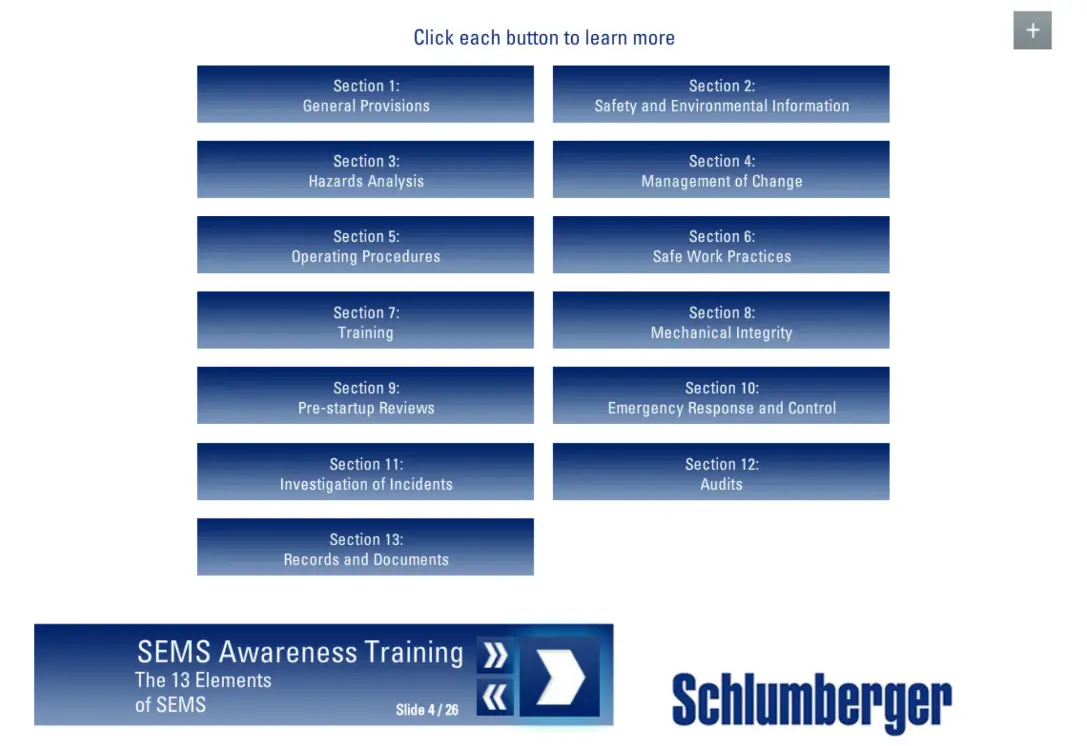 Basic level of custom e-learning visual design | 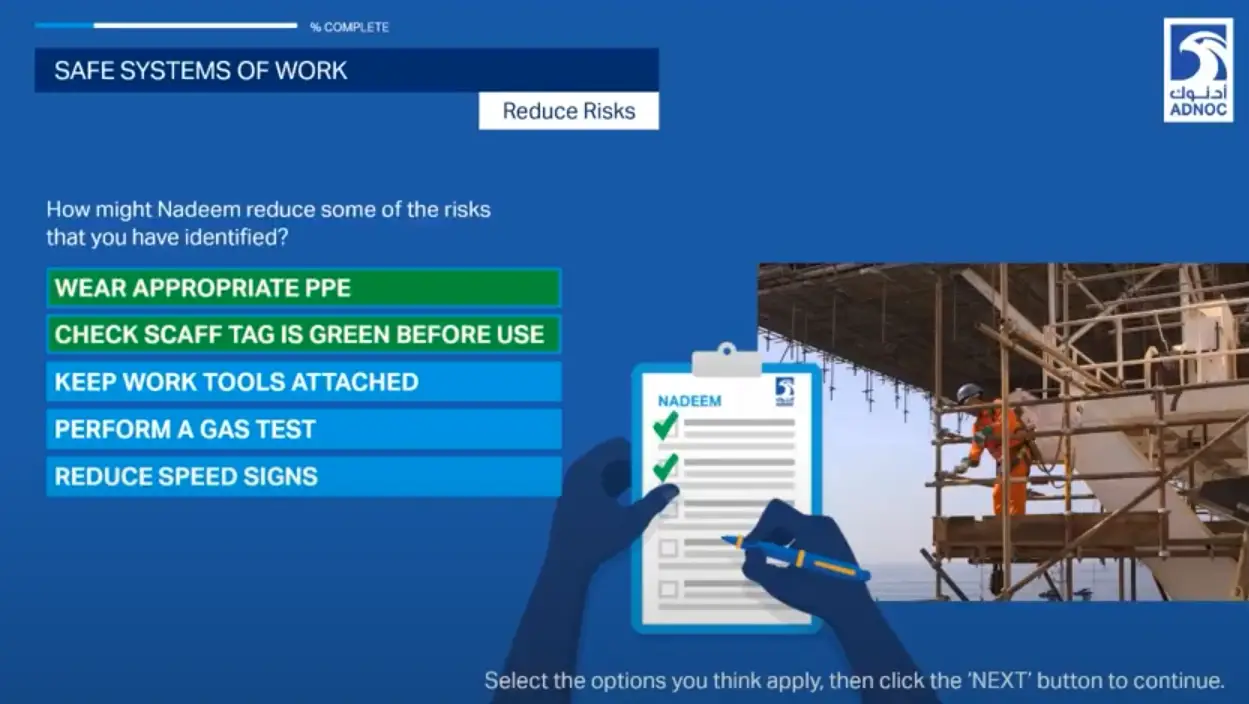 Higher level of custom visual design and branding for e-learning |
Existing e-Learning Content Readiness and Copy Availability
One of the strongest influences on the cost of e-learning is whether clear and complete source material already exists. When a client provides organised content, defined learning objectives, and an approved script, the team can move directly into visual planning and interactive design. When little or no material is available, the provider must extract knowledge from internal experts, structure the flow, and write accurate training content from the ground up.
This requires research, validation, and multiple approval rounds, all of which add hours. Clear starting information keeps the e-learning cost lower. Projects that begin with minimal content naturally require more writing, coordination, and review, which increases both scope and budget.
Frequency of Interactive Elements
The number of interactions included in a module directly affects the overall e-learning cost. Simple interactions such as labelled images or light knowledge checks require limited design and development time. More advanced interactions such as branching scenarios, procedural tasks, or guided decision steps require more detailed planning, scripting, and repeated testing to ensure clarity and accuracy.
High interaction density also expands the quality assurance phase because more features must be tested on multiple devices. When organisations want a highly engaging experience, this can become a significant cost driver for e-learning.
Language Requirements
Translation can also influence the cost of e-learning, especially when a module is intended for a global workforce. Each language requires careful adaptation, not simple word substitution. Terminology and context must remain accurate.
After translation, e-learning providers need to integrate new text, update layouts, and correct spacing changes created by different word lengths. If narration is included, each language requires its own voice recordings, timing checks, and final editing.Every language also needs full testing to ensure correct text display and scoring behaviour.
A single language keeps the e-learning cost lower. Adding multiple languages can multiply the workload and affect how much the e-learning would cost for your organization.
Types of Interactive Media Included
The type of media included in a project is a major factor in determining the cost of e-learning. Basic images and icons are straightforward and remain affordable. Custom illustrations require more design time, and recorded videos require filming, editing, and integration.
Advanced assets such as animated sequences or 3D models require specialized skills and longer production cycles. Even a short 3D animated piece needs storyboarding, modelling or illustration, timing adjustments, and rendering.
Though this technically isn’t standard in most e-learning, premium e-learning providers like SHIIFT have a multi-disciplined talent team that can incorporate 3D animation segments into your e-learning to further increase interactivity.
Animated or 3D e-learning assets require specialized skills and long production cycles. Even simple animated movements require careful planning and refinement. Realistic sequences require modelling, texturing, lighting, and full rendering, all of which add hours to the project.
When animations demonstrate a procedure or represent equipment, accuracy becomes critical, which expands the review process. Custom 3D e-learning content often requires revisions to match client equipment, safety rules, or physical layouts. These bespoke assets significantly raise the cost of the e-learning compared with 2D visuals.
When a project relies heavily on custom media, each asset must be created, reviewed, adjusted, and tested inside the module. As media complexity increases, the custom e-learning cost rises accordingly.
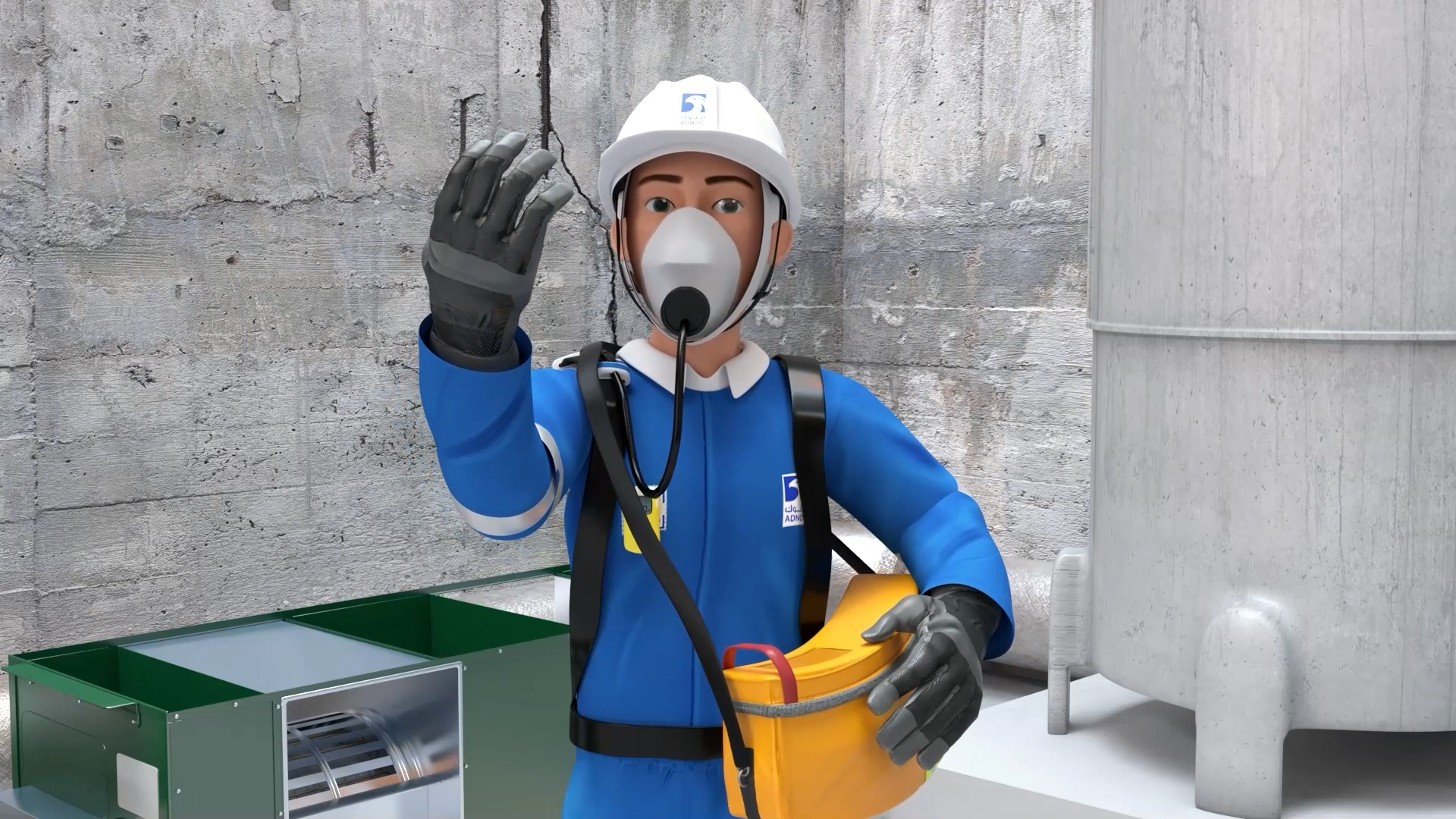
We created a 3D animated video for a H2S module in ADNOC’s elearning course
Module Length and Total Module Count
Longer modules increase the cost of e-learning because more content needs to be written, designed, illustrated, and tested. Additional minutes of learning require more screens, more visuals, and often more interactions. The total count of modules also has a strong compounding effect.
Even shorter modules add up when produced in large numbers because planning, design, and review cycles repeat for each one. Multi module training programs often require consistent visual standards and uniform navigation rules, which adds setup work at the beginning of the project.
While shared templates can provide efficiency, the total production time still scales with volume. As a result, the number of modules and their length remain core contributors to overall e-learning creation cost.
Content Creation Requirements
When the provider must create training content from scratch, one of the strongest cost factors appears. Defining learning objectives, extracting accurate information, writing instructional text, and shaping scenarios all require focused work.
Technical subjects may need extra time to understand processes and terminology. All written content must be validated by internal experts, which often leads to extended review cycles.
If the project includes worked examples, situational explanations, or applied scenarios, the writing phase becomes even larger. Projects with detailed source materials avoid much of this workload, while projects that begin with limited information require substantial writing and approval time.
Assessment and Quiz Complexity
Assessment design also affects the cost of e-learning. Simple questions such as multiple choice or basic matching remain inexpensive because they require minimal scripting. More advanced assessments, such as scenario based judgement tasks or adaptive question paths, require detailed planning and increased technical setup.
Each question may require variations in feedback, alternate scoring logic, and additional testing to ensure accurate performance tracking. Large assessments with many questions also increase writing, editing, and validation time.
When assessments are advanced and tied to behavioural measurement or scenario based decision making, they can affect how much the training might cost.
Audio Narration Requirements
Audio narration adds several stages to production and therefore increases the cost for e-learning production. Scripts must be timed precisely to match visuals. Voice artists must be selected and recorded, and the resulting audio requires editing, cleaning, and integration into the module. If any content changes occur after recording, new sessions may be required.
Multi language narration multiplies the effort because each version requires its own recording and alignment work. If narration is not required the module remains more cost efficient. When narration plays a central role in the training experience, it becomes a notable part of the cost of e-learning, especially if you’re looking for a premium voice actor, though nowadays, using AI tools like ElevenLabs can significantly reduce the cost for narration in e-learning, while only slightly lowering the quality and feel of the narration.
How Much Does SHIIFT E-learning Cost?
At SHIIFT, our training solutions are fully custom, and we have teams available to work on 3D animation, 2D animation, and e-learning development. Since every scope is different, it’s easier to calculate the development cost per module and come up with a total cost based on number of required modules in each specific tier of e-learning.
We offer 3 tiers of e-learning:
Basic e-learning
They are clear, functional, and well-structured, but limited in media and engagement. This level is most suited for compliance or foundation content where straightforward delivery is enough.
Cost: ~$15,000+ per module of around 25 minutes
- Static diagrams and screenshots
- AI voiceover
- No animations
- Simple assessments at the end of each module
Standard e-learning
They are more engaging and better suited to explaining processes where movement or step-by-step illustration improves understanding.
Cost: ~$20,000+ per module of around 25 minutes
- Real voiceover narration
- 2D motion graphics and animated diagrams
- Interactive knowledge checks throughout the module, with a full assessment at the end
- Clearer presentation of systems and workflows than Basic
Premium e-learning
Premium modules use 3D animation and scenario-based interactivity to explain complex systems or safety-critical processes.
Cost: ~$30,000+ per module of around 25 minutes
- Real voiceover narration
- 3D visualizations of equipment and processes
- Scenario-based interactivity with decision points
- Advanced use of audio, text, and graphics together
- Best suited for critical content where deeper learner understanding is required
With this in mind, you might go for the basic tier if you’re aiming to save on initial costs, or you could also have a combination of the different tiers if you need multiple modules. If you need a lot of modules, buying in bulk can also reduce costs which will affect your overall decision.
If you’re interested in learning more about how your specific custom e-learning might cost, give us all the details by contacting us here or email us at hello@shiifttraining.com and we’ll work together to give you a detailed quote.